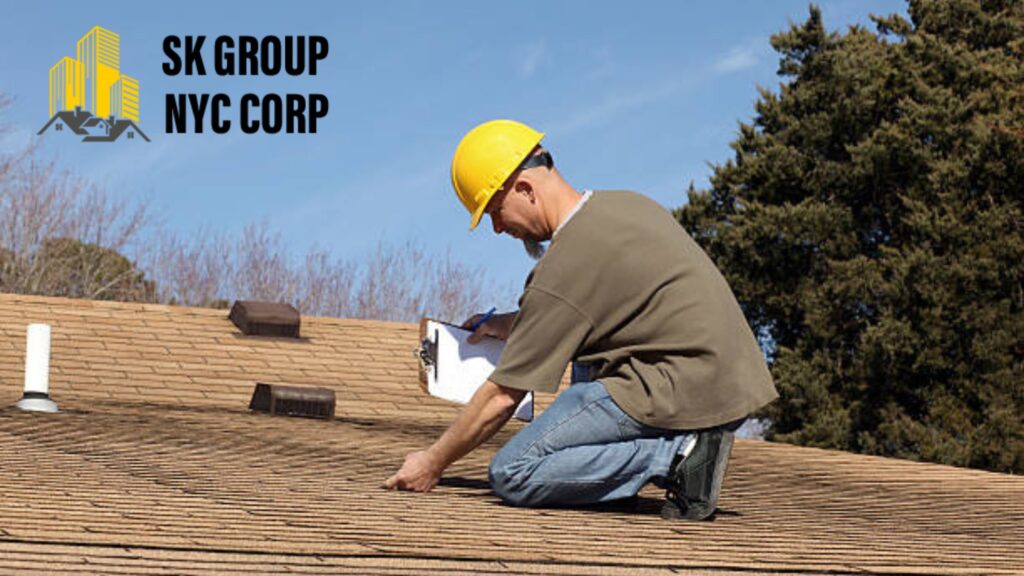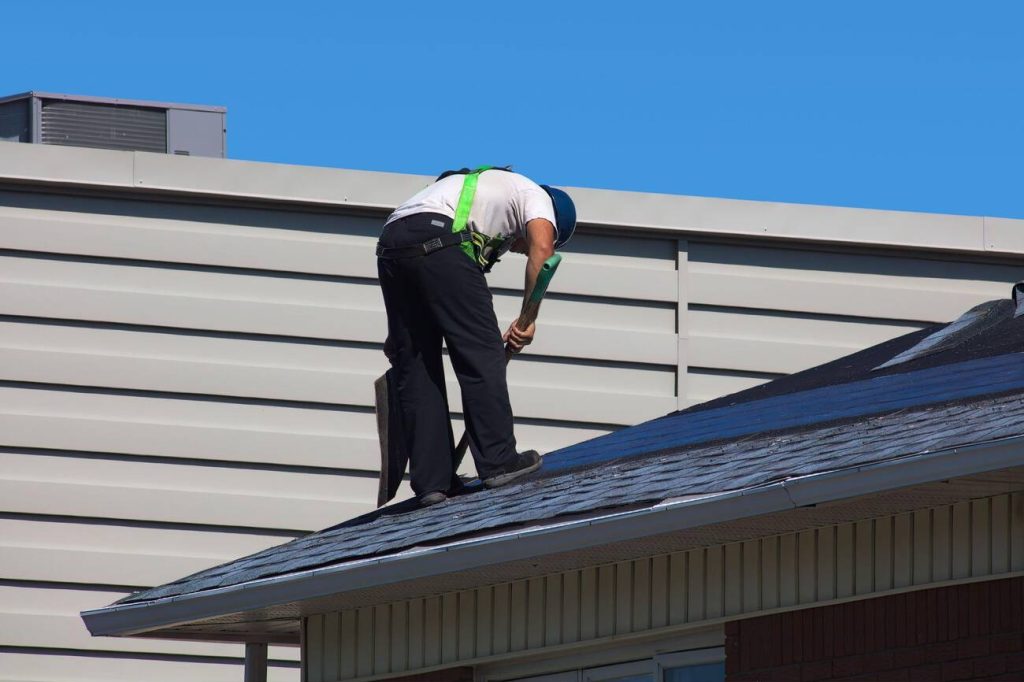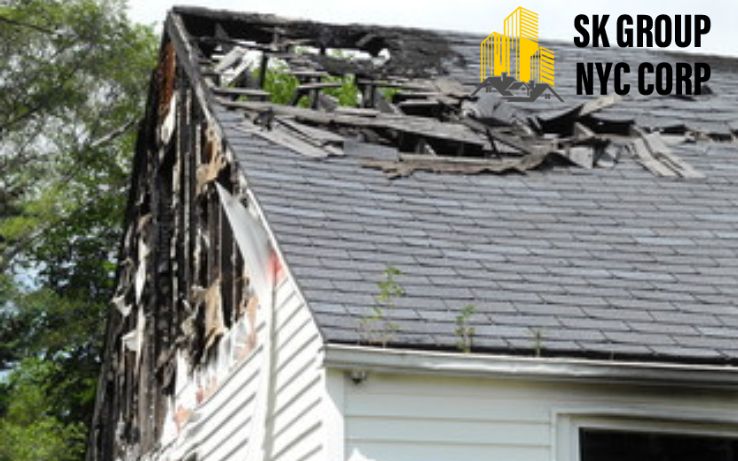
Roof damage is one of the most overlooked problems in any home, yet it can lead to some of the most expensive repairs if ignored. Many homeowners assume that a small leak or a few missing shingles are not serious, but in reality, even minor roof damage can quickly turn into a major structural issue.
Your roof is your home’s first line of defense against rain, heat, wind, and storms. When roof damage starts, it slowly weakens this protection layer, allowing moisture, mold, and structural deterioration to spread. The worst part? Most signs of roof damage are visible early—but people ignore them.
In this complete guide, you will learn how to identify roof damage, understand its causes, fix it quickly, and prevent it from happening again. This blog is designed to help you save money, protect your property, and make smart decisions.
What is Roof Damage?
This refers to any issue, wear, or structural problem that affects the strength, performance, and lifespan of the top covering of a building. When this layer is compromised, it can no longer fully protect your home from elements like rain, heat, wind, and dust. What may begin as a minor issue can quickly develop into a serious and costly problem if left unattended.
In simple terms, it means the top structure of your home is no longer functioning as it should. You might notice cracks, leaks, broken materials, or even hidden structural weaknesses. Since this layer serves as the primary shield for your home, any issue with it can directly impact your safety, comfort, and overall living conditions.
Types of Roof Damage
Understanding the different types of roof damage is important because each type affects your roof in a different way and requires a specific solution. Roof damage is not always visible on the surface—some issues develop internally and become serious over time. Below is a detailed explanation of the major types of roof damage.
1. Surface Roof Damage
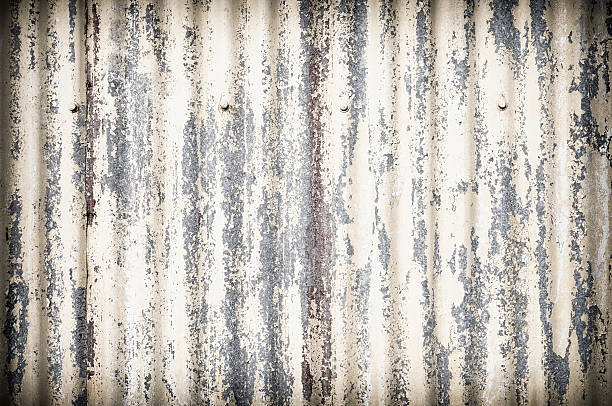
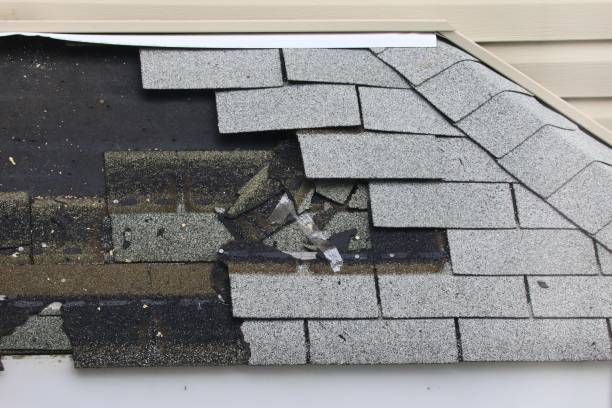
Surface roof damage is the most common and visible type of roof damage. It affects the outer layer of the roof, such as shingles, tiles, or metal sheets. This type of damage usually occurs due to constant exposure to sunlight, rain, wind, and dust.
Over time, roofing materials start to crack, fade, curl, or break. You may notice missing shingles or worn-out areas on your roof. Although surface roof damage may look minor, it can quickly lead to deeper problems if not repaired. Once the outer layer is weakened, water can easily enter and cause internal damage.
2. Water Roof Damage
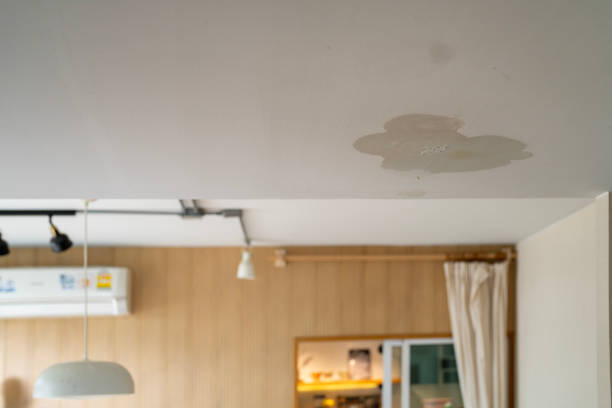
Water roof damage is one of the most serious forms of roof damage because it spreads quickly and affects both the roof and the interior of your home. It usually starts with small leaks caused by cracks, broken shingles, or poor sealing.
When water enters the roof, it can soak into wooden structures, insulation, and ceilings. This leads to water stains, dampness, and mold growth. Over time, water roof damage weakens the entire roofing system and may cause structural failure if ignored. This type of damage is often hidden and becomes visible only when the problem has grown.
3. Structural Roof Damage
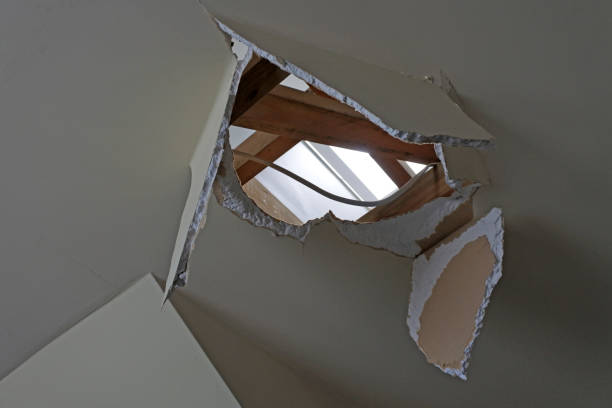
Structural roof damage is a severe type of roof damage that affects the internal framework of the roof. This includes beams, supports, and the overall shape of the roof.
It is usually caused by long-term water exposure, heavy loads, poor construction, or aging materials. Signs of structural roof damage include sagging areas, uneven surfaces, or cracks in the roof structure. This type of damage is dangerous because it can lead to partial or complete roof collapse if not repaired immediately.
4. Weather Roof Damage
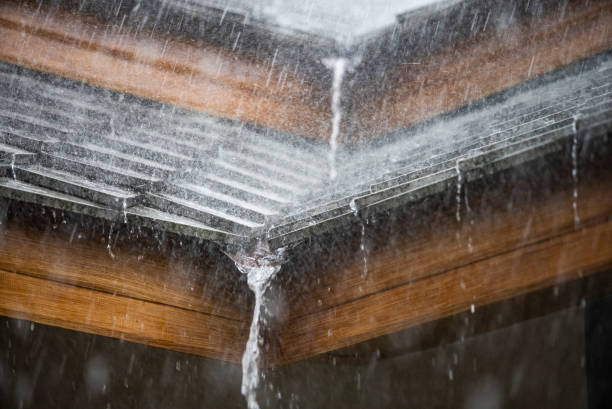
Weather-related roof damage occurs due to extreme environmental conditions such as heavy rain, storms, strong winds, hail, or intense heat. This type of roof damage is very common and can happen suddenly.
Strong winds can lift or remove shingles, while heavy rain can cause leaks and water buildup. Heat can make materials expand and crack over time. Weather roof damage weakens the protective layer of the roof and increases the chances of further damage.
5. Mold and Biological Roof Damage
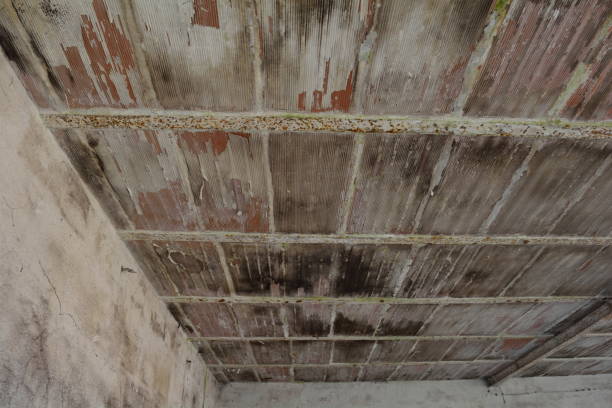
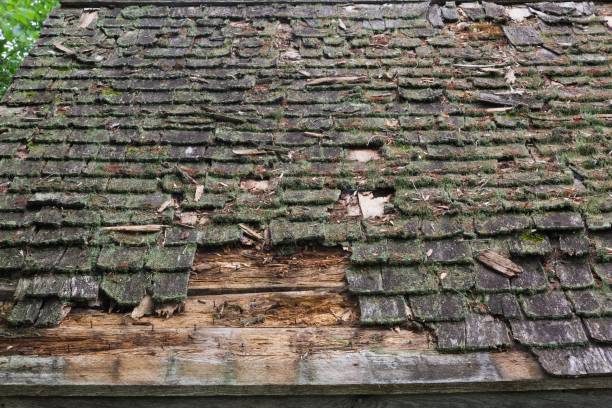
This type of roof damage occurs when moisture remains trapped in the roof for a long time. It leads to the growth of mold, mildew, algae, or moss.
Mold not only damages roofing materials but also affects indoor air quality and health. It can spread quickly and weaken wooden parts of the roof. Biological roof damage is often a result of poor ventilation and untreated water leaks.
6. Flashing Damage
Flashing is the thin material used to seal joints and edges of the roof, such as around chimneys, vents, and skylights. When flashing is damaged or improperly installed, it becomes a major source of roof damage.
Cracked or loose flashing allows water to enter easily, leading to leaks and internal damage. This type of damage is often overlooked but plays a critical role in roof protection.
7. Age-Related Roof Damage
All roofs have a limited lifespan, and aging naturally leads to roof damage. Over time, materials lose their strength, flexibility, and resistance to weather conditions.
Old roofs are more likely to develop cracks, leaks, and structural weaknesses. Even without external damage, aging alone can reduce the effectiveness of a roof, making regular inspection and timely replacement necessary.
Warning Signs :
Understanding early warning signs of roof damage is very important because it helps homeowners identify problems before they become expensive or dangerous. Roof damage usually develops slowly, and the signs often appear inside the home before the actual roof problem becomes visible. Below is a detailed explanation of each warning sign in a clear theoretical way.
1. Water Stains on Ceilings and Walls
Water stains on ceilings or walls are one of the most common early indicators of roof damage. These stains usually appear as yellow, brown, or dark patches and may slowly spread over time.
This happens when rainwater enters through small cracks, damaged shingles, or weak sealing in the roof. The water travels through the roofing layers and eventually reaches the ceiling or walls inside the house. Even a small stain indicates that moisture is already entering the structure, which means the roof is no longer fully waterproof.
If this sign is ignored, the trapped moisture can weaken building materials, damage paint, and create long-term structural issues. That is why water stains should always be treated as a serious warning of roof damage.
2. Missing, Cracked, or Curling Shingles
Shingles are the outer protective layer of most roofs, designed to shield the structure from sun, rain, and wind.
This condition usually develops due to aging, extreme weather exposure, or poor installation. Once shingles are damaged, the protective barrier of the roof becomes weak. This exposes the underlying layers to direct sunlight and moisture, increasing the risk of leaks and internal deterioration.
Over time, untreated shingle damage allows water to enter deeper layers of the roof, leading to more serious structural problems. Therefore, damaged shingles should never be ignored.
3. Roof Leaks During Rain
Roof leaks are one of the most obvious signs of advanced roof damage. When water starts dripping inside the home during rain, it means the roof has already lost its protective strength.
Leaks occur when water finds a direct path through cracks, broken shingles, or damaged flashing. Unlike early-stage damage, leaks indicate that the problem has already reached inside the roofing system.
This type of roof damage is dangerous because continuous water entry can weaken wooden structures, damage ceilings, and even affect electrical systems. Over time, small leaks can turn into major repair issues if not fixed immediately.
4. Mold, Mildew, or Moss Growth
The presence of mold, mildew, or moss is another important sign of this issue , especially related to moisture retention. These biological growths usually appear in areas where water has been trapped for a long time.
When moisture enters the roof and does not dry properly due to poor ventilation or drainage, it creates a perfect environment for mold growth. This not only damages roofing materials but also spreads to interior walls and ceilings.
Mold growth is also a health concern because it can affect air quality inside the home. Its presence clearly indicates that roof damage has been present for some time and needs immediate attention.
5. Sagging Roof Structure
A sagging roof is a serious and dangerous form of roof damage that indicates structural weakness. It usually appears as a visible dip or uneven surface in the roof line.
This condition develops when the internal support system of the roof is weakened due to long-term water damage, excessive weight, or aging materials. As the structural components lose strength, they are no longer able to support the roof properly.
Sagging is not just a cosmetic issue—it is a sign of potential structural failure. If ignored, it can lead to partial or complete roof collapse, making it one of the most critical forms of roof damage.
6.Sudden Increase in Energy Bills
If your energy bills are rising without a clear reason, it could mean your home is losing insulation efficiency. Cracks or worn areas allow air to escape, forcing heating and cooling systems to work harder. This leads to higher energy use and increased costs—an early sign that inspection and repairs may be needed.
Common Causes of Roof Problems
1. Severe Weather Conditions
Heavy rain, strong winds, hail, snow, and storms can loosen roofing materials, break shingles, and create leaks. Over time, repeated exposure to harsh weather gradually weakens the overall structure, making it less reliable and more prone to damage.
2. Aging and Natural Wear
Every roofing material has a limited lifespan. As it gets older, it starts to lose strength, becomes brittle, and develops cracks. This natural aging process reduces its ability to protect your home effectively.
3. Poor Installation
If the roof is not installed correctly, it can create weak points, uneven surfaces, and gaps. These issues often lead to early failures and repeated repair needs, even when minor fixes are made.
4. Lack of Maintenance
When regular inspections and maintenance are ignored, small issues like loose materials or minor cracks can grow into serious damage. Routine care is important to keep the roof strong and long-lasting.
5. Water Accumulation (Pooling Water)
Standing water, especially on flat surfaces, slowly seeps into materials. This can lead to rot, mold growth, and long-term structural weakening if not properly drained.
6. Tree and Debris Damage
Overhanging branches can scratch or damage the surface, while falling limbs may cause sudden impact damage. Leaves and debris can also block drainage systems, trapping moisture and increasing the risk of leaks.
7. Poor Ventilation
Poor airflow traps heat and moisture inside the structure. This can lead to warping, mold growth, and internal weakening that often goes unnoticed until it becomes severe.
8. Clogged Gutters
When gutters are blocked, water cannot drain properly. Instead, it backs up and seeps into vulnerable areas, causing leaks, stains, and internal damage over time.
9. Pest and Animal Activity
Birds, rodents, and insects can create small openings or nests in roofing materials. These entry points allow moisture inside and gradually weaken the structure.
10. Sun Exposure and UV Rays
Continuous exposure to sunlight and UV rays dries out materials, causing them to crack, fade, and lose flexibility. Over time, this reduces the overall lifespan and durability of the roof.
How to Fix Roof Damage (Step-by-Step Guide)
Fixing roof damage depends on its severity. Here are the most effective solutions:
1. Fix Small Cracks and Leaks
Minor roof damage can be repaired using sealants or patching materials. This prevents water from entering.
2. Replace Damaged Shingles
If shingles are broken or missing, replacing them is essential to stop further roof damage.
3. Clean and Repair Gutters
Blocked gutters cause water buildup, leading to roof damage. Regular cleaning helps maintain proper drainage.
4. Waterproofing
Applying waterproof coatings protects your roof from future roof damage and increases durability.
5. Hire a Professional
For serious roof damage, always hire experts. They can identify hidden problems and provide long-term solutions.
Cost of Roof Damage Repairs
The cost of repairing roof damage varies depending on:
- Type of damage
- Roof size
- Material used
- Labor charges
Minor repairs are affordable, but major roof damage can cost significantly more. Early detection saves money.
How to Prevent Roof Damage
Prevention is always better than repair. Here are expert tips:
1. Regular Roof Inspection
Check your roof at least twice a year to detect early roof damage.
2. Clean Debris and Gutters
Remove leaves, dust, and debris to prevent water blockage.
3. Fix Small Issues Immediately
Never ignore minor roof damage—it can grow quickly.
4. Use Quality Materials
High-quality materials last longer and resist roof damage better.
5. Schedule Professional Maintenance
Experts can detect issues you might miss.
Why You Should Act Fast on Roof Damage
Delaying repairs can lead to:
- Structural damage
- Mold growth
- High repair costs
- Health risks
- Property value loss
FAQ’s
What are the early signs of roof damage?
Early signs include water stains on ceilings, missing shingles, small leaks, and mold growth. These signs show that your roof may be weakening.
What causes roof damage the most?
The most common causes are heavy rain, strong winds, poor installation, lack of maintenance, and aging roofing materials.
Can roof damage be repaired easily?
Yes, minor roof damage like small leaks or broken shingles can be repaired easily, but severe structural damage may require professional help.
Does insurance cover roof damage?
In many cases, homeowner’s insurance covers roof damage caused by sudden events like storms, but it usually doesn’t cover damage from neglect or normal wear.
Can roof damage be repaired, or does it need replacement?
Minor damage can usually be repaired, but if the roof is old or has widespread damage, a full replacement may be more cost-effective.
Conclusion
A roof problem often begins quietly and goes unnoticed, but over time it can develop into serious and expensive damage if it is not addressed early. What may seem like a small issue at first can slowly weaken the structure of your home and lead to major repair costs in the future.
The important thing is to stay alert and take preventive action. Regular inspection and timely maintenance help you catch issues before they become severe. When you understand the early warning signs and respond quickly, you can avoid unnecessary stress, protect your investment, and extend the life of your roof.
In the end, a strong and well-maintained roof is more than just protection—it gives you peace of mind, safety, and comfort for years to come.
.
Have Questions? Call Us Now!
+1 (718) 507-7000
We’re here to help quick answers, friendly service, anytime you need!
Contact SK Group NYC
🌐 Website: www.skgroupnyccorp.com
📍 Serving: Manhattan, Brooklyn, Queens, The Bronx, and Staten Island
📍 Address: 87-88 172nd St, Jamaica, New York, NY, United States, New York