A roof is one of the most important protective systems of any building, and choosing the right material can determine how well it handles rain, temperature changes, and long-term wear. Rubber roofing is a popular solution for flat and low-slope roofs because it provides a flexible, waterproof barrier that can withstand harsh weather conditions while requiring relatively low maintenance.
Most rubber roofing systems use EPDM (ethylene propylene diene monomer), a synthetic rubber membrane known for durability, flexibility, and resistance to UV exposure. It is widely used on residential extensions, commercial buildings, garages, and flat roof structures where reliable waterproofing is essential.
This guide explains what rubber roofing is, the different types of rubber roof materials, installation methods, costs, lifespan, benefits, common problems, and maintenance tips to help property owners make an informed decision.
What Is Rubber Roofing?
Rubber roofing is a roofing system made from synthetic rubber membranes designed to protect flat and low-slope roofs from water damage. Unlike traditional roofing materials that can become brittle or crack with temperature changes, rubber membranes are flexible and expand and contract with the building.
The most common rubber roofing material is EPDM rubber roofing, which is manufactured in large sheets and installed over a roof deck to create a continuous waterproof layer.
Rubber roofing is commonly used for:
- Flat residential roofs
- Commercial buildings
- Apartment buildings
- Garages and additions
- Industrial structures
- Low-slope roof systems
A properly installed rubber roof membrane helps prevent water infiltration, protects insulation and roof decking, and extends the overall life of the roofing system.
Types of Rubber Roofing Materials
Different rubber roofing systems are designed for different applications. The best option depends on roof size, building type, climate, budget, and expected performance.
EPDM Rubber Roofing
EPDM is the most common type of rubber membrane roofing used today. It is made from synthetic rubber and has been used for decades because of its proven durability.
EPDM roofing systems are available in different thicknesses, commonly including:
- 45 mil EPDM – suitable for lighter applications
- 60 mil EPDM – one of the most common choices for residential and commercial roofs
- 90 mil EPDM – heavier-duty option for demanding applications
Benefits of EPDM include:
- Excellent flexibility
- Strong resistance to weather exposure
- Long service life
- Low maintenance requirements
- Compatibility with many flat roof designs
Because EPDM comes in large sheets, it can reduce the number of seams compared with smaller roofing materials. However, proper seam sealing and flashing installation remain critical.
Liquid Rubber Roofing
Liquid rubber coatings are applied directly over existing roof surfaces to create a waterproof layer.
They are commonly used for:
- Roof restoration projects
- Minor waterproofing improvements
- Extending the life of existing roofing systems
However, liquid coatings are not a solution for every roofing problem. If a roof has structural damage, wet insulation, or severe membrane failure, the underlying issue must be repaired first.
Rubber Modified Roofing Systems
Some roofing products combine rubber polymers with asphalt-based materials to improve flexibility and weather resistance.
These systems can provide:
- Better movement resistance
- Improved durability compared with traditional asphalt
- Additional waterproofing protection
The correct material choice depends on the roof design and performance requirements.
Benefits of Rubber Roofing for Flat Roofs
Flat roofs require effective waterproofing because water drains more slowly compared with steep-slope roofs. This makes choosing a durable membrane system especially important.
1. Excellent Waterproof Protection
One of the biggest advantages of rubber roofing is its ability to create a reliable moisture barrier.
A properly installed rubber roof membrane protects against:
- Rain
- Snow
- Moisture buildup
- Temperature changes
- UV exposure
However, waterproof performance depends on installation quality. Poor flashing, damaged seams, or drainage issues can still cause leaks.
2. Long Rubber Roof Lifespan
A properly installed EPDM roof can often last 25 to 30 years or longer with regular maintenance.
The actual rubber roof lifespan depends on:
- Installation quality
- Roof drainage
- Weather exposure
- Maintenance schedule
- Foot traffic
- Material thickness
A well-maintained roof will generally outperform a neglected system.
3. Flexible and Weather Resistant
Buildings naturally move because of temperature changes and structural expansion. Rigid roofing materials may crack under repeated stress.
Rubber membranes remain flexible, allowing them to handle expansion and contraction without easily breaking.
4. Low Maintenance Requirements
Compared with many other roofing materials, rubber roofing requires relatively simple maintenance.
Routine care includes:
- Cleaning debris
- Checking seams
- Inspecting flashing
- Clearing drains
- Repairing small damage early
Preventive maintenance can help avoid expensive rubber roof repair later.
5. Suitable for Residential and Commercial Buildings
Rubber roofing works well for many property types, including:
- Homes with flat additions
- Commercial buildings
- Multi-family properties
- Warehouses
- Office buildings
Its versatility makes it one of the most widely used flat roofing systems.
Rubber Roofing Pros and Cons
Before choosing any roofing system, property owners should understand both advantages and limitations.
Advantages of Rubber Roofing
✔ Long service life
✔ Excellent waterproof protection
✔ Flexible during temperature changes
✔ Low maintenance needs
✔ Suitable for flat roofs
✔ Resistant to UV exposure
✔ Lightweight compared with some roofing materials
Disadvantages of Rubber Roofing
✘ Can be damaged by sharp objects
✘ Poor installation can cause leaks
✘ Visible seams require proper sealing
✘ Dark EPDM membranes can absorb heat
✘ Requires professional detailing around edges and penetrations
Understanding these factors helps property owners decide whether rubber roofing is the right choice for their building.
Rubber Roofing Cost: Factors That Affect Pricing
The cost of rubber roof depends on several factors. There is no single price because every roof has different conditions.
Important pricing factors include:
| Cost Factor | Impact on Project |
|---|---|
| Roof size | Larger roofs require more material and labor |
| EPDM thickness | Thicker membranes usually cost more |
| Existing roof condition | Damaged decking or insulation increases cost |
| Installation method | Fully adhered systems may require additional labor |
| Roof accessibility | Difficult access can increase labor expenses |
| Flashing and drainage repairs | Additional work affects final pricing |
Other costs may include:
- Removal of old roofing
- Disposal of damaged materials
- Roof deck repairs
- Waterproofing upgrades
- Edge detailing
- Drain improvements
The most accurate way to estimate rubber roofing cost is through an inspection because hidden moisture damage is not always visible from the surface.
Rubber Roof Installation Process
A successful rubber roof installation depends on proper preparation, correct installation methods, and attention to waterproofing details. Even high-quality EPDM materials can fail if seams, flashing, or roof preparation are handled incorrectly.
Step 1: Roof Inspection and Preparation
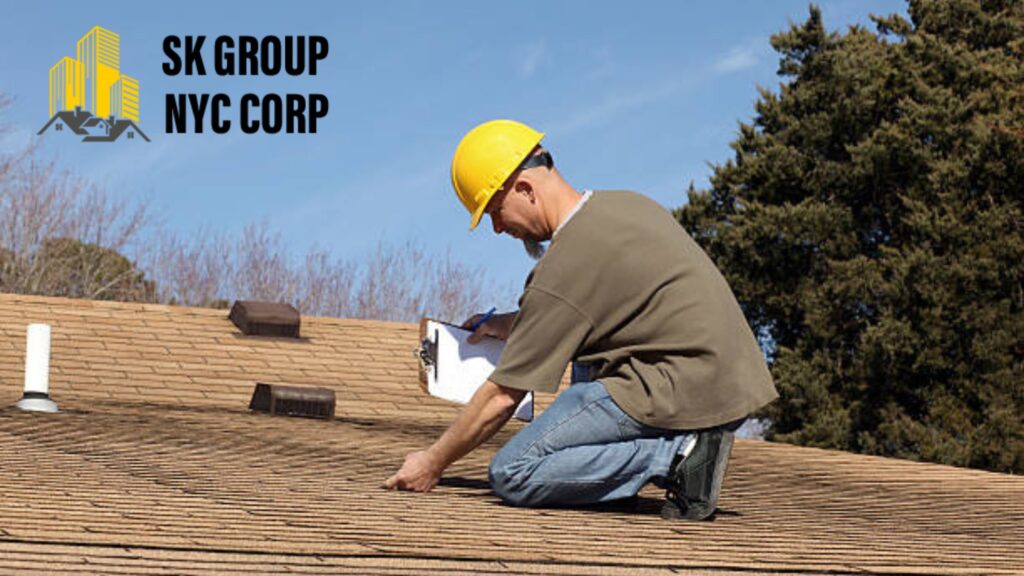
Before installation, contractors inspect the roof deck, drainage areas, flashing, and existing damage. Any moisture issues or structural problems should be repaired before installing the rubber roof membrane.
The surface must be clean, dry, smooth, and free from debris that could damage the membrane.
Step 2: Installing the EPDM Membrane
The EPDM membrane is installed over the prepared roof surface using methods such as fully adhered, mechanically attached, or ballasted systems. The right method depends on the roof design, building conditions, and performance requirements.
Step 3: Sealing Seams and Flashing
Proper sealing around seams, roof edges, vents, pipes, and drains is essential to prevent leaks. Many rubber roofing failures occur because of poor flashing, weak seams, or drainage issues rather than the membrane itself.
Professional installation helps maximize rubber roof lifespan and provides long-term waterproof protection.
How Long Does EPDM Rubber Roofing Last?
EPDM rubber roofing is known for durability and long performance.
A quality installation can last:
25–30 years or more with proper maintenance.
Factors that shorten lifespan include:
- Lack of inspections
- Standing water
- Physical damage
- Poor installation
- Failed flashing
Regular inspections help identify problems before they become major repairs.
Rubber Roofing Maintenance and Repair Tips
Regular rubber roof maintenance helps protect your investment.
Property owners should inspect:
- Membrane surface
- Seams
- Flashing
- Roof edges
- Drainage areas
- Penetrations
Common Rubber Roof Problems
- Punctures: Sharp objects, tools, or heavy foot traffic can damage the membrane.
- Seam Failures: Poorly sealed seams may allow moisture underneath the roofing system.
- Ponding Water: Standing water may indicate drainage problems.
- Shrinking or Loose Membrane: Aging or installation issues can cause movement or separation.
- Damaged Flashing: Failed flashing is one of the most common causes of roof leaks.
Professional inspection is recommended when leaks continue or visible damage appears.
SK Group NYC Corp helps property owners with roofing inspections, waterproofing solutions, rubber roof repair, and flat roof maintenance to identify problems early and protect buildings from moisture damage.
Rubber Roofing vs Other Roofing Materials
| Roofing Material | Lifespan | Cost Level | Best Use |
|---|---|---|---|
| EPDM Rubber Roofing | 25–30+ years | Moderate | Flat and low-slope roofs |
| TPO Roofing | 20–30 years | Moderate | Commercial flat roofs |
| Modified Bitumen | 15–25 years | Moderate | Low-slope buildings |
| Asphalt Shingles | 15–30 years | Low to Moderate | Sloped residential roofs |
Rubber roofing is especially valuable for flat roofs because of its flexibility, waterproofing ability, and maintenance advantages.
Frequently Asked Questions
Is rubber roofing good for flat roofs?
Yes. Rubber roofing is one of the most popular choices for flat roofs because it creates a flexible waterproof barrier that handles temperature changes and weather exposure.
What is the best rubber roofing material?
EPDM is considered one of the most reliable rubber roofing materials because of its durability, flexibility, and long history of performance.
How long does an EPDM rubber roof last?
A properly installed EPDM roof typically lasts 25–30 years or longer depending on maintenance, climate, installation quality, and roof conditions.
Can rubber roofing be repaired?
Yes. Small punctures, seam issues, and flashing problems can often be repaired if they are addressed early.
Is rubber roofing expensive?
Rubber roofing cost varies depending on roof size, material thickness, installation complexity, and repair needs. It is generally considered a cost-effective option for flat roofing systems.
Final Thoughts
Rubber roofing is a durable, flexible, and practical solution for many flat and low-slope roofs. EPDM rubber roofing provides strong waterproof protection while offering a long lifespan when installed and maintained correctly.
The most important factors for long-term performance are quality materials, proper installation, regular inspections, and timely repairs. Small issues such as damaged seams, loose flashing, or drainage problems should be addressed before they develop into major roof failures.
For homeowners and property managers considering a new roof system or needing professional evaluation, choosing an experienced roofing contractor can help ensure the rubber roof performs reliably for many years.