A small water stain on a ceiling may look like a minor household issue, but it can often indicate a much larger roofing problem developing above. After a heavy storm, many homeowners notice signs such as dripping water, damp insulation, peeling paint, or dark spots on ceilings and assume the visible damage is the main problem. In reality, the actual source of the leak may be several feet away, caused by damaged flashing, deteriorated shingles, blocked drainage, or a failing roofing membrane.
Roof leak repair is not simply about sealing where water appears inside a building. A proper repair process involves identifying the source of water intrusion, evaluating the condition of the roofing system, and restoring the damaged components to prevent future problems.
For properties in areas like New York City, roofs face additional challenges throughout the year, including freeze-thaw cycles, heavy rainfall, snow accumulation, strong winds, and rooftop equipment installations. These conditions can accelerate wear and create vulnerable points where water enters.
This guide explains the most common causes of roof leaks, how professionals diagnose problems, repair options, cost factors, and practical ways homeowners can protect their properties.
Roof Leak Repair: Understanding the Causes and Solutions
A roofing system works as a complete protective structure made up of multiple components, including roofing materials, underlayment, flashing, drainage systems, and the roof deck. When one part fails, moisture can travel through hidden areas before becoming visible inside the property.
Effective roof leak repair starts by identifying the reason the leak occurred rather than only treating the visible symptom.
Common Causes of Roof Leaks
Damaged or Missing Shingles
Asphalt shingles are one of the most common roofing materials used on residential properties. They protect the roof deck from rain, wind, and UV exposure. However, shingles can become damaged due to storms, aging, poor installation, or physical impact.
Common signs of damaged shingles include:
- Missing shingles after strong winds
- Curling or cracked edges
- Excess granules collecting in gutters
- Exposed areas of the roof deck
- Uneven roof surfaces
When shingles lose their protective ability, water can reach the underlayment and eventually enter the structure.
Failed Roof Flashing
Flashing is one of the most important waterproofing components of a roof. It protects areas where roofing materials meet vertical surfaces or openings, such as:
- Chimneys
- Skylights
- Roof vents
- Exterior walls
- Pipe penetrations
Over time, flashing can loosen, corrode, or develop gaps due to temperature movement. Many roof leaks begin around these transition points rather than the main roof surface.
Roof Drainage Problems
Proper drainage prevents water from remaining on the roof for extended periods. When gutters, drains, or scuppers become blocked, water can accumulate and increase stress on roofing materials.
This is especially important for flat roofs, where ponding water can damage membrane systems and create leaks around seams and penetrations.
Aging Roofing Systems
Every roofing system has a service life. As materials age, they become less resistant to weather exposure. Sealants may crack, membranes may weaken, and protective surfaces may deteriorate.
An older roof does not always require replacement immediately, but regular inspections can help determine whether repairs are sufficient or whether larger improvements are needed.
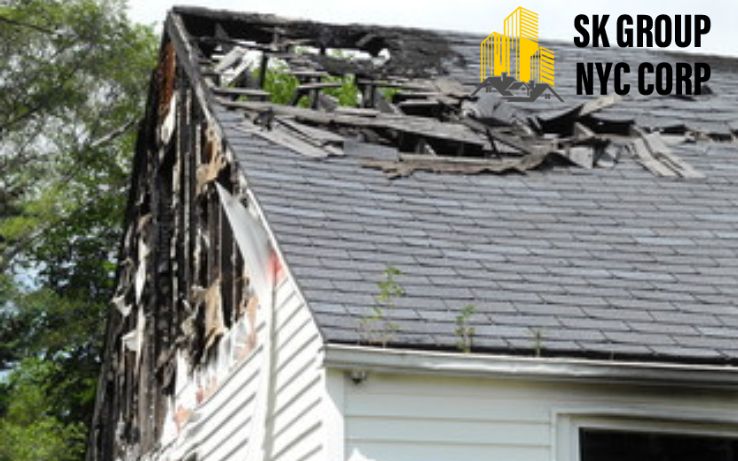
Storm Damage
Severe weather is one of the most common causes of sudden roof problems. High winds, hail, heavy rain, and snow can damage roofing components quickly.
After storms, homeowners should check for:
- Missing shingles
- Loose flashing
- Damaged gutters
- Roof punctures
- Water stains inside the property
Early detection can reduce the amount of damage and repair costs.
Common Roof Leak Problems Found in NYC Buildings
New York City properties experience unique roofing challenges because of weather conditions, building age, and complex rooftop systems.
Common issues include:
Freeze-Thaw Damage
During winter, water can enter small cracks and freeze when temperatures drop. As ice expands, it can enlarge existing gaps and weaken roofing materials.
Flat Roof Ponding Water
Many NYC commercial and multi-family buildings use flat roofing systems. Poor drainage can allow water to remain on the roof surface, increasing the risk of membrane deterioration.
Rooftop Equipment Penetrations
HVAC systems, vents, and other rooftop equipment create additional areas where flashing must remain properly sealed. Failed seals around these penetrations are frequent sources of leaks.
Aging Building Materials
Older buildings may have decades-old roofing systems that require careful evaluation. Previous repairs, multiple roof layers, and aging materials can make leak diagnosis more complex.
Signs You May Need Roof Leak Repair
Roof leaks often provide warning signs before major damage occurs. Homeowners should pay attention to:
Ceiling Water Stains
Brown or yellow marks on ceilings are common indicators of moisture intrusion. The location of the stain may not directly match the roof problem because water can travel along rafters and roofing layers.
Damp Attic Areas
Wet insulation, moisture buildup, or mold growth in attic spaces may indicate a hidden roofing problem.
Peeling Paint or Damaged Walls
Water entering through the roof can affect interior walls, causing bubbling paint, discoloration, or deterioration.
Musty Odors
Persistent damp smells may indicate trapped moisture behind walls or above ceilings.
Visible Roof Damage
Exterior warning signs include:
- Cracked shingles
- Missing roofing materials
- Damaged flashing
- Sagging sections
- Debris impact marks
How Roofing Professionals Diagnose Leaks
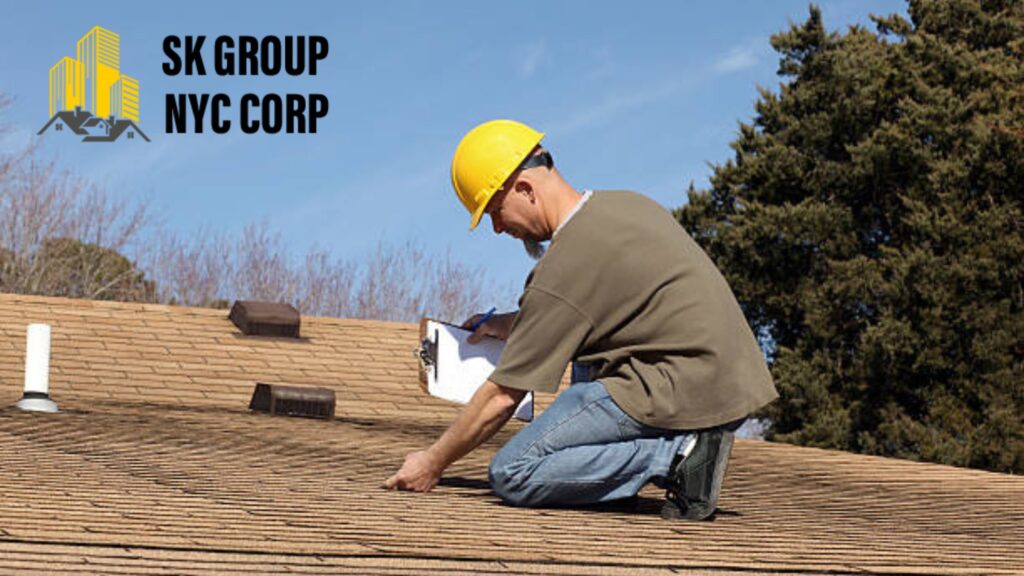
A detailed roof inspection in NYC can help identify hidden issues such as damaged flashing, moisture intrusion, and drainage problems before they become more expensive repairs.
A professional inspection usually involves:
Exterior Roof Assessment
Inspectors examine:
- Roofing materials
- Flashing systems
- Roof edges
- Gutters and drainage
- Penetrations
Moisture Investigation
Professionals may check for trapped moisture in insulation, roofing layers, or the roof deck to determine how far water has traveled.
At SK Group NYC Corp, roof evaluations focus on identifying the actual source of water intrusion rather than applying temporary surface fixes.
Identifying Hidden Entry Points
Experienced roofing professionals often find leaks around:
- Chimney flashing
- Pipe boots
- Roof seams
- Skylight edges
- Drainage areas
SK Group NYC Corp evaluates roofing systems by examining the source of water intrusion instead of relying only on visible interior damage.
Roof Leak Repair Methods Explained
The correct repair method depends on the roofing material, location of damage, and overall condition of the roof.
| Roofing Issue | Common Repair Approach |
|---|---|
| Missing or damaged shingles | Replace affected shingles and check surrounding areas |
| Failed flashing | Repair or replace flashing and reseal connections |
| Small membrane damage | Apply compatible repair materials |
| Drainage problems | Clean, repair, or improve drainage systems |
| Storm-related damage | Restore damaged roofing sections |
Shingle Repairs
If only a limited number of shingles are damaged and the roof structure remains healthy, replacing individual shingles may restore protection.
Flashing Repairs
Damaged flashing requires careful attention because improper repairs can allow water to enter again.
Flat Roof Repairs
Flat roofing systems such as EPDM, TPO, or modified bitumen require repairs that match the existing membrane system. Common problems include seam failures, punctures, and damaged penetrations.
Waterproofing Repairs
Waterproof coatings and sealants can help address certain issues, but they should not be used as a replacement for correcting underlying roofing failures.
Roof Leak Repair Costs: Factors That Affect Pricing
The cost of fixing a roof leak varies depending on the extent of damage, roofing material, accessibility, and required repairs.
| Cost Factor | How It Influences Pricing |
|---|---|
| Roof size | Larger areas require more labor and materials |
| Damage severity | Extensive damage increases repair complexity |
| Roofing material | Different systems require specialized methods |
| Roof accessibility | Difficult locations may require additional equipment |
| Additional damage | Decking, insulation, or structural repairs increase costs |
A minor repair may be relatively straightforward, while leaks involving damaged roof decking or widespread moisture may require more extensive work.
How to Prevent Future Roof Leaks
Preventive maintenance helps homeowners avoid unexpected damage and expensive repairs.
- Schedule Regular Roof Inspections: Routine inspections allow professionals to identify early warning signs before they become major problems.
- Maintain Gutters and Drainage: Keeping gutters clear helps prevent water buildup around roof edges and drainage areas.
- Repair Minor Damage Quickly: Small issues such as loose flashing, cracked seals, or missing shingles can become larger problems when ignored.
- Inspect After Storms: After heavy winds or rainfall, checking the roof for damage can help prevent hidden moisture issues.
When Roof Repair Is Not Enough
Not every leaking roof should be repaired indefinitely. In some cases, replacement may provide better long-term protection.
Roof replacement may be considered when:
- The roofing system has reached the end of its useful life
- Leaks continue after multiple repairs
- Large areas have structural damage
- Moisture has affected the roof deck
- Repair costs become excessive compared with replacement
A professional evaluation helps determine whether repairing the existing roof or installing a new system is the better option.
Need Professional Roof Leak Repair in NYC?
A leaking roof rarely fixes itself. Small issues around flashing, shingles, membranes, or drainage areas can develop into larger moisture problems if ignored. A professional inspection can determine whether your roof needs a simple repair or more extensive work.
Include:
- Roof inspections
- Leak diagnosis
- Emergency repair
- Residential roofing
- Commercial roofing
Frequently Asked Questions
What are the most common causes of roof leaks?
The most common causes include damaged shingles, failed flashing, aging materials, drainage problems, storm damage, and poor installation.
Can a small roof leak cause serious damage?
Yes. Even small leaks can damage insulation, ceilings, walls, and structural components if moisture remains untreated.
How quickly should a roof leak be repaired?
Roof leaks should be addressed as soon as possible because water damage can spread over time.
Can roof leaks be repaired without replacing the entire roof?
Yes. Many leaks can be repaired if the damage is limited and the roofing system is still in good condition.
Why does my roof only leak during heavy rain?
Heavy rain can expose weak areas such as damaged flashing, blocked drainage points, and small openings that may not leak during light rainfall.
Final Thoughts
A leaking roof is a problem that requires accurate diagnosis, not just temporary fixes. Understanding the causes, warning signs, repair methods, and prevention strategies allows homeowners to protect their properties and make better decisions.
Reliable roof leak repair focuses on identifying the true source of water intrusion and restoring the roofing system properly. With regular maintenance, timely inspections, and professional guidance, homeowners can extend roof performance and reduce the risk of costly water damage.
Working with an experienced NYC roofing company helps property owners understand whether repair, restoration, or replacement is the most practical solution.
Have Questions? Call Us Now!
+1 (718) 507-7000
We’re here to help quick answers, friendly service, anytime you need!
Contact SK Group NYC
🌐 Website: www.skgroupnyccorp.com
📍 Serving: Manhattan, Brooklyn, Queens, The Bronx, and Staten Island
📍 Address: 87-88 172nd St, Jamaica, New York, NY, United States, New York