New York City experiences some of the most unpredictable weather conditions in the country. During the summer months, severe thunderstorms, heavy rainfall, hail, strong winds, and flash flooding can arrive with little warning. While many homeowners focus on protecting windows, vehicles, and outdoor furniture, the roof often absorbs the greatest impact during a storm.
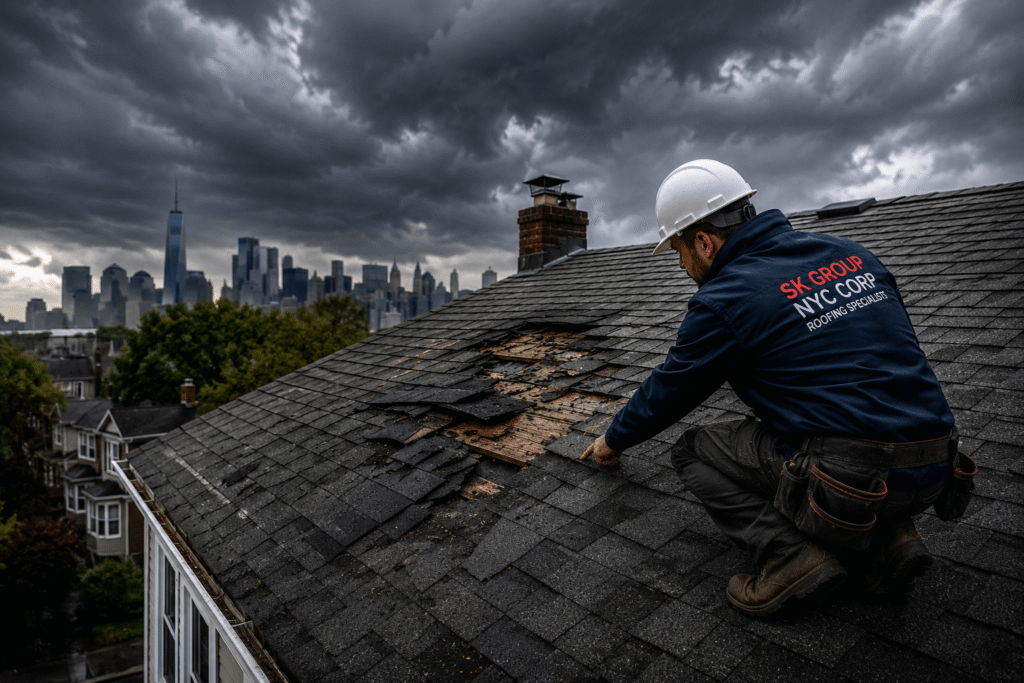
When powerful winds, hail, or heavy rain strike a property, roofing materials can become damaged even if the problem is not immediately visible. What appears to be a small issue today can quickly develop into a major leak that threatens the structure of your home or commercial building. In many cases, prompt Storm Damage Roof Repair is essential to prevent further damage and protect your property from costly repairs.
This is why Storm Damage Roof Repair is one of the most important roofing services for property owners throughout New York City. Acting quickly after a storm can help prevent water intrusion, mold growth, insulation damage, structural deterioration, and costly future repairs.
In recent years, Brooklyn, Queens, Manhattan, the Bronx, and Staten Island have experienced severe weather events that caused extensive roof damage. Strong winds, flash flooding, and heavy rain continue to create roofing challenges for residential and commercial properties throughout the city.
Understanding how storms affect roofs and recognizing the warning signs early can help property owners avoid major repair expenses.
Why Summer Storms in NYC Cause Roof Damage :
Summer storms in New York are not ordinary rain showers. High temperatures combined with humidity create powerful storm systems capable of producing damaging wind gusts, lightning, hail, and intense rainfall.
Strong winds are often the primary cause of roofing damage. Wind can lift shingles, loosen flashing, and expose vulnerable areas of the roofing system. Once the protective layer becomes compromised, rainwater can enter beneath the surface and damage the roof deck.
Heavy rainfall is another major concern. Many New York properties, especially commercial buildings, rely on flat roofing systems. These roofs can experience ponding water after storms. Standing water places additional stress on roofing materials and increases the likelihood of leaks.
Hailstorms can also damage shingles, dent metal roofing components, and weaken waterproof membranes. Even small hailstones can create cracks that eventually lead to water intrusion.
Because New York experiences frequent thunderstorms throughout the summer, many property owners eventually require Storm Damage Roof Repair to restore their roofing systems and prevent further damage.
Why NYC Homeowners Need Storm Damage Roof Repair
New York homeowners face unique challenges compared to property owners in other parts of the country.
The city’s aging building stock, dense urban environment, and changing weather patterns create conditions that increase roofing risks. Many homes and commercial properties have roofs that are already exposed to years of wear and tear.
A severe thunderstorm can quickly turn a minor weakness into a serious roofing problem.
Storm-related damage often affects:
- Roofing shingles
- Flashing systems
- Gutters and drainage systems
- Roof membranes
- Skylights
- Roof penetrations
Ignoring these issues can result in expensive interior damage. Water can affect ceilings, walls, insulation, electrical systems, and structural components.
Professional Storm Damage Roof Repair helps identify hidden problems before they become major liabilities.
Common Types of Storm Roof Damage
Every storm affects roofing systems differently. The extent of damage depends on the age of the roof, roofing materials, maintenance history, and storm intensity.
1. Wind Damage
Wind is one of the most common causes of roof damage in New York.
High winds can:
- Lift shingles
- Tear roofing materials
- Loosen flashing
- Damage gutters
- Expose roof underlayment
Missing shingles often allow water to penetrate beneath the roof surface.
2. Hail Damage
Hail damage is often difficult to identify from the ground.
Common signs include:
- Cracked shingles
- Dented metal surfaces
- Granule loss
- Damaged flashing
- Impact marks
Many homeowners discover hail damage only after leaks begin to develop.
3. Water Damage
Heavy rainfall frequently leads to roof leaks.
Water damage may appear as:
- Ceiling stains
- Mold growth
- Peeling paint
- Damp insulation
- Wet attic spaces
Water intrusion can spread quickly throughout a building if left untreated.
4. Tree Damage
Strong storms often cause tree branches to fall onto roofs.
Falling debris may puncture roofing materials, damage gutters, crack flashing, and compromise structural components.
Flat Roof Problems
Flat roofs are particularly vulnerable after severe storms.
Common issues include:
- Ponding water
- Open membrane seams
- Drain blockages
- Roof blistering
- Flashing failures
Prompt flat roof repair helps prevent extensive water damage and prolongs roof life.
Storm Damage We Commonly See in Brooklyn, Queens & Manhattan
Different boroughs experience different roofing challenges.
Brooklyn Flat Roof Damage
Brooklyn contains many residential and commercial buildings with flat roofs.
After heavy storms, property owners frequently experience ponding water, clogged drains, membrane separation, and flashing failures. These problems often lead to leaks that require immediate Storm Damage Roof Repair.
Queens Wind Damage
Queens neighborhoods frequently experience strong wind exposure during severe thunderstorms.
High winds can loosen shingles, damage flashing, and create openings where water enters the roof system. Many homeowners searching for storm damage roof repair near me discover missing shingles after a major storm.
Manhattan Roofing Challenges
Many Manhattan buildings have aging roofing systems.
Heavy rainfall can expose weaknesses in older roofs and increase the need for emergency roof leak repair. Water often enters around flashing, parapets, and roof penetrations.
7 Signs Your Roof Needs Immediate Attention
1. Missing Shingles
Missing shingles expose the roof to water damage and should be repaired immediately.
2. Water Stains on Ceilings
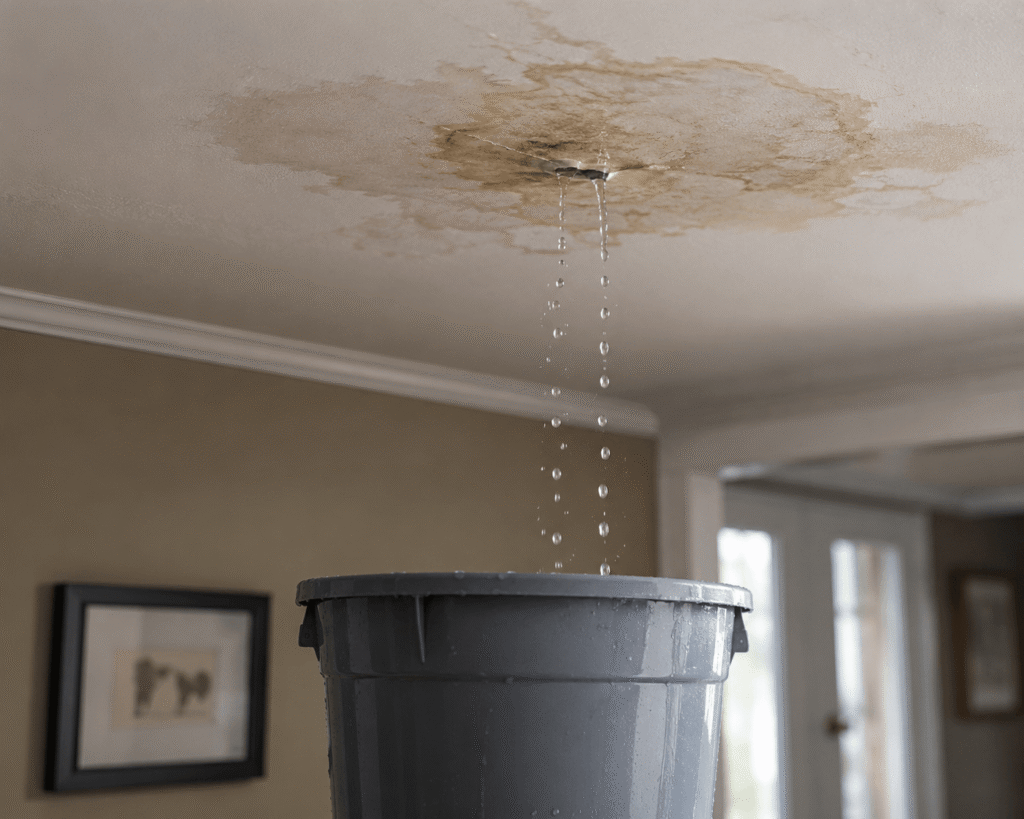
Ceiling discoloration often indicates active roof leaks.
3. Sagging Roof Sections
A sagging roof may indicate structural damage and requires immediate evaluation.
4. Granules in Gutters
Excessive granule loss is often a sign of deteriorating shingles.
5. Active Roof Leaks
Water entering the building during rainfall should never be ignored.
6. Damaged Flashing
Loose or damaged flashing creates opportunities for water intrusion.
7. Overflowing Gutters
Blocked or damaged gutters can contribute to roofing and foundation problems.
Flat Roof Problems After Severe Weather
Flat roofs are common throughout New York City.
Unlike sloped roofs, flat roofing systems depend heavily on drainage. During severe storms, drains often become clogged by debris.
When water cannot drain properly, it begins to pond on the roof surface.
Over time, ponding water weakens membranes, stresses seams, and increases leak risks. This is why flat roof repair is one of the most requested roofing services after heavy storms.
Emergency Roof Repair Steps
If your roof has been affected by severe weather, taking quick action can reduce further damage and lower the overall cost of Storm Damage Roof Repair.
Avoid DIY roof repairs until a professional inspection is completed.
Ensure everyone’s safety first and stay away from damaged areas.
Inspect your property from the ground without climbing onto the roof.
Take photos and videos of visible damage for insurance and repair records.
Look for missing shingles, damaged flashing, and fallen debris around the property.
Protect interior belongings from water intrusion whenever possible.
Place buckets under active leaks to minimize water damage.
Cover exposed areas with plastic sheeting if it can be done safely.
Contact a roofing professional immediately if you notice signs that require Storm Damage Roof Repair.
Schedule emergency roof repair if the roof has visible openings or structural damage.
Emergency Roof Leak Repair
Some roofing situations require immediate action.
Call for emergency roof leak repair if you experience:
- Active water intrusion
- Major storm damage
- Large missing roof sections
- Tree impact damage
- Ceiling collapse risk
Quick response helps prevent further damage and reduces repair costs.
Professional Storm Damage Roof Repair Process
Professional contractors follow a systematic process when completing Storm Damage Roof Repair.
Roof Inspection
A thorough inspection identifies visible and hidden damage.
Damage Assessment
Contractors evaluate roofing materials, flashing systems, drainage components, and structural conditions.
Temporary Protection
Emergency measures may include roof tarping and leak containment.
Permanent Repairs
Permanent solutions may involve shingle replacement, flashing repair, membrane restoration, gutter repairs, and waterproofing improvements.
Final Inspection
The completed project is reviewed to ensure long-term protection.
Storm Damage Roof Repair Cost in NYC
| Damage Type | Typical Cost Range |
|---|---|
| Missing Shingles | $350 – $1,500 |
| Flashing Repair | $500 – $2,000 |
| Flat Roof Leak Repair | $450 – $2,500 |
| Emergency Roof Repair | $300 – $3,500+ |
| Ponding Water Repair | $300 – $1,800 |
| Structural Roof Damage | $1,500 – $10,000+ |
Actual pricing varies based on roof size, accessibility, roofing materials, and damage severity.
Storm Damage Roof Repair vs Roof Replacement
Not every damaged roof requires replacement.
Storm Damage Roof Repair is often the best solution when damage is localized and the roof remains structurally sound.
Roof replacement may become necessary when:
- The roof is near the end of its lifespan
- Damage affects a large portion of the roof
- Multiple leaks exist
- Structural issues are present
A professional inspection helps determine the most cost-effective option.
How to Prevent Future Storm Damage
Preventive maintenance helps reduce repair costs.
Important steps include:
- Schedule annual roof inspections
- Clean gutters regularly
- Repair loose flashing
- Remove tree branches near the roof
- Address leaks immediately
- Maintain proper drainage
Preventive care often costs far less than major Storm Damage Roof Repair projects.
Choosing a Roofing Contractor
When searching for storm damage roof repair near me, choose a contractor with experience handling New York roofing systems.
Look for:
- Proper licensing
- Insurance coverage
- Positive reviews
- Written estimates
- Experience with flat roof repair
- Emergency response services
A qualified contractor can identify hidden damage and recommend appropriate repairs.
FAQ’s
1. What causes storm roof damage?
Strong winds, hail, heavy rain, and falling debris are the most common causes.
2. How much does Storm Damage Roof Repair cost?
Costs vary depending on damage severity, roofing materials, and accessibility.
3. Can storms damage flat roofs?
Yes. Ponding water, membrane punctures, and drainage issues frequently require flat roof repair.
4. When should I call for emergency roof repair?
Call immediately if your roof has active leaks, structural concerns, or major storm damage.
5. Does homeowners insurance cover storm damage?
Many policies cover sudden storm-related damage, but coverage varies.
How can I find storm damage roof repair near me?
Choose licensed contractors with local experience, written estimates, and strong customer reviews.
6. Can a small roof leak become serious?
Yes. Small leaks can lead to mold growth, insulation damage, and structural deterioration.
Conclusion
New York storms can damage roofing systems within minutes. Strong winds, hail, heavy rainfall, and flash flooding all contribute to roofing problems throughout the year.
Ignoring minor issues often results in larger repairs, interior water damage, and higher restoration costs.
Professional Storm Damage Roof Repair helps protect your property, prevent water intrusion, and extend the life of your roofing system. Whether you need flat roof repair, emergency roof repair, or emergency roof leak repair, taking action quickly can save thousands of dollars in future repairs.
If your roof has been affected by severe weather, schedule an inspection as soon as possible and address problems before the next storm arrives.