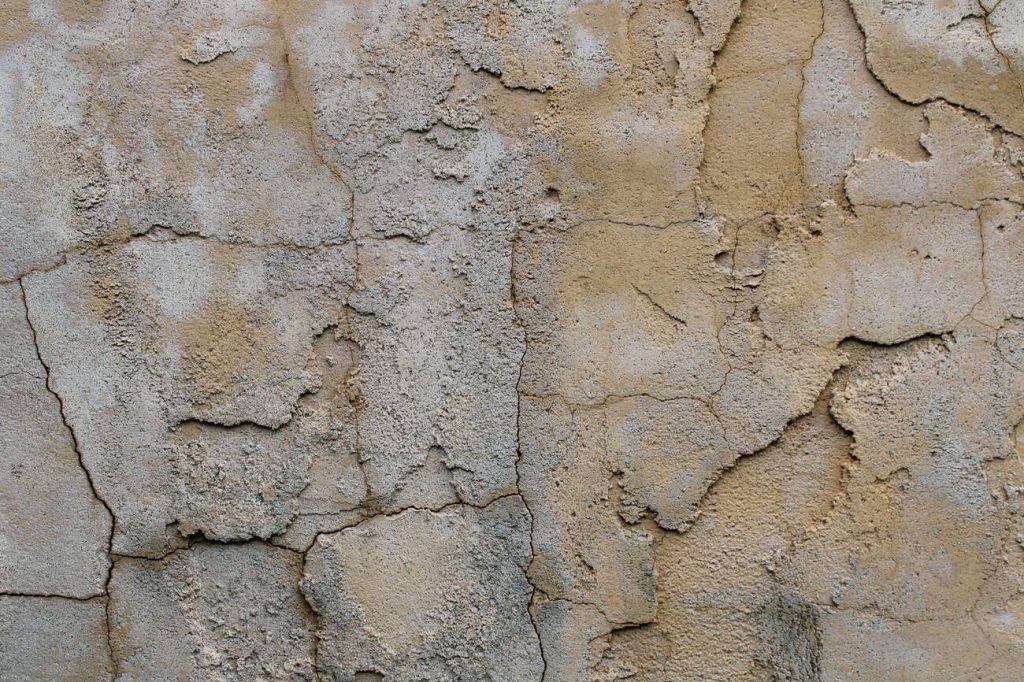
Cracks in concrete are common, but they should not all be repaired the same way. A thin, stable crack in a patio may only need sealing, while a widening foundation crack or uneven slab can point to movement that filler alone will not solve.
Successful concrete crack repair starts with three questions: What caused the crack? Is it still moving? Which repair material fits that condition?
For many small, non-structural cracks, DIY repair is possible with the right preparation and product. Wider, recurring, leaking, or displaced cracks need more careful evaluation. This guide explains how to repair cracks in concrete, which materials work best, common mistakes to avoid, and when professional repair makes more sense than simply filling the surface.
Why Does Concrete Crack?
Concrete is durable, but it naturally responds to moisture loss, temperature changes, loads, and movement beneath the slab.
Common causes include:
- Drying shrinkage as new concrete cures
- Expansion and contraction from temperature changes
- Soil settlement beneath a slab
- Poor drainage around concrete
- Heavy vehicle or equipment loads
- Freeze-thaw cycles
- Improperly placed control joints
- Weak or poorly compacted subgrade
- Foundation movement
- Poor curing or installation practices
The cause matters because a repair product only treats the visible crack. If water continues washing soil away beneath a slab, for example, filling the opening will not correct the settlement.
That is why effective concrete crack repair should address both the crack and, when possible, the condition that caused it.
What Type of Concrete Crack Do You Have?
Before choosing epoxy, sealant, or patching material, inspect the damage closely.
Hairline Cracks
Hairline cracks are very narrow and often develop as concrete dries and cures. Many remain stable and are mainly cosmetic.
They may still need sealing on exterior concrete if water can enter the opening and contribute to deterioration.
Small, Stable Cracks
A small crack that has not grown over time and has little or no height difference between its sides is often non-structural.
These cracks commonly appear in:
- Driveways
- Patios
- Garage floors
- Basement slabs
- Walkways
Depending on the location, a concrete crack filler or flexible sealant may be enough.
Wide or Deep Cracks
A wide crack should not automatically be treated with the same product used for a hairline opening.
It may require:
- More thorough cleaning
- Removal of loose concrete
- Backer material
- Repair mortar
- Patching compound
- Professional evaluation
Depth matters too. A crack that extends through the slab or has crumbling edges may indicate a larger problem than the surface suggests.
Moving or Structural Cracks
A crack deserves closer attention when it keeps widening, reopens after previous repair, or appears with visible displacement.
Warning signs include:
- One side of the slab sitting higher than the other
- A crack becoming wider over time
- Several cracks appearing in the same area
- Water entering through a wall or foundation
- Significant settlement
- Horizontal foundation cracks
- Doors or windows becoming difficult to operate
These signs do not automatically mean the structure is unsafe, but they do mean a simple cosmetic repair may not be enough.
Best Concrete Crack Repair Method by Crack Type
The right repair method depends on movement, moisture, location, and the condition of the surrounding concrete.
| Crack Type | What You May Notice | Typical Repair Approach | Who Should Repair It? |
|---|---|---|---|
| Hairline crack | Thin surface line with no movement | Suitable crack sealer or low-viscosity repair material | Often DIY |
| Small stable crack | No major displacement or growth | Concrete filler or polyurethane sealant | Often DIY |
| Wide surface crack | Larger opening or damaged edges | Repair mortar or patching compound | DIY or professional |
| Vertical wall crack | Possible moisture entry | Epoxy or polyurethane injection, depending on conditions | Often professional |
| Moving crack | Reopens or changes with movement | Flexible repair system plus correction of the cause | Professional evaluation |
| Structural or displaced crack | Settlement, widening or uneven concrete | Repair based on diagnosis | Professional |
No product is automatically “best.” The strongest material can still fail if it does not match the way the crack behaves.
How to Repair Cracks in Concrete Step by Step
For a stable, non-structural crack, the repair process is usually manageable if preparation is done correctly.
1. Inspect the Crack First
Do not start by reaching for filler.
Look at the entire damaged area and ask:
- How wide is the crack?
- How deep does it appear?
- Is one side higher than the other?
- Is moisture entering?
- Has the crack changed recently?
- Has it been repaired before?
A crack that repeatedly reopens after previous repairs often points to continuing movement, moisture, or poor preparation rather than simply a bad product.
2. Clean and Prepare the Area
Surface preparation is one of the most important parts of concrete crack repair.
Remove:
- Dust
- Dirt
- Loose concrete
- Old sealant
- Weak or crumbling material
- Debris inside the opening
A repair material bonds to the concrete surface, not to dust sitting on top of it.
Some products require the crack to be widened or shaped before application, while others are intended for direct use in narrow openings. Follow the product manufacturer’s preparation instructions rather than enlarging a crack unnecessarily.
Also check whether the product is designed for dry, damp, or wet conditions.
3. Choose the Right Repair Material
Several materials are commonly used to repair cracked concrete.
- Concrete crack filler: Useful for many small, stable, non-structural cracks.
- Polyurethane sealant: Remains more flexible and can be useful where limited movement is expected.
- Epoxy: Creates a rigid, high-strength bond and may be appropriate for certain stationary cracks.
- Repair mortar or patching compound: Better suited to wider openings, chipped edges, or areas where concrete has deteriorated.
- Hydraulic cement: Used in some water-related concrete and masonry repairs, but it is not a universal solution for leaking cracks.
Do not choose epoxy just because it sounds stronger. A rigid product can be the wrong choice if the crack continues opening and closing.
4. Apply the Material Properly
Apply the repair material according to its recommended depth, temperature range, and surface conditions.
For sealants and fillers, make sure the product reaches the opening instead of only creating a thin layer across the top.
For patching materials, remove unstable edges and pack the repair firmly enough to eliminate large voids.
Exterior repairs may also need to be finished so they blend reasonably well with the surrounding surface.
5. Let the Repair Cure
Do not immediately drive, walk, paint, coat, or pressure-wash the repaired area.
Cure time varies by:
- Product
- Temperature
- Humidity
- Crack depth
- Surface exposure
Follow the manufacturer’s cure requirements. A well-prepared repair can still fail if it is placed back into service too soon.
Concrete Crack Filler vs. Epoxy: Which Is Better?
Neither is better in every situation.
Concrete crack filler is usually the simpler option for small, stable surface cracks. Many fillers are designed for homeowner use and work well for minor cracks in floors, patios, driveways, and similar surfaces.
Epoxy creates a rigid bond and can be useful when a stationary crack needs a strong repair. However, strength alone does not make epoxy suitable for every crack.
Polyurethane deserves consideration too. Because it can remain flexible, it may perform better in some exterior cracks, joints, and areas where small amounts of movement continue.
The best material for concrete crack repair is the one that matches the crack’s behavior, location, and moisture conditions.
Repairing Cracks in Different Concrete Surfaces
The same basic repair principles apply across concrete surfaces, but the conditions are different.
Concrete Driveways
Driveways are exposed to vehicle loads, water, heat, cold, and movement beneath the slab.
Small stable cracks may be sealed or filled. If one section of the driveway has dropped or lifted, however, surface filler will not correct the underlying displacement.
Concrete Floors and Slabs
Garage, basement, and interior slab cracks are often related to shrinkage or settlement.
If the floor will receive epoxy coating, tile, or another finish, repair and stability should be addressed first. Otherwise, cracks may transfer through the new surface.
Concrete Patios and Pool Decks
Outdoor concrete is exposed to moisture and temperature changes.
Pool decks face additional water exposure, so the repair material must suit the environment. Surface texture can also matter because repaired areas should not create an unnecessarily slippery patch.
Concrete Walls and Foundations
Wall and foundation cracks require closer inspection because crack direction, water intrusion, movement, and location can all change the repair approach.
A narrow stable vertical crack is different from a widening horizontal crack or a wall showing displacement.
When Filling the Crack Is Not Enough
Some concrete problems cannot be solved by adding filler to the visible opening.
A surface repair may not be enough when:
- The slab has significant vertical displacement
- Soil beneath the concrete is settling
- Water continues eroding the base
- Large areas are spalling or crumbling
- Multiple cracks are developing together
- Previous repairs repeatedly reopen
- A foundation wall is moving
- Drainage problems remain unresolved
In these situations, the crack is often a symptom rather than the main problem.
For example, repeatedly filling a driveway crack while the soil underneath continues to wash away may improve appearance temporarily, but the movement can continue.
Common Concrete Crack Repair Mistakes
Even a high-quality product can fail if it is used incorrectly.
Avoid these common mistakes:
- Filling a dirty or dusty crack
- Ignoring the reason the crack formed
- Using rigid epoxy in an actively moving crack
- Applying material outside the recommended temperature range
- Using a product on concrete that is too wet or too dry
- Repairing over loose or deteriorated concrete
- Ignoring drainage or water problems
- Returning the area to use before curing is complete
- Treating structural movement as a cosmetic defect
One of the most common errors is assuming that stronger filler always means a longer-lasting repair. In reality, compatibility with the crack’s movement is often more important than strength alone.
How to Reduce the Chance of Cracks Returning
Not every concrete crack can be prevented, but good maintenance can reduce repeat damage.
Consider these steps:
- Keep gutters and downspouts working properly
- Direct water away from slabs and foundations
- Maintain control and expansion joints
- Repair damaged joints before surrounding concrete deteriorates
- Avoid loads beyond what the slab was designed to carry
- Correct erosion and significant soil settlement
- Repair plumbing or drainage leaks
- Use an appropriate exterior sealer when recommended
- Monitor previously repaired cracks for new movement
Some shrinkage cracks can appear even in properly placed concrete. The goal is to control moisture, deterioration, and movement rather than expect every concrete surface to remain completely crack-free.
When Should You Call a Concrete Repair Professional?
DIY concrete crack repair is often reasonable for small, stable, non-structural cracks.
Professional evaluation is more appropriate when:
- The crack keeps growing
- One side of the concrete has shifted
- The slab has significant settlement
- Water repeatedly enters through a wall
- Several cracks are appearing together
- Foundation movement is suspected
- Previous repairs continue to fail
- The cause of the damage is unclear
For property owners dealing with recurring or more serious concrete damage, SK Group NYC Corp can assess the condition and determine whether filling, sealing, injection, resurfacing, or another repair approach is more appropriate.
A good professional repair should do more than hide the crack. It should consider why the damage developed and whether that cause also needs to be corrected.
Frequently Asked Questions About Concrete Crack Repair
What is the best material for concrete crack repair?
The best material depends on the crack. Small, stable cracks may be repaired with concrete filler or sealant. Epoxy can work well for certain stationary cracks, while polyurethane may be more suitable where limited movement or moisture is involved. Width alone should not determine the product.
Can cracked concrete be permanently repaired?
Many stable cracks can be repaired for the long term. However, no filler can stop a crack from reopening if settlement, structural movement, erosion, or water problems continue. Long-lasting repairs usually depend on correcting the cause as well as repairing the visible damage.
Should I use epoxy or concrete crack filler?
Use concrete crack filler for many small surface cracks. Consider epoxy for certain stationary cracks that require a rigid bond. If the crack is actively moving, a flexible repair system or professional evaluation may be more appropriate than simply choosing a stronger material.
How wide does a crack need to be before it should be repaired?
There is no universal width that determines whether a crack needs repair. A narrow crack may still allow water intrusion, while a wider crack may remain stable. Movement, displacement, location, moisture, and whether the crack is getting larger are all important factors.
When is a concrete crack considered structural?
A crack may need structural evaluation when it is associated with significant settlement, displacement, widening, wall movement, or other signs that the concrete or surrounding structure is shifting. Crack direction and location also matter, so questionable foundation or wall cracks should be assessed rather than treated as cosmetic damage.
Get the Repair Method Right the First Time
Good concrete crack repair is about more than covering a visible line. First identify the crack type and likely cause. Then prepare the surface properly and choose a repair material that suits the crack’s movement, moisture exposure, and location.
Small, stable cracks can often be repaired successfully without major work. But cracks that grow, leak, reopen, or appear with uneven concrete deserve closer attention. When the problem goes beyond a simple surface defect, an experienced masonry contractor such as SK Group NYC Corp can help determine whether sealing, patching, injection, resurfacing, or a more substantial repair is the right next step.
Have Questions? Call Us Now!
+1 (718) 507-7000
We’re here to help quick answers, friendly service, anytime you need!
Contact SK Group NYC
🌐 Website: www.skgroupnyccorp.com
📍 Serving: Manhattan, Brooklyn, Queens, The Bronx, and Staten Island
📍 Address: 87-88 172nd St, Jamaica, New York, NY, United States, New York