Routine home maintenance often focuses on visible indoor repairs, but the exterior drainage system on your roofline protects your home’s entire structural foundation. Consistent gutter cleaning is one of the most critical preventive measures a property owner can take. When neglected, a simple buildup of leaves, twigs, and roofing granules can quickly spiral into multi-thousand-dollar structural repairs involving basement flooding, rotting fascia boards, and damaged foundations.
Understanding how your drainage system works, recognizing early warning signs of blockages, and knowing when to tackle maintenance yourself versus calling a contractor will keep your home dry and structurally sound across every season.
What Is Gutter Cleaning and Why Does It Matter?
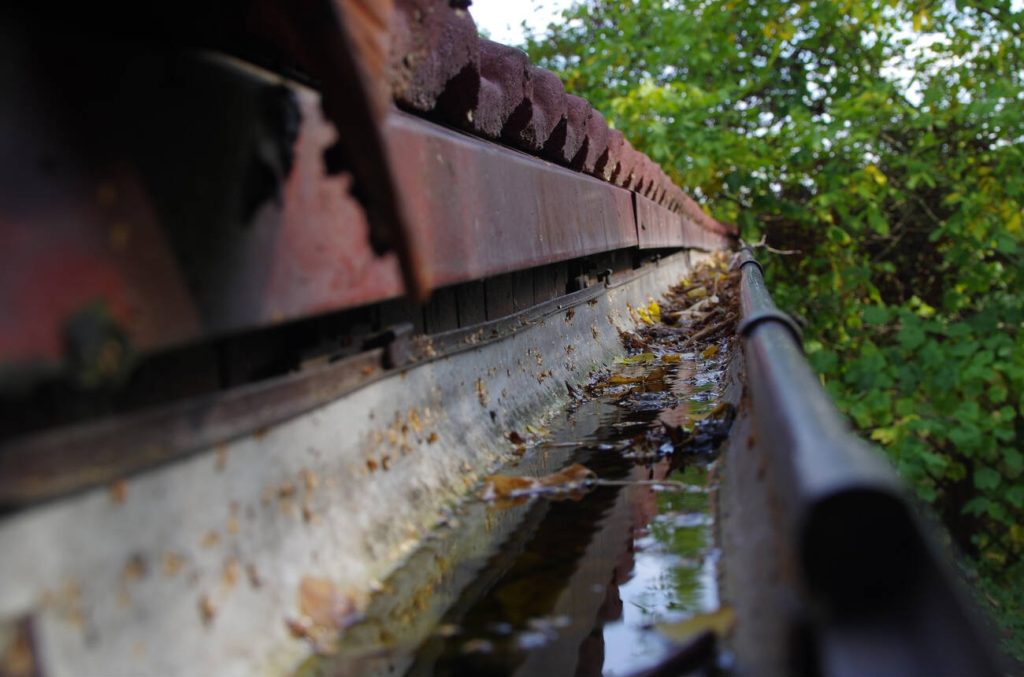
Gutter cleaning is the process of removing accumulated debris, such as organic matter, nests, standing water, and sediment from your home’s horizontal eaves troughs and vertical downspouts.
Your roof catches thousands of gallons of rainwater each year. The gutter system collects this runoff and channels it through downspouts to carry water at least 5 to 10 feet away from your foundation. When debris blocks this pathway, water backs up, spills over the edges, and collects directly against exterior siding, window frames, and the concrete footings below.
Why Regular Gutter Cleaning Protects Your Home
Routine gutter maintenance provides a shield against progressive exterior and structural damage. The costs of cleaning pale in comparison to the repairs triggered by neglected water overflow.
       [ Heavy Rainfall ]
              │
              ▼
   [ Clogged Gutter Trough ]
              │
     ┌────────┴────────┐
     ▼                 ▼
[ Overflow at Eaves ]  [ Heavy Standing Water ]
     │                         │
     ├─► Fascia/Soffit Rot     ├─► Sagging & Pulled Screws
     ├─► Siding Staining       └─► Mosquito Breeding
     └─► Foundation Erosion / Basement Leaks
1. Foundation Protection and Basement Dryness
When gutters overflow, gallons of water drop directly along the perimeter of your house. This saturates the soil, creates hydrostatic pressure against foundation walls, and causes cracks, slab shifting, and wet basements. Effective rainwater damage prevention begins at the roofline.
2. Preserving Fascia Boards and Roof Decking
Trapped moisture rots the wooden fascia boards holding your gutters in place. Over time, water seeps into roof underlayment and soffits, leading to interior ceiling stains and mold inside attic insulation.
3. Preventing Pest Infestations
Damp, organic material inside clogged gutters creates an ideal habitat for:
- Mosquitoes and gnats breeding in stagnant pools
- Carpenter ants and termites tunneling into softened, damp wood
- Birds, squirrels, and mice nesting near attic vents
4. Avoiding Ice Dams in Cold Climates
During freezing months, trapped water in blocked troughs freezes solid. This creates ice dams that force melting snow underneath shingles, ripping gutters from brackets under excessive weight.
Signs Your Gutters Need Professional Attention
Gutters rarely fail without warning. Inspecting your roofline during dry days and active rainstorms helps you catch issues before they escalate.
- Water Spilling Over the Sides: If water cascades over the edges during moderate rain rather than exiting the downspout, an obstruction is trapping the flow.
- Sagging or Pulling Away: Wet debris weighs several pounds per linear foot. If the troughs bow downward or pull away from the fascia, the fasteners are failing under excessive weight.
- Plants Growing in Troughs: Visible seedlings or moss indicate decomposed organic matter that has sat undisturbed long enough to form soil.
- Staining Along Siding and Fascia: Dark streaks or peeling paint directly behind or beneath gutters indicate recurring overflows.
- No Flow from Downspout Outlets: If downspouts trickle while troughs are full, a dense clog is lodged in the elbow joints.
How Often Should Gutters Be Cleaned?
A standard rule of thumb is to perform a thorough gutter inspection and cleaning twice a year: once in late spring after seed pods drop, and once in late autumn after trees shed their leaves.
┌─────────────────────────────────────────────────────────────┐
│                 ANNUAL MAINTENANCE SCHEDULE                 │
├───────────────┬─────────────────────────────────────────────┤
│ Late Spring   │ Clear oak tassels, seed pods, and blossoms  │
│ Late Summer   │ Mid-year check for storm debris and nests   │
│ Late Autumn   │ Clear fallen leaves and prep for winter     │
│ Late Winter   │ Visual check for ice dams and joint leaks   │
└───────────────┴─────────────────────────────────────────────┘
However, specific environmental factors require a more frequent schedule:
- Dense Tree Canopy: Homes surrounded by mature pine, oak, or maple trees need cleaning 3 to 4 times per year. Pine needles shed year-round and slip past basic screen covers.
- Roof Pitch and Architecture: Steep roofs shed water and debris quickly into troughs, concentrating material in shorter timeframes.
- Regional Climate: Areas with frequent severe storms need prompt post-storm cleanouts to clear downed branches and windblown grit.
Gutter Cleaning Cost: What Homeowners Should Expect
The average gutter cleaning cost for a single-family home ranges between $120 and $300, depending on home size, height, and current condition.
Key Pricing Variables
- Home Square Footage and Linear Feet: Single-story homes with 120–150 linear feet of gutters sit at the lower end of the pricing spectrum, whereas larger multi-story layouts with 200+ linear feet cost more.
- Height and Roof Pitch: Two- and three-story properties require specialized ladder stabilizer equipment, safety harnesses, and additional crew members, raising labor costs.
- Severity of Blockage: Severely packed debris, rooted plant growth, or completely obstructed downspout runs require extra labor and flushing time.
- Gutter Protection Add-ons: Systems with existing gutter guards require disassembly and reinstallation to clean underlying fine silt.
DIY Gutter Cleaning vs Professional Gutter Cleaning
Deciding between DIY gutter maintenance and hiring a contractor comes down to property complexity, physical capability, and safety comfort levels.
| Factor | DIY Cleaning | Professional Service |
| Average Cost | $0 – $50 (Trash bags, scoop, hose attachments) | $120 – $300+ per visit |
| Time Investment | 2 to 5 hours of manual physical labor | 45 to 90 minutes (Zero homeowner labor) |
| Safety Risk | High (Ladder falls, electrical hazards, insect stings) | Low for homeowner (Insured technicians with safety gear) |
| Equipment Needed | Sturdy extension ladder, gloves, bucket, hose | Commercial vacuums, pressure washers, stabilizers, harnesses |
| Thoroughness | Surface debris removal; difficult downspout clogs missed | Complete downspout clearing, pitch check, seal inspection |
| Damage Detection | Basic visual check by untrained eye | Identifies loose brackets, failing seams, wood rot, roof wear |
Safe DIY Practices
If you choose the DIY route on a single-story home:
- Use a sturdy ladder placed on level, compacted ground with a ladder standoff stabilizer to avoid crushing the troughs.
- Wear heavy-duty leather or nitrile-coated work gloves to protect hands against sharp metal edges and rusted screws.
- Remove large debris by hand using a plastic gutter scoop, placing waste into a bucket rather than dropping it on landscaping.
- Flush the trough and downspouts with a garden hose nozzle starting at the far end and working toward the outlet.
When to Call a Specialist
For multi-story structures, steep roof designs, or complex downspout networks routed underground, working with an experienced exterior contractor eliminates severe safety hazards.
Established service teams, such as SK Group NYC Corp, utilize commercial-grade equipment to clear out heavy blockages, check structural alignments, and ensure downspout drains discharge clear water well away from your foundation.
Common Gutter Problems Caused by Poor Maintenance
Unresolved blockages lead to common mechanical failures throughout your roof drainage network.
┌───────────────────────────────┬──────────────────────────────────────────┐
│ Gutter Problem                │ Root Cause & Practical Fix               │
├───────────────────────────────┼──────────────────────────────────────────┤
│ Pulling Away from Fascia      │ Overweight debris; replace with 7" screws│
│ Leaking Joints & Seams        │ Dried sealant; re-caulk with butyl seal  │
│ Improper Slope (Standing H2O) │ Settled brackets; adjust 1/4" per 10 ft  │
│ Downspout Joint Separation    │ Ice expansion; re-rivet pipe connections │
└───────────────────────────────┴──────────────────────────────────────────┘
1. Sagging and Broken Hangers
Old spike-and-ferrule fasteners pull out of wood as debris weight accumulates. Upgrading to modern hidden screw-in hangers secured with heavy-duty exterior screws restores structural integrity.
2. Leaking Seams and End Caps
Sectional aluminum and vinyl systems rely on elastomeric or butyl sealants at every joint. Standing acidic water from decaying leaves breaks down these compounds over time, causing dripping seams. Cleaning the metal and applying fresh exterior gutter sealant fixes the problem.
3. Misaligned Slopes and Low Spots
If a section sags between brackets, water sits perpetually in that low spot, accelerating metal oxidation and attracting pests. Re-leveling and securing the brackets ensures continuous downward pitch toward the downspouts.
How to Choose the Right Gutter Cleaning Service
Selecting an exterior contractor requires verifying credentials and scope of work to avoid poor service and liability issues.
- Verify Licensing and Insurance: Never hire a contractor without general liability and workers’ compensation coverage. Ladder work carries inherent fall risks, and uninsured workers put homeowners at legal risk.
- Look for Complete Scope of Work: A proper service includes clearing the horizontal troughs, checking and flushing vertical downspouts, and cleaning up ground debris afterward.
- Ask About Inspection Reports: Reliable companies document roofline wear, unsealed joints, loose brackets, and early wood rot. Full-service exterior specialists like SK Group NYC Corp often check these points as part of comprehensive property upkeep.
- Check Verified Reviews: Look for consistent ratings on Google and local business platforms regarding punctuality, clean site management, and upfront pricing.
Seasonal Maintenance Tips for Long-Term Protection
An active home maintenance plan prevents emergency overflows during peak storms.
- Spring: Clear flowering tree debris, seed catkins, and winter silt. Inspect all joints for winter freeze separation.
- Summer: Inspect downspout splash blocks after severe storms. Trim overhanging tree branches back at least 6 to 8 feet from the roof edge to limit debris accumulation and animal access.
- Autumn: Perform a comprehensive cleanout once most leaves have dropped. Flush downspouts with a high-pressure hose to verify clear winter drainage.
- Winter: Keep an eye out for hanging icicles and ice ridges along the eaves, which indicate poor attic insulation or blocked drainage.
Frequently Asked Questions About Gutter Cleaning
How often should gutters be cleaned?
Gutters should be cleaned at least twice a year, once in late spring and once in late autumn. Homes surrounded by mature trees, particularly evergreens and pines, may need cleanouts every three to four months to prevent downspout clogs and water overflow.
What happens if gutters are not cleaned?
When gutters remain clogged, trapped water overflows and causes foundation cracking, basement flooding, rotten fascia boards, and damaged siding. In cold weather, stagnant water freezes into heavy ice dams that tear gutters from rooflines and drive leaks beneath shingles.
Is professional gutter cleaning worth it?
Yes, professional gutter cleaning is worth the investment for safety, thoroughness, and long-term home protection. Experienced technicians clear dangerous heights safely, flush hidden downspout blockages, and inspect your roofline for early leaks, loose brackets, and structural rot before costly damage develops.
How much does gutter cleaning cost?
Gutter cleaning generally costs between $120 and $300 for standard residential properties. Exact pricing depends on total linear footage, roof pitch, building height, the degree of debris buildup, and whether safety rigging or ladder stabilizers are needed.