A shingle roof replacement is a major home improvement project, but it does not have to feel confusing. The most important questions are usually practical: Is replacement really necessary? What will the contractor remove? What affects the cost? How long will the work take? And how do you know whether an estimate is complete?
For homeowners with an aging or damaged asphalt shingle roof, the right decision depends on more than appearance. Roof condition, leak history, decking, flashing, ventilation, storm damage, and previous repairs all matter. This guide explains the replacement process, cost factors, warning signs, contractor selection, and what to expect before work begins.
What Is Shingle Roof Replacement?
Shingle roof replacement is the process of removing an existing asphalt shingle roofing system, inspecting the underlying roof deck, repairing damaged areas as needed, installing protective roofing components, and applying new shingles. A complete replacement involves more than simply covering the roof with a fresh layer of shingles.
The visible shingles are only one part of the roofing system. Depending on the property and project, a replacement may also involve roof decking, underlayment, flashing, drip edge, ventilation components, valleys, and details around chimneys, skylights, vents, or other roof penetrations.
This is why homeowners comparing estimates should look beyond the shingle brand or color. Two contractors may both quote a roof shingle replacement but include very different scopes of work.
Signs You May Need Shingle Roof Replacement
A damaged shingle does not automatically mean the entire roof needs replacement. However, several problems appearing together can indicate that repair alone may no longer be the most practical solution.
Missing or Damaged Shingles
A few missing shingles after a storm may be repairable. Widespread missing, broken, or loose shingles across multiple roof sections can point to broader deterioration.
Curling, Cracking, or Granule Loss
Asphalt shingles can become brittle, curl at the edges, crack, or lose surface granules over time. Granule loss should be evaluated in context because some loss can occur naturally, while heavy or widespread deterioration may signal reduced shingle performance.
Recurring Roof Leaks
A single leak caused by damaged flashing may be repairable. Repeated leaks in different areas deserve a more complete inspection, especially when previous repairs have not solved the problem.
Sagging or Suspected Decking Problems
Visible sagging or signs of weakened decking require professional evaluation. Roof decking provides the structural surface beneath the roofing materials, so problems underneath the shingles may affect the scope of replacement.
Widespread Storm Damage
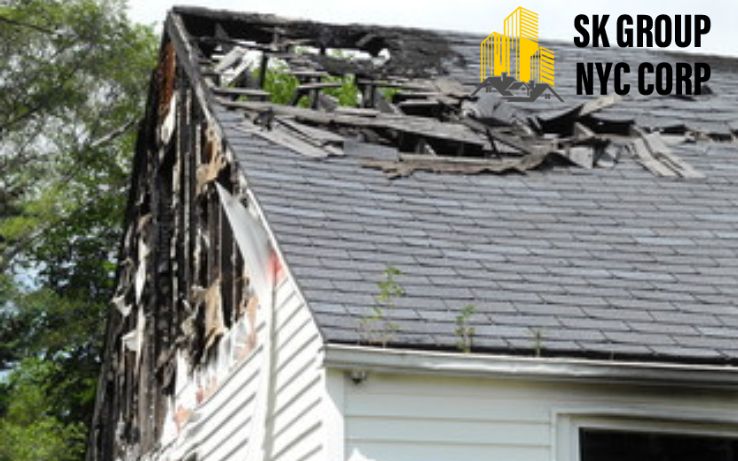
Wind, hail, fallen debris, and severe weather can damage shingles, flashing, and other roofing components. The extent and location of damage matter more than one isolated mark.
An Aging Roof With Multiple Problems
Age alone should not determine whether a roof is replaced. However, an older roof with recurring leaks, brittle shingles, widespread damage, and repeated repairs may justify comparing replacement with continued maintenance.
Roof Repair vs. Shingle Roof Replacement
The right choice depends on the extent of damage, overall roof condition, repair history, and long-term needs. Repair can make sense when a problem is isolated and the surrounding roof remains in good condition. Replacement becomes more reasonable when issues are widespread or recurring.
| Factor | Repair May Make Sense | Replacement May Make Sense |
|---|---|---|
| Damage | Small, isolated area | Damage across several areas |
| Leaks | One identifiable source | Repeated or multiple leaks |
| Shingles | Most remain serviceable | Widespread deterioration |
| Roof deck | No known major issue | Suspected or confirmed damage |
| Repair history | Few previous repairs | Repeated repairs with limited results |
| Long-term goal | Extend usable service temporarily | Address broader roofing-system concerns |
This table is a decision guide, not a diagnosis. A roof can look worn from the ground while still being repairable, and a relatively small visible problem can sometimes hide more serious damage underneath.
A professional roof inspection can help determine whether replacing roof shingles across the entire roof is justified or whether targeted repair is more appropriate.
How Much Does Shingle Roof Replacement Cost?
There is no universal shingle roof replacement cost because every roof has different dimensions, materials, access conditions, structural needs, and installation details.
The biggest cost factors include:
- Roof size: Larger roof areas require more shingles, underlayment, fasteners, labor, and disposal.
- Roof pitch and complexity: Steeper roofs, multiple levels, dormers, valleys, or complicated roof lines can increase labor and setup requirements.
- Shingle type: Asphalt shingles vary in design, quality, warranty terms, and price.
- Tear-off requirements: Removing the existing roofing system adds labor and disposal costs.
- Decking condition: Damaged or deteriorated roof decking may require repair or replacement after the old roofing is removed.
- Underlayment and flashing: Protective materials and flashing details can affect both cost and performance.
- Ventilation: Some projects require evaluation or modification of roof ventilation components.
- Property access: Limited access, landscaping, nearby structures, or difficult material placement can affect labor and logistics.
- Permits and local requirements: Requirements vary by location and project scope.
- Unexpected damage: Hidden moisture or deteriorated materials may become visible only after tear-off.
When comparing estimates, focus on the scope behind the price. A lower estimate may exclude decking repairs, certain flashing, cleanup, disposal, or other items included by another contractor.
What Happens During a Shingle Roof Replacement?
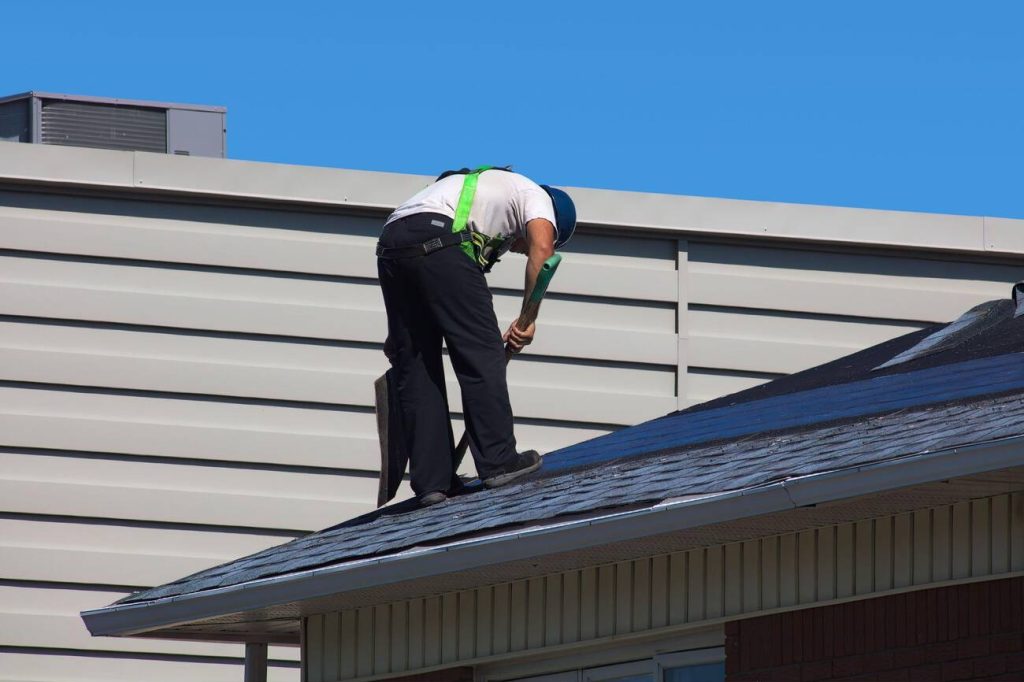
Homeowners researching how to replace roof shingles usually need to understand the professional process rather than perform the work themselves. Roofing involves fall hazards, weather exposure, and installation details that can affect the building below.
1. Roof Inspection and Estimate
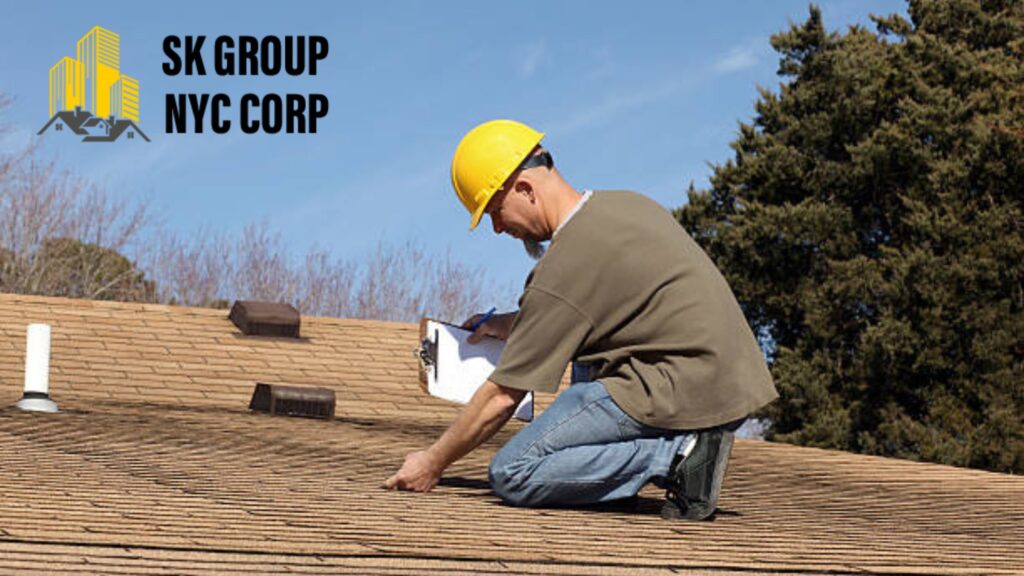
The contractor evaluates visible conditions, roof dimensions, access, penetrations, flashing, ventilation, and other relevant components. The estimate should clearly describe what is included.
2. Material Selection and Planning
The homeowner chooses appropriate shingles and reviews other specified materials. Delivery, project timing, property access, and protection plans should also be discussed.
3. Property Protection
Contractors may protect landscaping, siding, windows, driveways, and areas where removed roofing materials could fall.
4. Removal of Existing Roofing
Old shingles and other materials within the project scope are removed so the contractor can inspect what lies underneath.
5. Roof Deck Inspection and Repairs
The exposed decking is checked for visible deterioration or damage. If repairs are needed, the contractor should explain how they will be approved and priced.
6. Underlayment, Flashing, and Protective Components
Required protective layers and details are installed according to the roofing system, project specifications, manufacturer requirements, and applicable local requirements.
7. New Asphalt Shingle Installation
New asphalt shingles are installed with attention to layout, fastening, valleys, roof edges, and penetrations.
8. Ventilation and Detail Work
Roof vents, flashing, ridge details, and other components are completed as required by the project.
9. Cleanup and Final Inspection
Debris is removed, the site is cleaned, and the completed work is reviewed for outstanding items.
How Long Does Shingle Roof Replacement Take?
There is no single roof replacement timeline that applies to every property.
The schedule may be affected by roof size, pitch, complexity, weather, crew availability, material delivery, property access, hidden damage, decking repairs, inspections, and local requirements.
A straightforward asphalt shingle roof may progress quickly once work begins, while a more complicated roof can take longer. Weather is especially important because roofing materials should not be installed under unsuitable conditions.
Homeowners should ask contractors not only for an expected schedule but also what could cause delays and how weather or hidden damage will be handled.
Can New Shingles Be Installed Over Old Shingles?
In some situations, an additional shingle layer may be considered, but it is not automatically the best option.
Important factors include the condition of the existing roof, local requirements, manufacturer installation instructions, roof weight, flashing details, warranty implications, and the ability to inspect the decking.
A full tear-off provides access to the roof deck and makes it easier to evaluate hidden conditions. An overlay may limit that visibility. Homeowners should therefore ask why a contractor recommends one approach over the other and what trade-offs are involved.
How to Prepare Your Home for Roof Replacement
A little preparation can make installation day easier.
- Move vehicles away from the immediate work area.
- Secure patio furniture and outdoor objects.
- Protect fragile items that may be affected by vibration.
- Consider covering belongings stored in the attic.
- Expect significant construction noise.
- Keep children and pets away from work zones.
- Ask how landscaping will be protected.
- Confirm where materials and waste containers will be placed.
- Notify nearby neighbors if noise or access may affect them.
The contractor should explain how the property will be protected before work starts.
How to Choose a Roofing Contractor
Choosing the right roof contractor is about more than finding the lowest number on an estimate.
- Relevant Roofing Experience: Look for experience with asphalt shingle roofs and projects similar to your own.
- Licensing and Insurance: Verify applicable licensing, registration, and insurance requirements for your location.
- Detailed Written Scope: The estimate should explain what will be removed, installed, repaired, protected, and cleaned up.
- Materials and Specifications: Ask which shingles, underlayment, flashing components, and other materials are included.
- Warranty Information: Understand the difference between manufacturer material warranties and contractor workmanship warranties. Review actual written terms rather than relying on verbal summaries.
- Property Protection and Cleanup: Ask how landscaping, siding, driveways, and surrounding areas will be protected and how debris will be removed.
- Change Orders: Hidden damage can change the project. Know how additional work will be documented, priced, and approved before construction begins.
Questions to Ask Before Signing a Roof Replacement Contract
Before approving an asphalt shingle roof replacement, ask:
- What exactly is included in the estimate?
- Is removal and disposal of the old roofing included?
- How will damaged decking be handled?
- Which shingles and underlayment are specified?
- How are unexpected repairs approved and priced?
- Who will supervise the project?
- What warranty documents will I receive?
- How will cleanup and final inspection be handled?
These questions make it easier to compare estimates on equal terms rather than comparing only the total price.
How to Help Your New Shingle Roof Perform Well Long Term
Long-term performance starts with proper installation and a roofing system designed to work as a whole.
After replacement, homeowners should monitor for visible storm damage, address leaks promptly, keep drainage systems functioning, and follow applicable manufacturer maintenance guidance.
Ventilation also deserves attention because roofing performance is influenced by conditions above and below the roof deck. If the project includes changes to ventilation, ask the contractor to explain what is being installed and why.
Frequently Asked Questions About Shingle Roof Replacement
How often should roof shingles be replaced?
There is no universal replacement interval. Shingle type, installation quality, climate, ventilation, weather exposure, maintenance, and damage all influence roof condition. A professional inspection is more useful than replacing a roof solely because it has reached a certain age.
Can damaged shingles be repaired instead of replacing the entire roof?
Yes, isolated damage may sometimes be repairable. Replacement becomes more likely when deterioration is widespread, leaks recur, multiple areas have failed, or repairs no longer provide a practical long-term solution.
Does homeowners insurance cover shingle roof replacement?
Coverage depends on the policy and cause of damage. Storm-related losses may be treated differently from normal wear, age, maintenance issues, or excluded conditions. Homeowners should review their policy and confirm coverage directly with their insurer.
What time of year is best for roof replacement?
The ideal timing depends on local weather and installation conditions. Contractors typically plan roofing work around safe working conditions and manufacturer requirements rather than one universally “best” season.
Does roof decking always need to be replaced?
No. Decking replacement depends on its condition. Some roofs may require limited repairs, while others may have more extensive deterioration. The deck is usually easier to evaluate accurately after existing roofing materials are removed.
Final Thoughts
A successful shingle roof replacement starts with the right diagnosis and a clearly defined scope. Begin with an inspection, compare repair with replacement, understand what each estimate includes, evaluate materials, verify the contractor’s qualifications, and document how unexpected work will be handled.
The goal is not simply to install new shingles. It is to create a complete roofing system that addresses the condition of the roof beneath them, protects vulnerable details, and gives the homeowner a clear understanding of the work being performed.
Have Questions? Call Us Now!
+1 (718) 507-7000
We’re here to help quick answers, friendly service, anytime you need!
Contact SK Group NYC
🌐 Website: www.skgroupnyccorp.com
📍 Serving: Manhattan, Brooklyn, Queens, The Bronx, and Staten Island
📍 Address: 87-88 172nd St, Jamaica, New York, NY, United States, New York