A well-designed outdoor space can completely transform the way you use your property. Whether you want a comfortable backyard retreat, an outdoor dining area, or a stylish entertainment space, paver patios offer one of the most durable and customizable solutions available.
Unlike traditional concrete slabs, paver patios are built using individual stones installed over a properly prepared foundation. This installation method allows for greater design flexibility, easier repairs, and improved long-term performance when installed correctly.
For NYC homeowners, choosing the right patio solution is especially important. Outdoor spaces often need to handle seasonal temperature changes, drainage challenges, limited space, and heavy everyday use. A professionally designed paver patio can provide a beautiful outdoor area while adding long-term value to your property.
This complete guide explains everything you need to know about paver patios, including materials, design ideas, installation steps, maintenance, benefits, and expert considerations before starting your project.
What Are Paver Patios?
Paver patios are outdoor living areas constructed using individual paving stones placed over a compacted base system. These pavers can be made from materials such as concrete, brick, natural stone, or porcelain and are arranged in different patterns to create functional and attractive outdoor spaces.
The installation process typically includes:
- Excavating the patio area
- Preparing a compacted stone base
- Adding bedding sand
- Installing patio pavers
- Filling joints with polymeric sand
- Compacting and finishing the surface
Unlike poured concrete, which creates one continuous surface, paver patios use separate units. This allows individual stones to be replaced if damage occurs and provides more flexibility against minor ground movement.
Why Choose Paver Patios for Your Outdoor Space?
Homeowners choose paver patios because they provide a balance of appearance, durability, and functionality. A properly installed patio is not just a decorative feature—it becomes an extension of your living space.
Long-Lasting Durability
One of the biggest advantages of paver patios is their ability to withstand years of outdoor exposure.
Quality patio pavers are designed to handle:
- Foot traffic
- Outdoor furniture
- Weather changes
- Temperature fluctuations
- Everyday residential use
With proper installation and maintenance, a paver patio can last several decades.
The key factor is not only the quality of the pavers but also the installation process. A strong base, proper grading, and effective drainage are essential for preventing shifting, sinking, and uneven surfaces.
Better Performance in Changing Weather Conditions
Outdoor surfaces experience constant environmental stress. Freeze-thaw cycles, moisture, and soil movement can affect patio performance over time.
Paver patios offer an advantage because individual pavers can slightly adjust to natural movement instead of developing large cracks like some concrete surfaces.
For NYC properties, proper drainage and base preparation are especially important because seasonal weather changes can impact outdoor hardscape surfaces.
Flexible Design Options
One of the reasons paver patios remain popular is the almost unlimited design potential.
Homeowners can customize:
- Colors
- Shapes
- Patterns
- Borders
- Textures
- Layout styles
Whether your preference is modern, traditional, rustic, or luxury outdoor design, patio pavers can be arranged to match your home’s architecture.
Popular Paver Patio Designs and Ideas
The best patio design depends on your available space, lifestyle, and overall property style.
Modern Paver Patio Designs
Modern outdoor spaces often feature:
- Large-format pavers
- Neutral colors
- Straight lines
- Minimal patterns
These designs create a clean and sophisticated appearance that works well with contemporary homes.
Small Backyard Paver Patio Ideas
A smaller outdoor area can still become a highly functional space with the right planning.
Popular ideas include:
- Compact dining patios
- Built-in seating areas
- Garden pathways connected to patios
- Small fire pit areas
- Multi-level patio layouts
Professional design helps maximize limited outdoor space while maintaining comfort and visual appeal.
Brick Paver Patio Designs
A brick paver patio provides a timeless look that complements traditional homes, gardens, and landscaped properties.
Brick pavers are known for:
- Classic appearance
- Natural color variation
- Strong durability
- Traditional charm
They remain a popular choice for homeowners who want an elegant and established outdoor style.
Outdoor Entertainment Areas
Many homeowners design paver patios around outdoor activities.
Common features include:
- Fire pits
- Outdoor kitchens
- Dining areas
- Seating walls
- Landscape lighting
A well-planned patio can turn an unused backyard into a comfortable entertainment area.
Types of Patio Pavers and Materials
Choosing the right paver material plays an important role in your patio’s appearance, durability, maintenance, and overall performance. Each material offers different benefits, allowing homeowners to select the best option based on their style, budget, and outdoor needs.
Concrete Pavers
Concrete pavers are one of the most popular patio choices because they are affordable, durable, and available in many colors, shapes, and patterns. They provide excellent design flexibility and can create the look of premium materials while remaining a practical option for residential outdoor spaces.
Brick Pavers
Brick pavers offer a classic and timeless appearance that works well with traditional homes and landscaped areas. Their natural colors, durability, and low maintenance requirements make them a long-lasting choice for homeowners who prefer a warm and elegant patio design.
Natural Stone Pavers
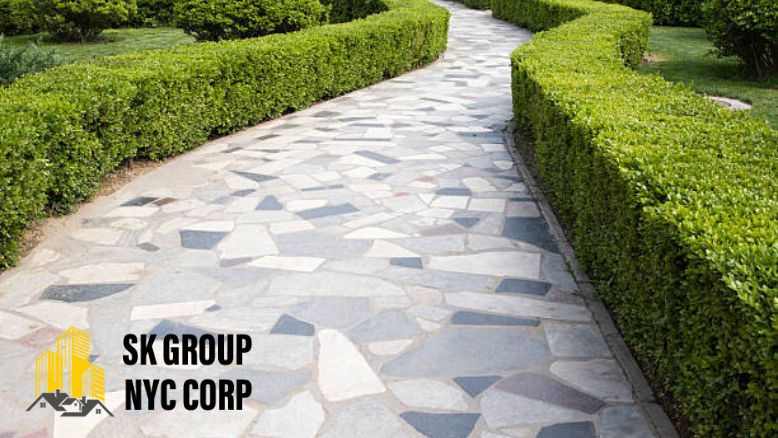
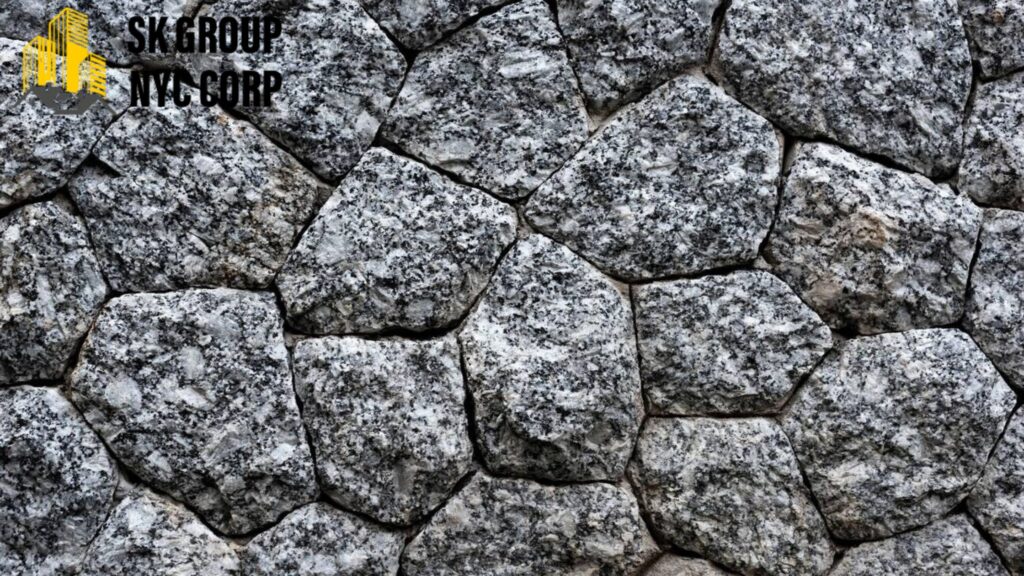
Natural stone pavers create a premium outdoor look with unique textures and natural variations in every piece. Options like bluestone, granite, and travertine are popular for homeowners seeking a high-end patio design with lasting beauty and durability.
Porcelain Pavers
Porcelain pavers are a modern option known for their sleek appearance, low maintenance, and resistance to stains. They are ideal for contemporary outdoor spaces where homeowners want a clean, stylish, and durable patio surface.
Paver Patio vs Concrete Patio: Which Is Better?
Both materials can create attractive outdoor spaces, but they have different advantages.
| Feature | Paver Patio | Concrete Patio |
|---|---|---|
| Durability | Highly durable when properly installed | Durable but may develop cracks |
| Design Options | Extensive colors, patterns, and styles | More limited customization |
| Repairs | Individual pavers can be replaced | Repairs may require patching |
| Maintenance | Low maintenance with occasional care | Low to moderate maintenance |
| Appearance | Premium and customizable | Simple, uniform appearance |
| Long-Term Value | Strong outdoor investment | Depends on condition and upkeep |
For homeowners who want customization, easier repairs, and a premium appearance, paver patios are often the preferred choice.
How Is a Paver Patio Installed?
A successful paver patio installation requires careful planning, proper preparation, and expert workmanship. Many patio issues, such as shifting, sinking, or poor drainage, happen because the foundation is not prepared correctly.
Planning and Site Evaluation
Before installation begins, professionals assess the patio location, soil conditions, drainage needs, design preferences, and material selection. Proper planning ensures the patio is built for long-term stability and performance.
Excavation and Ground Preparation
The installation area is carefully excavated to create space for the foundation layers. This process removes unstable soil and prepares the ground for a strong and reliable patio base.
Installing the Paver Patio Base
The base is one of the most important parts of the patio system. A properly installed paver patio base typically includes compacted crushed stone or gravel layers that provide support, stability, and proper drainage.
Adding Bedding Sand
A layer of bedding sand is placed over the compacted base to create a smooth and level surface. This allows the pavers to be positioned accurately while maintaining proper alignment.
Installing Patio Pavers
The selected pavers are carefully installed according to the chosen design pattern. Professional installers focus on proper spacing, leveling, alignment, and secure placement to create a durable and visually appealing surface.
Joint Sand and Final Finishing
After the pavers are installed, polymeric sand is added between the joints to improve stability and help prevent weed growth. Final steps may include compaction, cleaning, and sealing to enhance the patio’s appearance and long-term durability.
How Much Maintenance Do Paver Patios Need?
One advantage of paver patios is that they require relatively little maintenance.
Recommended care includes:
- Regular sweeping
- Removing stains quickly
- Cleaning with appropriate products
- Replacing joint sand when necessary
- Applying sealer when recommended
Routine maintenance helps preserve both appearance and structural performance.
Are Paver Patios Worth the Investment?
Yes, paver patios are considered a valuable outdoor improvement because they combine functionality, durability, and design flexibility.
A professionally installed patio can provide:
- A comfortable outdoor living area
- Improved property appearance
- A better space for entertaining
- Long-term usability
The value of a patio is not only measured by cost—it is also measured by how much enjoyment and functionality it adds to your property.
At SK Group NYC Corp, the focus is on creating professionally installed outdoor spaces with proper preparation, quality materials, and designs that match each homeowner’s needs.
Frequently Asked Questions
What are paver patios?
Paver patios are outdoor surfaces made from individual paving stones installed over a prepared foundation. They provide a durable and customizable alternative to traditional concrete patios.
How long do paver patios last?
A properly installed paver patio can last 25–50 years or more with regular maintenance.
What is the best base for a paver patio?
A compacted crushed stone or gravel base is commonly used because it provides stability, drainage, and support.
Are paver patios better than concrete?
Paver patios offer more design flexibility and easier repairs, while concrete may have a lower upfront cost. The best choice depends on your goals and property needs.
Can I install a DIY paver patio?
Small DIY projects are possible, but professional installation is recommended for larger patios because proper grading, compaction, and drainage are critical.
How much does a paver patio cost?
The cost depends on patio size, material selection, design complexity, site preparation, and labor. For a detailed pricing breakdown, homeowners can review a dedicated paver patio cost guide.
Final Thoughts
Paver patios are one of the most versatile ways to improve an outdoor living area. With a wide range of materials, designs, and installation options, they allow homeowners to create spaces that are both beautiful and built to last.
From small backyard upgrades to complete outdoor entertainment areas, the right combination of quality pavers, proper foundation preparation, and professional installation can transform your property.
For NYC homeowners planning a durable and attractive outdoor upgrade, working with an experienced patio installation company like SK Group NYC Corp can help ensure your paver patio is designed and built for long-term performance.
Have Questions? Call Us Now!
+1 (718) 507-7000
We’re here to help quick answers, friendly service, anytime you need!
Contact SK Group NYC
🌐 Website: www.skgroupnyccorp.com
📍 Serving: Manhattan, Brooklyn, Queens, The Bronx, and Staten Island
📍 Address: 87-88 172nd St, Jamaica, New York, NY, United States, New York