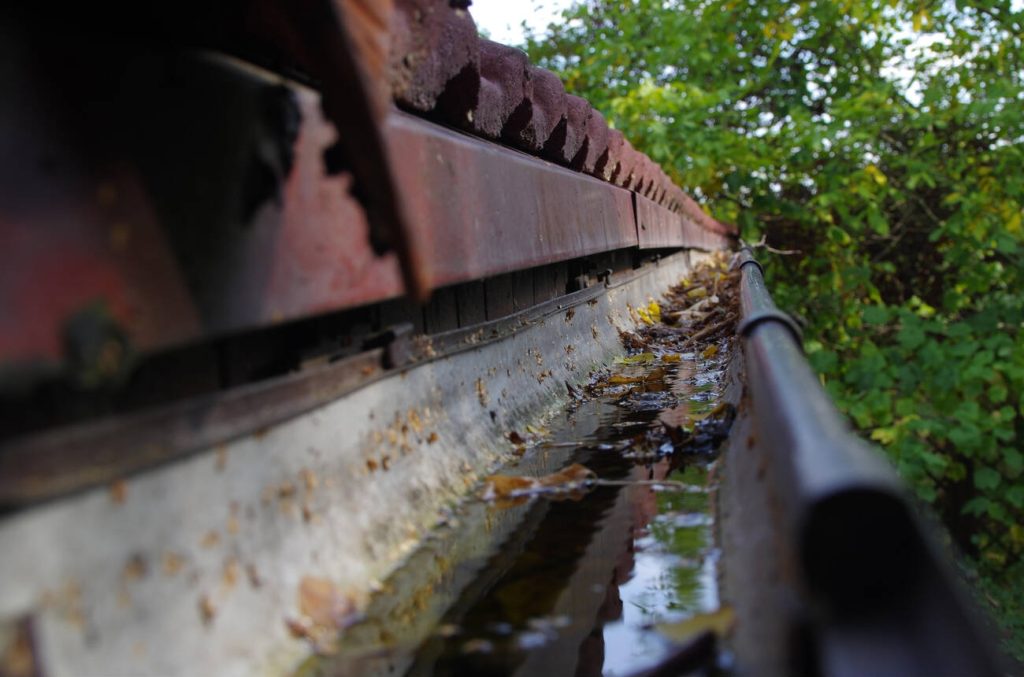
Best Gutter guards can reduce leaves, pine needles, and other debris entering your gutters, but buying the wrong type can create new problems. A guard that blocks small particles might collect leaves on top, while a simple screen may let pine needles through. Neither option fixes poor drainage or damaged gutters.
For many homes, stainless steel micro-mesh guards offer the best balance of debris protection and water flow. Metal screens can be a lower-cost choice where broad leaves are the main concern. This guide compares realistic options, explains when each works, and shows which mistakes are worth avoiding.
Which Gutter Guards Are Worth Considering?
The best choice depends on what clogs your gutters, whether you want to install the guard yourself, and the condition of your current system. These products represent different approaches rather than a universal ranking.
| Guard | Best suited for | Main advantage | Main limitation |
|---|---|---|---|
| LeafFilter | Professional micro-mesh installation | Filters fine debris | Higher installed cost |
| Raptor | DIY micro-mesh protection | Good filtration at a DIY price | Careful cutting and fitting |
| Waterlock | Another DIY micro-mesh choice | Strong debris blocking | Fit varies by gutter style |
| A-M Gutter Guard | Basic aluminum screen protection | Affordable, sturdy construction | Fine debris may enter |
| Leafguard | Replacing an entire gutter system | Integrated covered design | High upfront investment |
LeafFilter: For Professional Installation
LeafFilter uses a fine stainless steel mesh fitted over existing gutters. In published testing, This Old House reported strong debris filtration and water flow. It can be a practical option for homeowners who have tall houses or want an installer to handle the work.
The drawback is the cost. Debris can also sit on top of its mesh, especially beneath trees. Professional installation does not mean the system will never need inspection or cleaning.
Raptor and Waterlock: For DIY Micro-Mesh
Raptor and Waterlock offer micro-mesh products for homeowners who prefer adding protection to existing gutters. This Old House’s testing highlighted their ability to block small debris. Raptor’s stainless steel mesh is useful where pine needles and shingle grit are common, while Waterlock offers several configurations.
Neither should be purchased without checking the gutter profile and product dimensions. DIY installation involves accurate measurements and secure fitting. A loose or bent section can reduce the benefit of a good screen.
A-M and Leafguard: Different Buying Needs
A-M offers an aluminum screen option that may suit homes with mostly broad leaves. Its larger openings can be less effective against tiny seeds and pine needles, but the design may be adequate when fine debris is uncommon.
Leafguard takes a different approach: it supplies an integrated, reverse-curve gutter system rather than a simple add-on screen. Consider it when replacing aging gutters, not automatically when your existing gutters are healthy. Replacing the whole system is a bigger purchase.
What Actually Makes a Guard Work?
A good guard must keep debris out while allowing enough water into the gutter. Opening size, surface shape, strength, and installation all matter. Fine mesh helps block needles, seeds, and roof grit. Wider metal screens stop leaves but can let small particles through.
Reverse-curve guards guide rainwater around a curved edge. Foam and brush inserts sit inside the gutter and may catch debris where it is harder to remove. These designs can work in some situations, but they are not interchangeable with mesh or screen systems.
Look beyond advertising claims. Ask whether leaves tend to slide off the guard or collect on top, whether the material resists bending, and whether water can enter during a heavy downpour. A strong product fitted at the wrong angle may still allow water to overshoot the gutter.
Match the Guard to Your Trees and Weather
Large Leaves and Twigs
If your yard has oak or maple trees, a sturdy aluminum screen may provide enough protection. Its larger holes allow water through while stopping much of the broad debris. Micro-mesh is also suitable, especially if the trees drop small seeds along with leaves.
Either design may need surface cleaning in fall. Check roof valleys, where leaves often pile up and stop rainwater from reaching the gutter.
Pine Needles and Fine Debris
Pine needles slip through many basic screens. Micro-mesh is usually the stronger choice when pine trees, small seeds, or roof grit cause repeated clogs. Compare fine-mesh products based on frame quality and installation requirements rather than assuming all mesh performs identically.
Needles can still gather above the mesh. Periodic cleaning remains important even when the gutter interior stays relatively clear.
Heavy Rain, Snow, and Ice
For heavy rain, look at the entire drainage path, not just the guard. Gutter width, roof pitch, downspout size, and existing clogs affect whether water can enter and drain properly. Guards tested under simulated rainfall offer useful evidence, but real roofs and storms vary.
In cold regions, ice may form along the gutter edge or on the guard. Gutter guards do not prevent every ice dam; insulation, ventilation, and roof conditions also matter. Ask a qualified contractor to inspect recurring overflow or winter drainage problems before buying.
What to Avoid When Shopping
Choosing the Cheapest Insert for Heavy Debris
Foam and brush inserts look convenient because they fit inside many gutters. However, they may trap dirt, needles, and leaves among their openings or bristles. Removing that buildup can require taking out the inserts, defeating the goal of easier maintenance.
These are not always bad products. They simply need to match the debris conditions and the amount of cleaning you are willing to do.
Buying Before Measuring
Measure your gutter width and identify its shape before ordering. Check whether the guard works with your roof edge and how it attaches. A section that fits poorly can leave gaps, lift in wind, or interrupt water flow.
Do not lift shingles or alter roof materials unless the manufacturer’s instructions and relevant roof requirements allow it. An installation mistake can create problems beyond the gutter itself.
Trusting “Never Clean Again” Promises
Guards reduce debris entering gutters; they do not remove leaves from your roof. Dirt may collect on top, and downspouts can still block. Inspect the system after major storms and during heavy leaf-fall periods.
Covering Up Existing Drainage Problems
If gutters sag, leak, overflow, or slope the wrong way, repair them first. Flush the downspouts and check whether water reaches the outlet. Adding a guard over a damaged system can hide the problem without fixing it.
How Much Do Gutter Guards Cost?
Price depends on the material, number of linear feet, roof accessibility, labor, and whether repairs are needed. DIY materials generally cost less upfront than systems sold with professional installation, but their prices vary widely by design.
For perspective, This Old House’s October 2026 comparison listed A-M screens at roughly $1.50 per linear foot, Raptor at $140 for 48 linear feet, and Waterlock around $6 per linear foot. These are example product prices, not installed quotes, and retailers may charge differently.
Its separate 2026 survey of 1,000 homeowners reported an average professionally installed price of about $39.71 per linear foot. That figure reflects a mix of purchased systems and should not be treated as a guaranteed local rate. Quotes can differ significantly by property.
Request an itemized estimate showing materials, labor, cleaning, old-guard removal, repairs, and warranty terms. Compare the actual systems offered, not just their final prices. A cheaper option that needs frequent cleaning may not save as much as expected.
DIY or Professional Installation?
DIY installation can make sense for accessible, straightforward gutters and products specifically made for homeowners. Read the instructions, confirm sizing, and avoid working from ladders or roofs if you cannot do so safely.
Professional help is more appropriate for two-story homes, steep roofs, difficult corners, damaged gutters, or systems requiring specialized fitting. A qualified installer can also identify weak attachments, blocked downspouts, and drainage issues before the guards go on.
Ask whether a warranty covers materials only or also includes installation and service. Some warranty terms change based on where or how a product is installed.
Five Checks Before You Spend Money
- Identify the debris. Broad leaves and fine pine needles call for different opening sizes. Look at what actually collects in your gutters.
- Inspect existing gutters. Sagging sections, leaks, and blocked downspouts need attention before guards are installed.
- Check the fit. Confirm gutter size, roof-edge compatibility, and the manufacturer’s attachment method.
- Plan for cleaning. Find out how to remove debris from the top and how to inspect the gutter below.
- Read the warranty. Check exclusions for clogs, installation mistakes, weather damage, and service visits.
These checks are more useful than choosing a brand solely because it promises less maintenance.
Are Gutter Guards Worth It?
They can be worth the cost when nearby trees cause repeated clogs, gutters are difficult to reach, or cleaning is frequent and expensive. A suitable guard may reduce debris buildup and lower the number of cleanings you need.
But homeowners with few trees and little debris may find periodic cleaning more economical. If the gutters already overflow because of poor slope or undersized downspouts, fix those problems before spending money on guards.
Think about the total cost of ownership: purchase, installation, future cleaning, and possible repairs. The best value is a system that solves your specific problem, not automatically the most expensive product.
Frequently Asked Questions
Which Gutter Guards Are Best for Pine Needles?
Micro-mesh guards are generally better for pine needles than basic screens because their smaller openings keep more fine debris out. Needles may still collect above the guard, so occasional surface cleaning is important.
Will Gutter Guards Stop Overflow During Heavy Rain?
Not necessarily. Properly fitted guards can help keep debris from blocking water entry, but overflow can still occur if gutters are too small, downspouts are clogged, or intense rain exceeds the system’s capacity.
Do Micro-Mesh Guards Need Cleaning?
Yes. Leaves, grit, and other debris may accumulate on their surface even when the gutter interior stays cleaner. Inspect them after storms and heavy leaf fall, and follow the manufacturer’s cleaning guidance.
Are Metal Guards Better Than Plastic?
Metal guards often offer better strength and weather resistance, but material quality and design matter more than the label alone. Compare durability, fit, and the kind of debris the product is built to handle.
Should I Replace Gutters Before Adding Guards?
Only if the gutters are worn, damaged, or unable to drain correctly. Healthy, compatible gutters may simply need cleaning and properly fitted guards. Repair leaks and drainage faults before installation.
Final Recommendation
For fine debris and pine needles, start by comparing well-fitted stainless steel micro-mesh guards. For mostly large leaves, a durable aluminum screen may be sufficient at a lower price. Consider a complete covered system only if replacing the gutters also makes sense.
No guard removes every maintenance task. Check your home’s debris, drainage, roof access, and installation costs before buying. A realistic choice can reduce clogs without creating unnecessary expense.
Have Questions? Call Us Now!
+1 (718) 507-7000
We’re here to help quick answers, friendly service, anytime you need!
Contact SK Group NYC
🌐 Website: www.skgroupnyccorp.com
📍 Serving: Manhattan, Brooklyn, Queens, The Bronx, and Staten Island
📍 Address: 87-88 172nd St, Jamaica, New York, NY, United States, New York