Searching for roofing services near me usually means you need more than a list of contractors. You may have a leak, missing shingles, storm damage, an aging roof, or another problem that needs professional attention. The real challenge is deciding which local roofing company is qualified, dependable, and right for your property.
A reliable roofer should inspect the issue, explain the findings clearly, recommend an appropriate solution, document the work, and communicate well. Instead of choosing the first company in local search results, compare roofers based on experience, insurance, reputation, workmanship, and warranties.
What Services Do Local Roofing Companies Provide?
Professional roofing companies often provide much more than complete roof replacement. The right service depends on the type of roof, its age and condition, the source of the problem, and the extent of any damage.
Common residential roofing services include:
- Roof inspections
- Leak detection and repair
- Missing or damaged shingle replacement
- Flashing repair
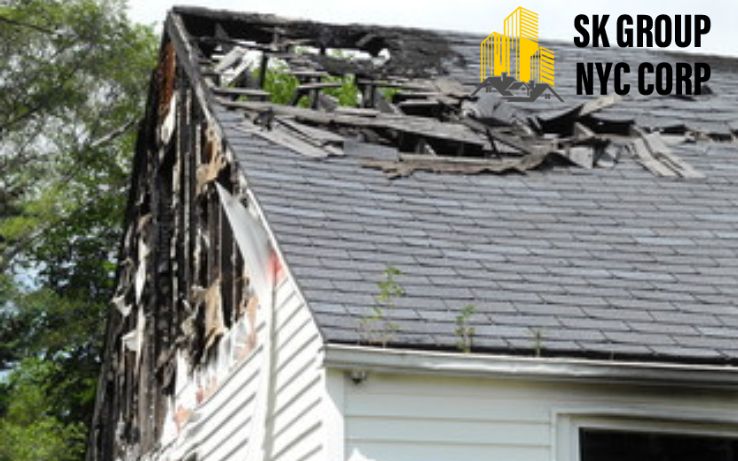
- Storm and wind damage repair
- Emergency roof protection
- Roof maintenance
- Flat roof repair
- Roof ventilation work
- Roof replacement
- New roofing installation
When comparing roofing services near me, look for contractors who first diagnose the problem rather than immediately recommending the largest possible project.
For example, water entering near a chimney may be caused by deteriorated flashing rather than a failure of the entire roofing system. On a low-slope roof, standing water may point to drainage or membrane problems. A qualified roofer should investigate the cause before discussing the solution.
Signs You Should Call a Roofing Professional
Not every roofing problem begins with water dripping from the ceiling. Some warning signs develop gradually and are easier to address before they become more serious.
Contact a roofing professional if you notice:
- Missing, cracked, curled, or lifted shingles
- Water stains on ceilings or walls
- Damp areas in the attic
- Damaged flashing around chimneys, skylights, or vents
- Loose roofing materials after strong winds
- Granules collecting in gutters
- Visible sagging
- Ponding water on a flat or low-slope roof
- Recurring leaks in the same area
- Damage following a storm
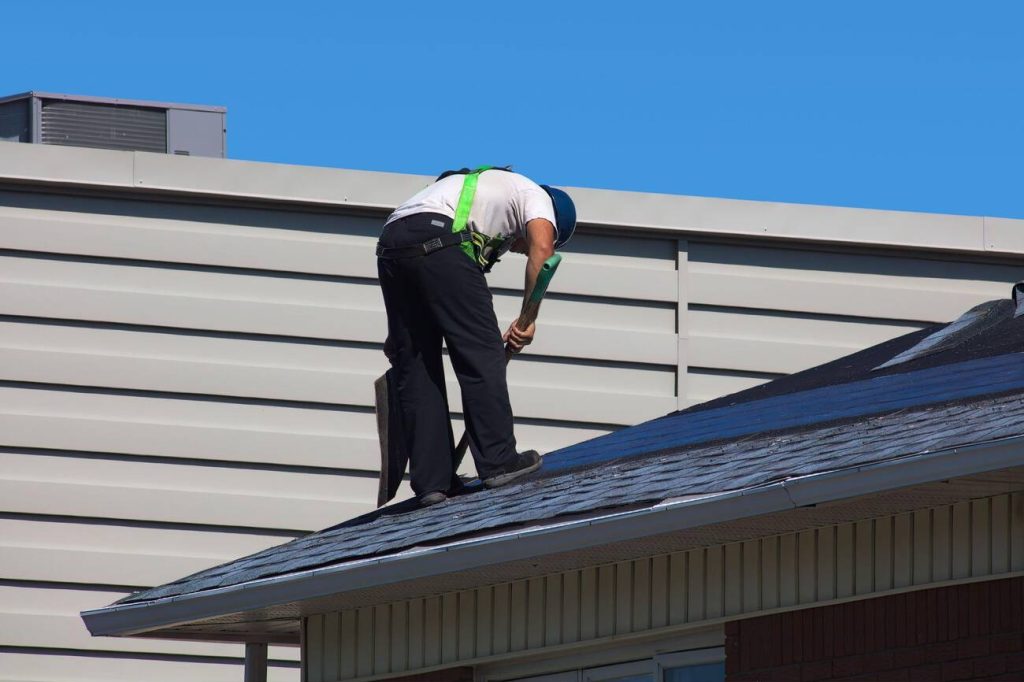
Avoid climbing onto the roof to investigate the problem yourself. Roofing surfaces can be unstable, slippery, or difficult to access safely. Professional roofers should use suitable access equipment and proper fall-protection procedures.
Why Local Roofing Experience Matters
Local roofing experience can be especially valuable because roofs are exposed to conditions that vary by region.
A contractor who regularly works in the area may be more familiar with common weather patterns, roofing materials, property types, drainage challenges, and local construction practices.
In New York City, for example, roofing work can involve everything from pitched asphalt-shingle roofs on residential properties to low-slope or flat roofing systems on multifamily and commercial buildings. Different systems require different inspection and repair methods.
Local familiarity may also help when permits, building requirements, or inspections apply to a particular roofing project. Requirements vary, so property owners should always confirm what applies to their specific location and scope of work.
How Do I Choose the Right Roofing Company Near Me?
If you are searching for roofing services near me, use clear qualification criteria instead of choosing a contractor based only on search position, advertising, or proximity.
A strong roofing company should be able to show relevant experience, provide appropriate insurance documentation, inspect the roof properly, explain its findings, and give you a clear written scope of work.
Verify Licensing Requirements and Insurance
Licensing and registration rules differ by state and local jurisdiction. Ask the contractor what requirements apply in your area and verify credentials through the appropriate authority when needed.
Insurance is equally important.
Ask for evidence of general liability insurance and, where applicable, workers’ compensation coverage. Roofing work involves height, tools, materials, and potential property damage, so verbal assurances are not enough.
Confirm Experience With Your Roof Type
Not every roofer works equally often with every roofing system.
Ask whether the company has experience with your roof type, which may include:
- Asphalt shingles
- Flat or low-slope roofing
- Modified bitumen systems
- Metal roofing
- Roof membranes
- Skylights and roof penetrations
- Chimney and flashing details
A knowledgeable contractor should be able to explain how the roofing system functions and where failures commonly occur.
What Should a Professional Roof Inspection Include?
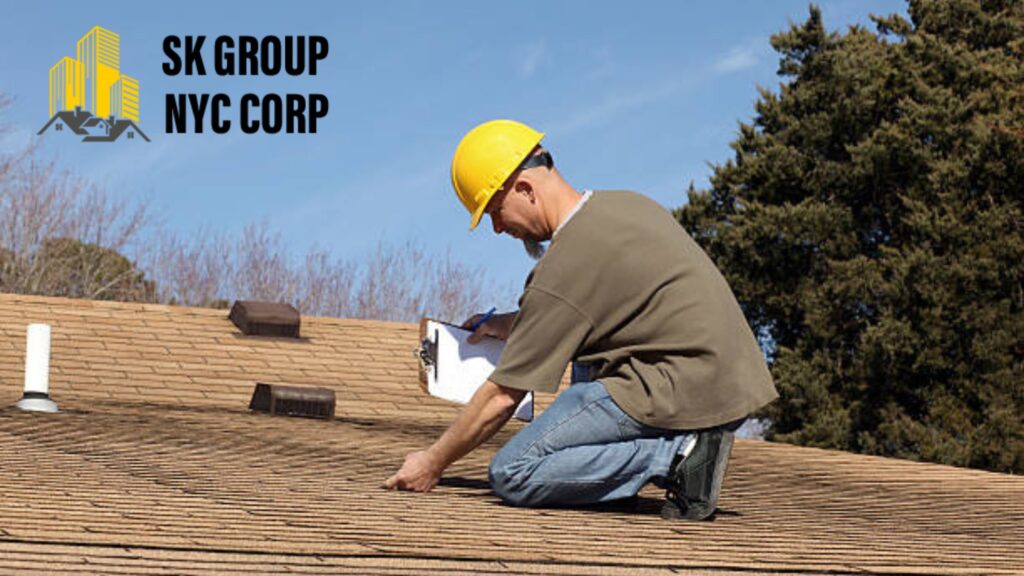
A professional inspection should go beyond looking at the roof from the street.
Depending on the property, access, and safety conditions, the roofer may examine:
- Roofing surfaces
- Shingle condition
- Flashing
- Roof penetrations
- Chimneys
- Valleys
- Vents
- Seams
- Drainage areas
- Gutters
- Low-slope membrane conditions
- Signs of moisture intrusion
The interior may also provide important clues. Attic moisture, staining, poor ventilation, or daylight visible through damaged areas can help identify the source and extent of a roofing problem.
After the inspection, the contractor should explain what was found and why a particular repair or replacement approach is being recommended.
Be cautious if a major roof replacement is suggested without a meaningful inspection or explanation.
Read Roofing Reviews More Carefully
Online reviews can be useful, but the overall star rating should not be your only consideration.
Read several detailed reviews and look for recurring patterns.
Pay attention to comments about:
- Communication
- Punctuality
- Roof inspection quality
- Workmanship
- Property protection
- Cleanup
- Problem resolution
- Follow-up service
A five-star review that simply says “great company” tells you less than a detailed review explaining how the contractor handled a leak, communicated during the project, and resolved an issue afterward.
Also look for consistency. A company with a believable mix of detailed reviews often provides more useful information than a profile filled with repetitive or unusually vague praise.
Ask for a Clear Written Scope of Work
A written scope is one of the most important documents in a roofing project.
When comparing roofing services near me, do not compare companies only by what they say during an initial conversation. Compare what they actually document.
A written roofing scope may include:
- Areas being repaired or replaced
- Roofing materials
- Underlayment
- Flashing work
- Ventilation work
- Removal of damaged materials
- Installation methods
- Cleanup responsibilities
- Warranty information
- Project responsibilities
Clear documentation reduces misunderstandings and gives you something concrete to review before the work begins.
Roofing Materials Matter, but Installation Matters More
Homeowners often focus on the visible roofing material, but the performance of a roof depends on the entire system.
For example, asphalt shingles may perform poorly if flashing is installed incorrectly, roof ventilation is inadequate, or water is allowed to enter around penetrations.
Similarly, a flat roof may experience problems if seams, drainage points, penetrations, or membrane transitions are not handled properly.
Ask your contractor why a particular material or repair method is appropriate for your property.
An experienced roofer should be able to explain the relationship between roofing material, slope, drainage, flashing, ventilation, and installation technique in straightforward language.
Compare Roofing Contractors Using This Checklist
| What to Check | What a Reliable Roofer Should Provide | Warning Sign |
|---|---|---|
| Licensing | Required credentials where applicable | Avoids credential questions |
| Insurance | Verifiable coverage | Only verbal promises |
| Local experience | Knowledge of local roofs and conditions | Little evidence of relevant work |
| Inspection | Clear examination and explanation | Recommends major work immediately |
| Roof-system knowledge | Experience with your roofing material | Generic answers |
| Written scope | Specific work details | Vague paperwork |
| Communication | Clear answers and expectations | Difficult to contact |
| Materials | Explains why materials are suitable | Cannot justify recommendations |
| Warranty | Written coverage information | Unclear or verbal-only promises |
| Reviews | Detailed, consistent customer feedback | Suspicious review patterns |
| Safety | Appropriate equipment and procedures | Casual approach to roof safety |
What Questions Should I Ask Before Hiring a Roofer?
Good questions reveal how a roofing contractor approaches the work.
What did you find during the inspection?
The contractor should be able to identify the problem and explain the likely cause.
Have you worked on this type of roofing system?
Relevant experience matters, especially with flat roofing, specialty materials, or complex flashing.
What exactly will the project include?
Ask for a written scope rather than relying on a verbal description.
What insurance coverage do you carry?
Request documentation when appropriate.
Who will be my main point of contact?
Clear project communication can prevent confusion once work begins.
How will you protect the property during the work?
Ask about landscaping, walkways, exterior surfaces, and cleanup.
What workmanship warranty is provided?
Understand what is covered, for how long, and whether any conditions apply.
These questions help turn a broad search for roofing services near me into a more informed comparison between qualified local providers.
Roofing Contractor Red Flags You Should Not Ignore
Some warning signs should make you slow down before hiring.
Be cautious if a contractor:
- Pressures you to make an immediate decision
- Avoids providing insurance information
- Will not explain the roof problem clearly
- Recommends extensive work without a proper inspection
- Refuses to provide written project details
- Cannot explain roofing materials or methods
- Has no clear business contact information
- Makes unrealistic guarantees
- Avoids warranty questions
- Uses aggressive sales tactics
- Shows little concern for jobsite safety
Professional roofing contractors should be willing to answer reasonable questions. Clear communication is not an extra feature. It is part of a well-managed roofing project.
Why Choosing a Local Roofing Company Can Help
A local roofing company may offer practical advantages beyond shorter travel distance.
Local roofers are often more familiar with roofing systems commonly used in the area, regional weather conditions, local property styles, and recurring roof problems.
For NYC property owners, that may include experience with flat and low-slope roofs, roof drainage, flashing around penetrations, multifamily buildings, and other roofing conditions commonly found in dense urban environments.
Companies such as SK Group NYC Corp can be evaluated alongside other local contractors using the same standards: roofing experience, communication, insurance, inspection quality, documented scope, workmanship, and follow-up support.
Local presence is useful, but it should never replace proper contractor verification.
Do Not Choose a Roofer Based on One Factor
Some homeowners choose the closest contractor. Others choose the company with the most reviews or the most polished website.
None of these factors alone proves roofing quality.
Instead, consider the complete picture:
- Is the contractor experienced with your roofing system?
- Was the inspection thorough?
- Were the findings explained clearly?
- Is appropriate insurance available?
- Is the proposed work documented?
- Are materials and methods explained?
- Is communication professional?
- Are warranty terms understandable?
A roofing contractor who performs well across these areas is usually a stronger choice than one who simply ranks first in a local search.
FAQs About Roofing Services Near Me
How do I find reliable roofing services near me?
Start with local roofing companies that provide clear business information and relevant roofing services. Then compare experience, insurance, inspection quality, customer feedback, written project details, workmanship practices, and warranty information. Avoid choosing a contractor solely because it appears first in search results.
What should I look for when hiring a roofing contractor?
Look for relevant roofing experience, appropriate insurance, required local credentials, a proper roof inspection, clear communication, written work details, suitable materials, safe work practices, and understandable warranty terms.
Should a roofing company be licensed and insured?
Insurance is an important consideration for roofing work. Licensing or registration requirements depend on the jurisdiction, so verify what applies in your city or state before hiring a contractor.
What services do local roofers usually provide?
Local roofing contractors may provide roof inspections, leak repairs, shingle replacement, flashing repair, flat-roof work, storm damage repair, maintenance, emergency protection, roof replacement, and new roof installation.
How can I tell if a roofer is trustworthy?
Look for consistency between the contractor’s promises and documentation. Reliable roofers should be able to explain their inspection findings, provide clear project information, verify appropriate insurance, communicate professionally, and answer questions without using unnecessary pressure.
Is hiring a local roofing company better?
A qualified local roofing company may understand regional weather, common roofing systems, local property types, and area-specific construction considerations. However, local presence alone is not enough. Always verify experience, insurance, workmanship, communication, and documentation.
What should happen before roofing work begins?
You should understand the roof condition, recommended work, materials, project scope, responsibilities, communication process, and warranty terms. Important details should be documented rather than left to verbal assumptions.
Choose a Local Roofer Based on Evidence
Searching for roofing services near me is a useful starting point, but your final decision should be based on much more than location.
Choose a roofing contractor who inspects the roof carefully, understands your roofing system, explains problems clearly, carries appropriate insurance, documents the proposed work, communicates professionally, and provides understandable workmanship and warranty information.
The best local roofing decision is not about finding the company closest to you. It is about finding a roofing professional whose experience, process, and documentation give you confidence before work begins.
Have Questions? Call Us Now!
+1 (718) 507-7000
We’re here to help quick answers, friendly service, anytime you need!
Contact SK Group NYC
🌐 Website: www.skgroupnyccorp.com
📍 Serving: Manhattan, Brooklyn, Queens, The Bronx, and Staten Island
📍 Address: 87-88 172nd St, Jamaica, New York, NY, United States, New York