A damaged retaining wall can affect the safety, drainage, and stability of a property. Cracks, leaning sections, bulging masonry, soil erosion, and water stains may indicate that the wall is no longer resisting the pressure behind it effectively.
Professional retaining wall repair addresses both the visible damage and its underlying cause. Replacing loose mortar or sealing a crack may improve the surface, but the damage may return if trapped water, soil movement, inadequate reinforcement, or footing failure remains unresolved.
For most property owners, the main question is whether the wall can be repaired or needs to be replaced. The answer depends on the wall’s material, height, condition, drainage system, foundation, surrounding soil, and proximity to buildings, sidewalks, or neighboring property.
This guide explains the warning signs of retaining wall damage, common causes of failure, available repair methods, cost factors, and what to consider when hiring a contractor.
What Is Retaining Wall Repair?
Retaining wall repair is the process of restoring, stabilizing, or rebuilding a wall that holds back soil on a raised or sloped section of property.
The scope of work can range from minor masonry repairs to complete structural reconstruction. Common repairs include:
- Crack sealing and masonry patching
- Mortar joint repointing
- Replacement of damaged brick, stone, block, or concrete
- Drainage pipe installation
- Weep-hole cleaning or replacement
- Gravel backfill installation
- Waterproofing
- Wall anchors or tiebacks
- Soil stabilization
- Partial reconstruction
- Complete retaining wall replacement
The appropriate repair method should be based on the cause of the damage, not only the wall’s appearance.
Warning Signs Your Retaining Wall Needs Repair
Retaining wall problems often develop gradually. Damage may become more noticeable after heavy rain, freezing weather, nearby excavation, or changes to landscaping.
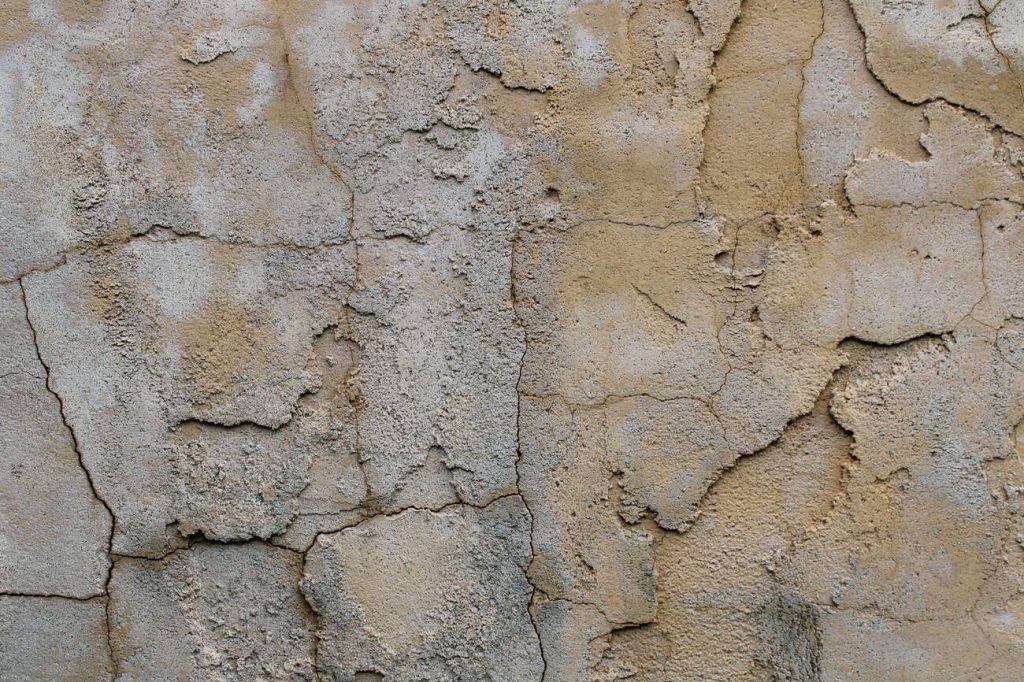
Cracks in Concrete, Brick, Block, or Mortar
Not every crack indicates structural failure. Small surface cracks can develop because of shrinkage, weather exposure, or normal material aging.
Cracks require closer attention when they:
- Increase in width or length
- Extend through several masonry units
- Follow a diagonal or stair-step pattern
- Reappear after previous repairs
- Allow water to pass through
- Occur with leaning or bulging
- Are wider at one end
- Develop near corners, stairs, or wall connections
A crack is often a symptom of movement rather than the main problem. Settlement, hydrostatic pressure, soil expansion, inadequate reinforcement, or footing movement may be responsible.
Sealing a crack without correcting the cause may provide only a temporary improvement.
Leaning or Rotating
A retaining wall should not visibly lean toward the lower side of the property.
Leaning often occurs when the pressure behind the wall exceeds its ability to resist movement. Possible causes include saturated soil, excessive loading, inadequate reinforcement, poorly compacted backfill, or a weak footing.
Both the amount of movement and the rate at which it is occurring matter. A wall that has moved recently or continues to shift should be inspected promptly.
Bulging or Bowing
Bulging occurs when part of the wall pushes outward while nearby sections remain closer to their original position.
This condition may be caused by concentrated soil pressure, trapped water, weakened masonry, corrosion of embedded steel, or deterioration within the wall.
Bulging is particularly important to assess in brick, concrete block, and stone walls because individual units may begin to separate, loosen, or lose support.
Separation Between Wall Sections
Gaps may form where the retaining wall meets:
- Steps
- Sidewalks
- Driveways
- Fences
- Patios
- Buildings
- Adjacent wall sections
- Wall caps
Separation may indicate that one section is settling or rotating independently.
A widening gap is generally more concerning than a stable construction joint. Cracked pavement, displaced stairs, or leaning railings near the wall may provide additional evidence of movement.
Water Stains and Efflorescence
Efflorescence is the white, powdery residue that sometimes appears on masonry. It forms when moisture passes through brick, stone, concrete, or block and leaves mineral salts on the surface.
Efflorescence does not always indicate structural failure, but it can show that moisture is moving through the wall.
Other signs of drainage problems include:
- Water flowing through cracks
- Damp areas that remain wet
- Blocked weep holes
- Staining below masonry joints
- Moss or plant growth
- Standing water above the wall
- Soil washing through openings
Persistent moisture can weaken mortar, contribute to concrete deterioration, increase soil pressure, and accelerate corrosion.
Soil Erosion and Settlement
The ground around a retaining wall can provide important evidence about its condition.
Warning signs include:
- Depressions or sinkholes behind the wall
- Washed-out soil
- Gaps beneath the wall
- Exposed footing areas
- Uneven landscaping
- Cracked pavement
- Settlement around stairs
- Soil passing through masonry joints
These conditions may indicate that water is removing or displacing the soil that supports the wall.
What Causes Retaining Walls to Fail?
Retaining wall failure is often caused by several conditions working together. Water, soil pressure, construction quality, wall age, and surrounding property loads all affect performance.
Poor Drainage
Inadequate drainage is one of the most common causes of retaining wall damage.
When water cannot escape from behind the wall, hydrostatic pressure develops. Saturated soil also becomes heavier, increasing the force against the structure.
Drainage problems may result from:
- Missing or damaged drainage pipe
- Clogged weep holes
- Insufficient gravel backfill
- Poor surface grading
- Downspouts discharging near the wall
- Blocked drainage outlets
- Failed waterproofing
Repairing the wall without correcting the drainage problem can lead to recurring damage.
Inadequate Footing
The footing supports the retaining wall and transfers its load into the ground.
If the footing is too shallow, too narrow, poorly reinforced, or installed on unstable soil, the wall may settle, rotate, or slide.
Footing problems can also develop when erosion removes supporting soil or repeated freeze-thaw cycles disturb the ground beneath the wall.
Soil Movement
Soil behavior changes with moisture.
Some soils expand when wet and shrink as they dry. Others lose strength when saturated. Poorly compacted backfill can also settle over time, creating uneven pressure against the wall.
Repeated soil movement may cause cracking, separation, leaning, or footing displacement.
Excessive Loads Above the Wall
The pressure behind a retaining wall increases when additional weight is placed above it.
Common surcharge loads include:
- Driveways
- Parked vehicles
- Buildings
- Patios
- Storage areas
- Mature trees
- Raised landscaping
A wall originally designed for light landscaping may not be capable of supporting a driveway, structure, or other substantial load.
Freeze-Thaw Damage
Water can enter cracks, joints, and porous masonry. When temperatures fall, the water freezes and expands.
Repeated freezing and thawing can widen cracks, loosen mortar, damage concrete surfaces, and weaken brick or stone. Poor drainage often makes this damage more severe.
Aging Materials
Construction materials deteriorate over time.
Mortar joints weaken, concrete cracks or spalls, reinforcement corrodes, and masonry units may become loose or fractured.
Older retaining walls may also lack modern drainage, reinforcement, or waterproofing systems. Age alone does not mean a wall must be replaced, but widespread deterioration can make repair less practical.
Poor Original Construction
A retaining wall depends on proper design, materials, drainage, and workmanship.
Common construction deficiencies include:
- Insufficient reinforcement
- Weak or incompatible mortar
- Poorly compacted backfill
- Missing drainage
- Inadequate footing dimensions
- Incorrect wall thickness
- Poor material selection
- Weak connections between wall sections
A wall may appear stable for years before these problems become visible.
Retaining Wall Repair Methods
The correct repair method depends on the type of damage and the condition causing it.
Crack Repair and Repointing
Small, stable cracks may be sealed or patched. Deteriorated mortar joints can be repaired through repointing, which involves removing loose mortar and replacing it with compatible new mortar.
Localized crack repair may be appropriate when:
- The wall remains structurally stable
- Movement is not continuing
- Drainage is functioning properly
- Damage is limited to a small area
- The footing remains sound
Crack filling should not be treated as a structural solution when the wall is actively moving.
Drainage Improvements
Drainage repairs may include:
- Installing perforated drainage pipe
- Replacing damaged or clogged drainage lines
- Adding gravel backfill
- Clearing or adding weep holes
- Redirecting downspouts
- Correcting surface grading
- Waterproofing the rear surface
- Improving drainage outlets
The objective is to reduce water pressure and direct moisture away from the wall safely.
In many retaining wall projects, drainage correction is as important as the masonry or structural repair.
Wall Anchors and Tiebacks
Some leaning or bowing retaining walls can be stabilized using anchors, tiebacks, or helical anchoring systems.
These systems connect the wall to stable soil behind it and help resist outward movement.
Anchoring is not suitable for every property. Soil conditions, wall material, access, utilities, property boundaries, and the extent of movement must all be evaluated. Structural engineering input may also be required.
Partial Reconstruction
When damage is limited to one area, partial reconstruction may be possible.
The affected section is dismantled and rebuilt. The contractor may also repair the footing, replace drainage materials, add reinforcement, and restore the backfill.
Partial rebuilding can be practical when the remaining wall is stable and the cause of failure is confined to a specific area.
Complete Replacement
Replacement may be necessary when the wall has:
- Severe leaning
- Significant bulging
- Failed footing
- Extensive cracking
- Widespread masonry deterioration
- Repeated unsuccessful repairs
- Inadequate original construction
- Major soil loss
- Large areas of displacement
Complete replacement may involve demolition, excavation, new footing construction, reinforcement, drainage installation, waterproofing, backfilling, and restoration of surrounding pavement or landscaping.
Retaining Wall Repair or Replacement?
The decision should be based on the wall’s structural condition, not only its appearance.
| Wall condition | Repair may be appropriate | Replacement may be necessary |
|---|---|---|
| Small, stable cracks | Yes | Rarely |
| Localized mortar deterioration | Yes | Rarely |
| Minor drainage problem | Often | Sometimes |
| Limited damage in one section | Often | Sometimes |
| Noticeable leaning | Possibly, after evaluation | Frequently |
| Bulging or major displacement | In limited cases | Often |
| Failed footing | Rarely | Usually |
| Widespread material failure | Sometimes | Often |
| Repeated unsuccessful repairs | Possibly | Often |
A wall that appears repairable from the front may have more serious problems behind it, including failed drainage, inadequate reinforcement, or footing movement.
Wall height, soil type, access, nearby structures, property lines, and loads above the wall can also affect the recommendation.
If the wall is leaning, separating, or affecting nearby steps, pavement, or fencing, a professional inspection can help determine whether repair, stabilization, or replacement is the most practical option.
How Much Does Retaining Wall Repair Cost?
Retaining wall repair cost depends on the scope of work, site conditions, wall material, and selected repair method.
Surface and Mortar Repairs
These repairs may include repointing, patching stable cracks, replacing loose masonry units, and repairing damaged wall caps.
They are generally less extensive because they do not require major excavation or structural reinforcement.
Localized Reconstruction
A damaged section may need to be dismantled and rebuilt.
Costs may increase when the work includes footing repair, replacement backfill, matching existing masonry, or protecting nearby property.
Drainage Repair
Drainage work may require excavation behind the wall, installation of gravel and pipe, waterproofing, and restoration of landscaping or pavement.
Restricted access can increase labor and equipment requirements.
Structural Stabilization
Anchors, tiebacks, reinforcement, soil stabilization, and engineering services may be required for a leaning or bowing wall.
The cost depends on the wall’s size, material, amount of movement, access, and soil conditions.
Complete Replacement
Full replacement is usually the most extensive option because it may include demolition, excavation, foundation construction, drainage, reinforcement, backfilling, debris removal, and site restoration.
Additional cost factors include:
- Wall height and length
- Construction material
- Access for workers and equipment
- Soil conditions
- Engineering requirements
- Permit requirements
- Protection of neighboring property
- Utility locations
- Debris disposal
- Sidewalk or driveway restoration
- Landscaping replacement
An on-site inspection is usually required for an accurate estimate.
A professional proposal should explain the cause of the damage, recommended repair method, materials, drainage work, site protection, cleanup, and exclusions.
Retaining Wall Repair in New York City
Retaining wall projects in New York City often involve conditions that require careful planning.
Common challenges include:
- Restricted access between buildings
- Shared or closely spaced property lines
- Nearby sidewalks and public areas
- Limited space for excavation equipment
- Protection of adjoining structures
- Older brick, stone, and concrete construction
- Water runoff from neighboring properties
- Utilities near the work area
- Stairs, fences, or pavement connected to the wall
Permit or engineering requirements may apply depending on the wall’s height, location, structural role, excavation depth, and proximity to adjoining buildings or public property.
A qualified contractor should evaluate the wall, drainage, access, surrounding structures, and water flow across the entire site.
Can You Repair a Retaining Wall Yourself?
Some minor maintenance tasks may be manageable for property owners. These may include removing visible debris from drainage outlets or monitoring a small, stable surface crack.
Structural retaining wall repair should not be treated as a routine do-it-yourself project.
Avoid attempting to:
- Push a leaning wall back into place
- Excavate behind an unstable wall
- Remove structural masonry without support
- Fill major cracks without identifying the cause
- Block drainage openings
- Add heavy loads above a damaged wall
- Remove supporting soil near the base
Excavation can change the pressure acting on the wall and may make an unstable condition more dangerous.
Large cracks, rapid movement, bulging, significant soil loss, or footing failure should be evaluated by an experienced retaining wall contractor or structural engineer.
How Professionals Inspect a Damaged Retaining Wall
A thorough inspection should include both the wall and the surrounding property.
The process may involve:
- Measuring leaning, bowing, or displacement
- Reviewing crack width, direction, and location
- Inspecting mortar joints and masonry units
- Checking wall caps and connections
- Examining weep holes and drainage outlets
- Reviewing grading and downspout discharge
- Looking for erosion, voids, or settlement
- Identifying loads above the wall
- Checking nearby stairs, fences, sidewalks, and foundations
- Determining whether excavation or engineering is required
Photographs and measurements may be used to monitor movement.
The purpose of the inspection is to identify the cause of the damage before recommending a repair.
How to Choose a Retaining Wall Repair Contractor
When comparing contractors, consider more than the lowest estimate.
A qualified contractor should be able to explain:
- Why the wall is damaged
- Whether the movement appears active
- How drainage will be addressed
- Whether the footing is involved
- Which repair method is recommended
- Whether engineering may be required
- How nearby property will be protected
- Which permits may be necessary
- What materials will be used
- What is included in the written estimate
When comparing results for retaining wall repair near me, look for contractors with experience in masonry, drainage, excavation, and structural stabilization.
Property owners in New York City may contact SK Group NYC Corp to discuss retaining wall, concrete, and masonry repair needs. Any proposed scope of work should be based on a physical inspection of the wall and surrounding site.
Be cautious of proposals that focus only on crack filling or surface coatings when the wall is visibly leaning, bulging, or separating.
Frequently Asked Questions
Can a cracked retaining wall be repaired?
Yes. Stable cracks and localized masonry damage can often be repaired through patching, repointing, or partial reconstruction. If active settlement, poor drainage, or excessive soil pressure caused the crack, the underlying problem must also be corrected.
Is a leaning retaining wall dangerous?
A leaning retaining wall can become a safety concern, particularly if movement is increasing or the wall is close to a building, driveway, sidewalk, or occupied area. It should be assessed promptly by a qualified contractor or structural engineer.
How long does retaining wall repair take?
The timeline depends on the wall’s size, condition, access, repair method, excavation requirements, permits, weather, and material availability. Minor masonry repairs may be completed relatively quickly, while stabilization or reconstruction requires more time.
Does retaining wall repair require a permit?
Permit requirements vary by location, wall height, excavation depth, structural scope, and surrounding property conditions. Structural rebuilding or replacement may require approval. Local requirements should be confirmed before work begins.
What is the most common cause of retaining wall failure?
Poor drainage is one of the most common causes. Trapped water increases pressure behind the wall and can weaken soil, mortar, concrete, and masonry. Footing problems, unstable soil, excessive loads, erosion, and poor construction may also contribute.
Is it better to repair or replace a retaining wall?
Localized, stable damage may be repairable. Severe leaning, failed footing, widespread deterioration, repeated movement, or major displacement may make replacement more practical. A site inspection is necessary to determine the appropriate solution.
Conclusion
Retaining wall repair should address more than visible cracks or deteriorated masonry. Water pressure, soil movement, erosion, footing problems, and loads above the wall must also be considered.
Small, stable defects may require only localized repair. Leaning, bulging, separation, drainage failure, or soil loss may indicate a more serious structural issue.
Early inspection can help limit further movement, protect surrounding property, and determine whether repair, stabilization, or replacement is the correct approach.
For retaining wall repair in New York City, SK Group NYC Corp can assess visible damage, drainage conditions, site access, and surrounding masonry before recommending an appropriate scope of work.
Have Questions? Call Us Now!
+1 (718) 507-7000
We’re here to help quick answers, friendly service, anytime you need!
Contact SK Group NYC
🌐 Website: www.skgroupnyccorp.com
📍 Serving: Manhattan, Brooklyn, Queens, The Bronx, and Staten Island
📍 Address: 87-88 172nd St, Jamaica, New York, NY, United States, New York