A built up roof is a multi-layer roofing system made by alternating bitumen with reinforcing sheets, then protecting the surface with gravel, a mineral cap sheet, or a reflective coating. Often called BUR, it is used mainly on flat and low-slope roofs where dependable waterproofing and durability matter.
Its main strength is redundancy. Several bonded layers provide backup protection, making BUR practical for commercial, industrial, and multifamily buildings.
How Does a Built Up Roof System Work?
A built up roof system is assembled over the roof deck with roofing asphalt or another approved bituminous adhesive between reinforcing felts. Each completed layer is called a ply.
Together, the plies form a thick membrane that resists water, punctures, temperature changes, and routine rooftop activity. Aggregate, a cap sheet, or a compatible coating protects the finished surface from sunlight and wear.
A BUR system still needs correct drainage. Repeated ponding around drains, curbs, penetrations, or low areas can shorten its life.
Main Layers of Built Up Roofing
A typical built up roofing system may include:
- Roof deck: The structural base, often steel, concrete, or wood.
- Vapor retarder: Controls moisture movement where indoor humidity is a concern.
- Insulation: Improves energy performance and may be tapered toward drains.
- Cover board or base sheet: Creates a stable surface over the insulation.
- Bitumen: Bonds the layers and provides waterproofing.
- Reinforcing plies: Fiberglass felts add strength and stability.
- Protective surfacing: Gravel, granules, or coating protects against UV exposure and wear.
Three-ply and four-ply systems are common, but design depends on the deck, traffic, climate, and manufacturer requirements.
Common Types of Built-Up Roofing
Hot-Asphalt Systems
Traditional BUR uses heated asphalt between reinforcing plies. It creates a strong bond but requires trained crews and careful safety controls. Odor management matters around occupied buildings and air intakes.
Cold-Applied Systems
Cold-applied systems use adhesive or mastic instead of heated asphalt. They can reduce fumes, but performance still depends on preparation, temperature, curing, and adhesive coverage.
Gravel-Surfaced and Smooth-Surfaced Systems
Gravel-surfaced roofs use aggregate embedded in asphalt. It protects against sunlight and light traffic but adds weight and may hide defects.
Smooth systems use a mineral cap sheet or coating. They are easier to inspect, although coatings need periodic evaluation.
Main Benefits of a Built Up Roof
The leading benefit of built-up roofing is multi-layer waterproofing. Several plies create a margin of protection that single-layer systems do not provide.
Other advantages include:
- Strong resistance to punctures and maintenance traffic
- Good UV protection when properly surfaced
- Reliable performance on large commercial roofs
- Durability around HVAC units and service areas
- Repairability when damage is isolated
- Fire-rated assembly options when properly designed
Poor workmanship at drains, walls, flashing, and penetrations can still shorten the life of an otherwise sound membrane.
Disadvantages and Limitations
Built-up roofing is heavier than many single-ply systems, so structural capacity should be reviewed.
Installation takes longer because several plies must be placed and bonded. Full tear-off also increases labor and disruption.
Hot-asphalt systems may create fumes, while gravel surfaces can make inspection harder. Leak diagnosis may also be difficult because water can travel between plies or through wet insulation before appearing indoors.
How Long Does a Built Up Roof Last?
A built-up roof commonly lasts about 15 to 25 years, and some well-maintained systems last longer. No lifespan should be treated as guaranteed.
Service life depends on installation quality, ply count, drainage, climate, traffic, flashing, maintenance, and early moisture detection.
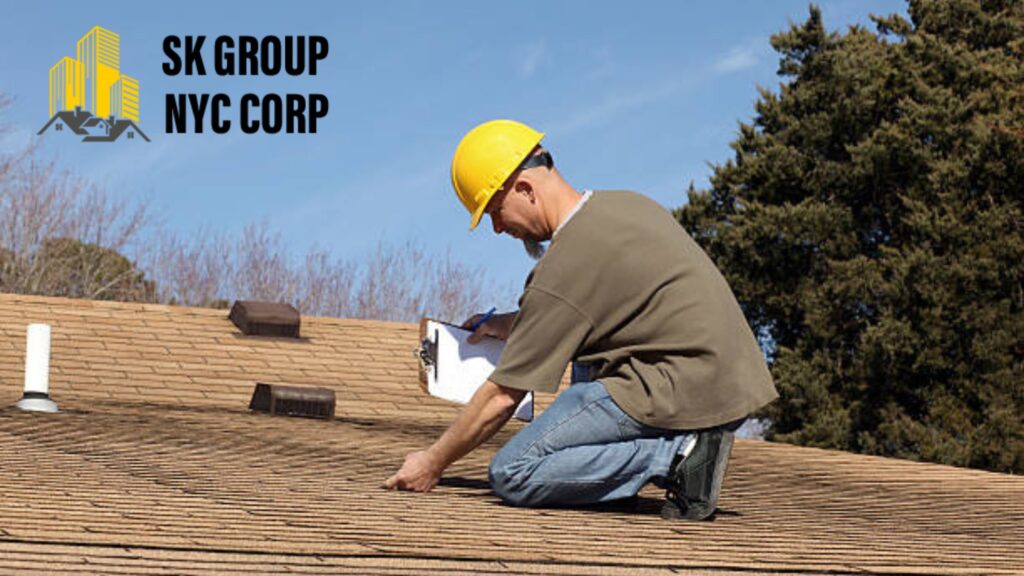
In New York City, freeze-thaw cycles, heavy rain, snow, rooftop equipment, and blocked drains place extra stress on low-slope roofs. A free roof inspection can help identify early warning signs such as membrane damage, drainage problems, or failing flashing before they become major repairs.
Built Up Roof Cost Factors
Built-up roofing cost varies widely. A simple recover over a dry, stable assembly may cost much less than a full tear-off involving wet insulation, damaged decking, drainage correction, and new flashing.
Major cost factors include:
- Roof size and number of plies
- Hot-applied or cold-applied installation
- Existing roof removal and disposal
- Deck, insulation, and drainage repairs
- Parapets, drains, curbs, and penetrations
- Roof access and staging
- Surface finish
- Local labor, permits, and disposal fees
Compare the complete scope, not only the final price. An accurate proposal normally requires an on-site inspection and, when moisture is suspected, core samples or a moisture survey.
Built Up Roof Repair: Common Problems
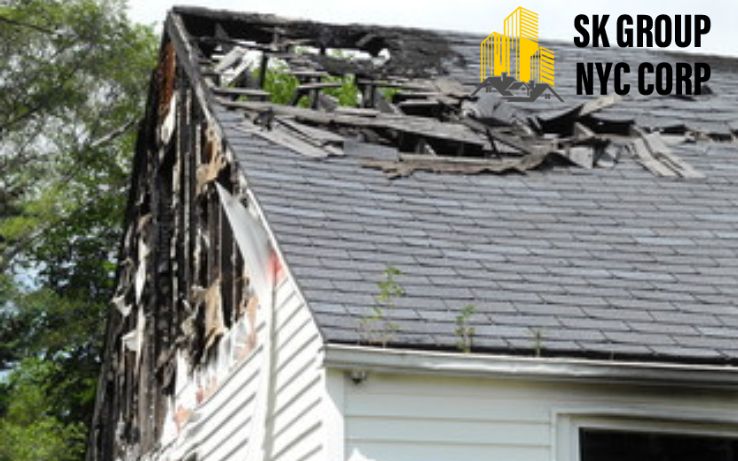
Common BUR problems include blisters, cracks, open laps, punctures, loose aggregate, damaged flashing, ponding water, and trapped moisture.
Blisters often form when air or moisture expands between layers. Cracks develop as asphalt ages and moves through repeated temperature changes.
Leaks frequently begin at flashing around walls, drains, equipment curbs, skylights, and pipe penetrations rather than in the open field. Professional roof leak repair can address these problem areas before moisture spreads into insulation or interior spaces.
When Repair May Be Enough
Localized built up roof repair may be appropriate when the surrounding membrane is sound and damage is limited to a puncture, blister, crack, open lap, or flashing defect.
Repairs should use compatible materials, and wet insulation should be removed rather than sealed inside.
When Replacement May Be Better
Replacement may be more practical when leaks recur in several areas, insulation is widely saturated, the deck is deteriorated, drainage is poor, or the roof already contains many patches.
SK Group NYC Corp can evaluate the membrane, flashing, drains, and moisture conditions before recommending repair, restoration, recovery, or replacement. The recommendation should be based on condition, not age alone.
Built-Up Roofing vs. Other Flat Roofing Systems
| Roofing System | Key Difference |
|---|---|
| Built-up roofing | Multiple asphalt-and-felt plies provide redundancy and puncture resistance. |
| Modified bitumen | Polymer-modified asphalt sheets offer flexibility and strength. |
| EPDM | A synthetic rubber membrane joined with adhesive or tape. |
| TPO | A heat-welded thermoplastic membrane often selected for reflectivity. |
| PVC | A heat-welded membrane suited to some grease and chemical exposures. |
No flat roofing system is best for every building. Understanding different roof material types homes can use helps property owners compare durability, maintenance needs, installation requirements, and long-term performance before choosing a solution.
How to Maintain a Built Up Roof
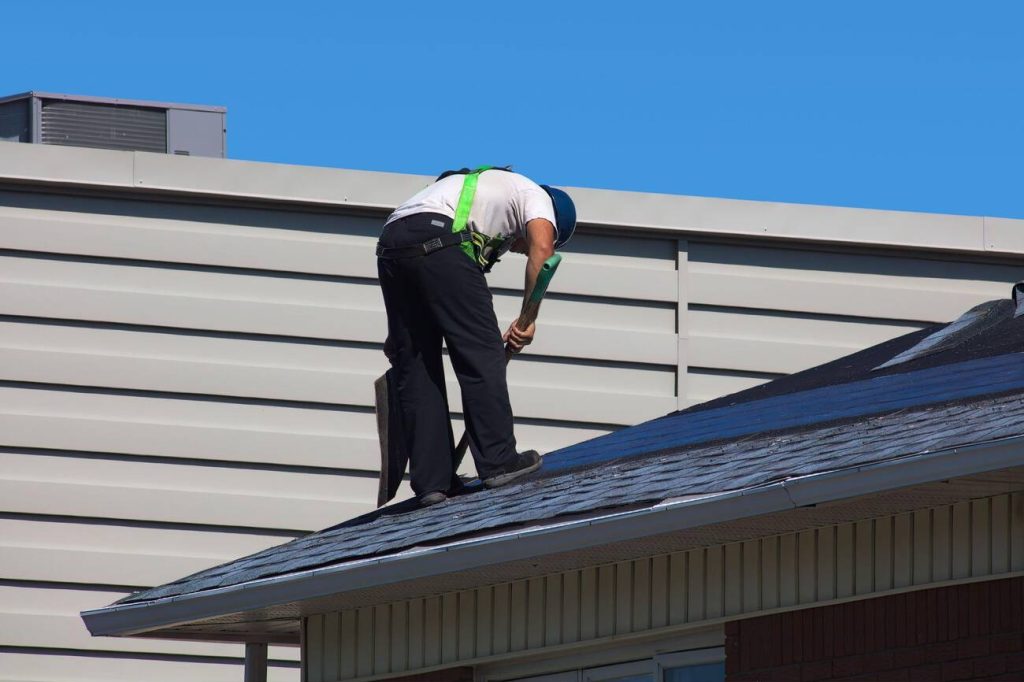
Inspect the roof at least twice a year and after major storms or rooftop construction.
Good maintenance includes:
- Clearing drains, gutters, and scuppers
- Removing debris without damaging the membrane
- Checking flashing around walls, curbs, and penetrations
- Monitoring ponding water after rain
- Replacing displaced aggregate
- Limiting unnecessary foot traffic
- Using walk pads near serviced equipment
- Repairing small defects promptly
- Keeping photos and repair records
Mechanical contractors should not drag tools or equipment across the roof; many punctures occur during service work.
Is a Built Up Roof Right for Your Building?
BUR can be a strong choice for a flat or low-slope building that needs a durable, multi-layer membrane. It is particularly useful where rooftop traffic, service equipment, and puncture resistance matter.
It may be less suitable when weight, odor, access, or installation speed are major concerns.
A qualified roofing professional should inspect the deck, insulation, drainage, flashing, existing membrane, and roof access before recommending a system.
Frequently Asked Questions
What Is Another Name for Built-Up Roofing?
Built-up roofing is commonly called BUR. It is also known as tar-and-gravel roofing, although modern systems may use mineral cap sheets or reflective coatings instead.
How Many Layers Are in a Built-Up Roof?
Many built-up roofs use three or four reinforcing plies. The full assembly may also include insulation, a base sheet, bitumen, flashing, and protective surfacing.
Can a Built-Up Roof Be Repaired?
Yes. Small punctures, cracks, blisters, open laps, and flashing defects can often be repaired. Moisture spread should be checked before work begins.
Is Built-Up Roofing Suitable for Residential Properties?
It can be used on residential flat and low-slope roofs, especially multifamily buildings and extensions. Weight, access, drainage, and code requirements should be reviewed first.
What Causes Built-Up Roofs to Leak?
Common causes include failed flashing, blocked drains, ponding water, open laps, punctures, cracks, and poorly sealed penetrations. Indoor stains may not sit directly below the defect.
Is a Built Up Roof a Good Long-Term Choice?
A built up roof remains a dependable option for many flat and low-slope buildings because its reinforced plies create durable, redundant waterproofing. Its main tradeoffs are weight, installation time, drainage sensitivity, and the need for skilled workmanship.
The best decision follows a proper roof assessment. Deck condition, trapped moisture, insulation, flashing, structural capacity, and drainage should all be evaluated before choosing repair, recovery, or replacement.
Have Questions? Call Us Now!
+1 (718) 507-7000
We’re here to help quick answers, friendly service, anytime you need!
Contact SK Group NYC
🌐 Website: www.skgroupnyccorp.com
📍 Serving: Manhattan, Brooklyn, Queens, The Bronx, and Staten Island
📍 Address: 87-88 172nd St, Jamaica, New York, NY, United States, New York