Asphalt driveway maintenance is the routine care that helps slow cracking, surface wear, water damage, and premature pavement failure. Asphalt naturally hardens and loses flexibility over time, but sunlight, vehicle loads, temperature swings, and delayed repairs accelerate the process. The most effective approach is practical: inspect the surface, keep it clean, repair suitable cracks early, protect the edges, and correct drainage problems before they weaken the base.
This guide explains what property owners can manage themselves, when sealcoating makes sense, and when professional evaluation is the better investment.
What Is Asphalt Driveway Maintenance?
Asphalt driveway maintenance is the ongoing process of inspecting, cleaning, protecting, and repairing an asphalt surface so it remains safe and serviceable. It includes debris removal, stain treatment, crack repair, drainage control, edge protection, sealcoating evaluation, and timely professional repairs.
The goal is to reduce avoidable damage and identify structural problems early.
Why Asphalt Driveways Crack and Deteriorate
Water Infiltration
Water enters open cracks, reaches lower pavement layers, and can weaken the supporting base. In cold climates, trapped moisture freezes, expands, thaws, and moves again. This freeze-thaw cycle places repeated pressure on the surrounding asphalt.
Sunlight and Oxidation
UV exposure and oxidation gradually dry the asphalt binder. The surface fades, becomes brittle, and loses flexibility. Oxidized pavement is less able to absorb movement caused by temperature changes and vehicle loads.
Fading alone does not mean failure, but fading combined with raveling, where stones loosen from the surface, deserves attention.
Vehicle Weight and Weak Edges
Vehicles stress the same areas repeatedly, especially where drivers turn, park, or enter from the street. Heavy trucks, trailers, dumpsters, and construction equipment create concentrated loads that residential pavement may not be designed to support.
Unsupported edges can crack and crumble under repeated vehicle traffic.
Poor Drainage or Base Failure
Standing water, sinking sections, rutting, and recurring cracks may point to deeper damage. Runoff can erode soil beside the driveway or weaken the aggregate base beneath it.
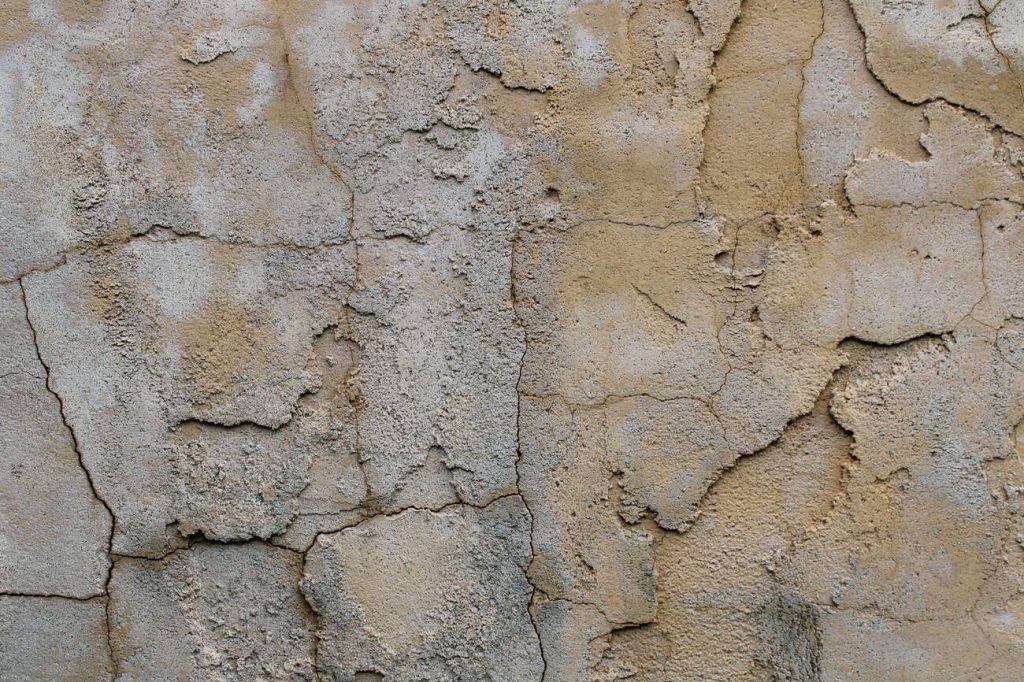
Alligator cracking, which forms a network of connected lines, often indicates structural failure. Filling those cracks or coating over them may improve appearance briefly, but it will not restore a failed base.
Essential Asphalt Driveway Maintenance Tasks
Effective asphalt driveway maintenance depends more on timing than frequent treatment.
Inspect the Surface Regularly
Walk the driveway every few months and after severe weather. Look for new cracks, potholes, depressions, loose aggregate, oil stains, weeds, crumbling edges, and areas where water remains after rain.
Check the garage entrance, street connection, downspout discharge points, and turning areas. Track changes over time. Widening cracks or persistent low spots need attention.
Keep the Driveway Clean
Routine asphalt driveway cleaning prevents leaves, soil, and organic debris from trapping moisture. Sweep regularly and keep drains and low areas clear.
Treat oil or fuel spills promptly with an asphalt-safe cleaner. Avoid harsh solvents, and remove weeds with as much root material as possible.
Repair Small Cracks Promptly
Minor driveway crack filling may be appropriate when a crack is narrow, isolated, stable, and limited to the surface. Remove dirt, vegetation, and loose material first. The crack should be clean and dry before applying a compatible asphalt repair product.
Follow product directions for temperature, application depth, and curing. Wide, recurring, sunken, or interconnected cracks may indicate base movement and need professional evaluation.
Protect Edges and Correct Drainage
Keep soil and landscaping materials from washing away beside the driveway. Maintain support along the edges and prevent vehicles from repeatedly crossing narrow or crumbling sections.
Water should move away from the pavement. Check downspouts, gutters, slopes, drains, and soil buildup. A depression that remains wet after nearby pavement dries may indicate settlement. Persistent ponding can require grading, drainage correction, or structural repair.
Asphalt Driveway Maintenance Schedule
Use these intervals as flexible starting points based on climate, traffic, age, drainage, and condition.
| Maintenance Task | Suggested Frequency | What to Check | When to Call a Professional |
|---|---|---|---|
| Visual inspection | Every few months and after severe weather | Cracks, potholes, settlement, edge damage | Damage is spreading or appears structural |
| General cleaning | Monthly or as needed | Leaves, soil, weeds, blocked drains | Drainage remains blocked after cleaning |
| Oil stain treatment | As soon as practical | Fresh spills, softened asphalt | The surface has softened or broken apart |
| Crack repair | When suitable cracks appear | Width, depth, movement, recurring patterns | Cracks are deep, connected, or returning |
| Drainage inspection | Seasonally and during heavy rain | Ponding, low spots, runoff direction | Water is causing settlement or erosion |
| Sealcoating evaluation | Every few years or as conditions change | Oxidation, coating wear, surface stability | Structural damage is extensive |
When Should an Asphalt Driveway Be Sealcoated?
Asphalt sealcoating places a protective coating over a suitable surface. It can improve appearance and provide some protection from oxidation, sunlight, moisture, and minor chemical exposure. It does not repair potholes, stabilize a failed base, or restore structural strength.
Cracks and damaged areas should be repaired before driveway sealing. Sealcoat applied over active cracking, loose pavement, or settlement may hide symptoms briefly without correcting the cause.
New asphalt also needs adequate curing time. Correct timing depends on the mix, climate, surface condition, previous coatings, and product instructions. Annual sealcoating is not automatically beneficial. Excess buildup can peel or flake, so evaluate the pavement rather than following a rigid calendar.
Seasonal Asphalt Driveway Care
Climate affects maintenance timing. In New York and other Northeast locations, freeze-thaw cycles, snow removal, and heavy rain deserve particular attention.
Spring
Inspect for winter cracks, plow damage, loose edges, and depressions. Clear drains and watch runoff during spring storms, especially near the garage threshold and street connection.
Summer
Warm, dry weather often suits repairs when product requirements are met. Avoid concentrated loads such as trailer jacks, motorcycle stands, or dumpsters on heat-softened pavement. Sharp stationary turns can also scuff newer asphalt.
Fall
Remove leaves, clear gutters, and address suitable cracks before repeated freezing begins. Redirect downspouts and make sure runoff is not collecting near weak edges.
Winter
Use snow-removal equipment carefully. A metal blade can catch open cracks, patches, or uneven pavement. Limit unnecessary deicing chemicals and avoid piling snow where meltwater will repeatedly cross the driveway or refreeze in depressions.
Common Asphalt Driveway Maintenance Mistakes
Common mistakes can shorten pavement life or waste money:
- Ignoring small cracks: Openings allow water to reach deeper layers.
- Applying sealcoat over damage: Coating cannot correct potholes, movement, or base failure.
- Sealing too frequently: Excess material may peel, flake, or build up unevenly.
- Allowing standing water: Ponding accelerates deterioration and may reveal settlement.
- Parking heavy vehicles near weak edges: Concentrated loads can break unsupported pavement.
- Using unsuitable materials: Products made for concrete or roofing may not perform correctly on asphalt.
- Treating structural failure as a surface defect: Repeated patching may hide symptoms while deeper damage spreads.
DIY Maintenance vs. Professional Asphalt Repair
Homeowners can often handle sweeping, basic stain treatment, vegetation removal, routine inspection, and minor crack filling when the pavement is stable.
Professional evaluation is more appropriate for alligator cracking, recurring cracks, large potholes, sinking sections, widespread rutting, drainage failure, edge collapse, or suspected base deterioration.
Property owners in New York City may contact SK Group NYC Corp when they are unsure whether the appropriate solution is crack repair, drainage correction, resurfacing, or reconstruction. The most economical treatment is usually the one that addresses the cause rather than the most visible symptom.
Repair, Sealcoat, Resurface, or Replace?
Choose the treatment according to the depth and extent of damage:
- Repair: Isolated cracks, small potholes, and limited defects where surrounding pavement remains stable.
- Sealcoating: Surface protection for sound or moderately aged pavement, not structural restoration.
- Resurfacing: A new asphalt layer when surface deterioration is widespread but the base remains stable.
- Replacement: Removal and rebuilding when severe structural or base failure is present.
Appearance can mislead. Resurfacing is unlikely to last when the supporting base continues to move.
How to Extend the Life of an Asphalt Driveway
Consistent preventive care gives asphalt pavement the best chance of lasting longer:
- Keep the surface and drainage paths clean.
- Repair suitable cracks before they widen.
- Prevent water from flowing beneath the pavement.
- Maintain support along vulnerable edges.
- Limit prolonged heavy loads where possible.
- Evaluate sealcoating according to actual condition.
- Investigate recurring defects instead of repeatedly covering them.
- Address drainage and structural problems before they spread.
Driveway lifespan also depends on installation quality, base preparation, traffic, drainage, climate, and previous repairs.
Final Thoughts
Good asphalt driveway maintenance is based on consistent inspection and timely action, not constant coating or repeated cosmetic repairs. Keeping the surface clean, managing drainage, repairing suitable cracks, and protecting weak edges can slow deterioration and reduce preventable damage.
The central principle is simple: address the cause of damage, not only its appearance. Small surface defects may be manageable, but recurring cracks, standing water, settlement, and widespread deterioration deserve professional attention.
If your driveway has persistent cracking, sinking areas, drainage problems, or signs of base failure, SK Group NYC Corp can evaluate the pavement and recommend a repair approach suited to the site.
Frequently Asked Questions
How often should an asphalt driveway be maintained?
Inspect it every few months and after severe weather. Clean it as needed, repair cracks promptly, check drainage seasonally, and evaluate sealcoating based on surface condition rather than a fixed yearly schedule.
Does sealcoating prevent asphalt cracks?
No. Sealcoating can reduce surface damage from sunlight, moisture, and minor spills, but it cannot stop all cracking or repair structural problems. Cracks, potholes, and base damage should be repaired before sealing.
What is the best season for asphalt driveway maintenance?
Late spring through early fall is usually best. Dry weather and suitable temperatures help crack fillers and sealcoating cure properly. Spring is also a good time to inspect winter damage and drainage problems.
Can homeowners repair small asphalt cracks?
Yes. Narrow, isolated cracks can often be filled with a suitable asphalt crack repair product. The crack must be clean and dry. Wide, recurring, sunken, or connected cracks should be inspected professionally.
Does my driveway need resurfacing or replacement?
Resurfacing may work when the surface is worn but the base remains stable. Replacement is more likely when there is severe alligator cracking, sinking, recurring potholes, drainage failure, or widespread structural damage.
Contact SK Group NYC
🌐 Website: www.skgroupnyccorp.com
📍 Serving: Manhattan, Brooklyn, Queens, The Bronx, and Staten Island
📍 Address: 87-88 172nd St, Jamaica, New York, NY, United States, New York