Choosing between a metal roof vs shingles is not simply a matter of selecting the cheaper material. Homeowners should also consider lifespan, maintenance, weather performance, appearance, energy efficiency, installation requirements, and long-term value.
Asphalt shingles remain a practical choice for homeowners who want a familiar appearance and a lower initial investment. Metal roofing costs more upfront, but a properly designed and installed system may provide a longer service life and require fewer full replacements.
The best choice depends on your property, budget, roof design, local climate, and how long you expect to own the home.
Metal Roof vs Shingles: Quick Answer
A metal roof is usually the better choice for homeowners who want maximum durability, a longer lifespan, and lower replacement frequency. Asphalt shingles are often the better option for homeowners looking for a lower upfront cost and a traditional roof appearance.
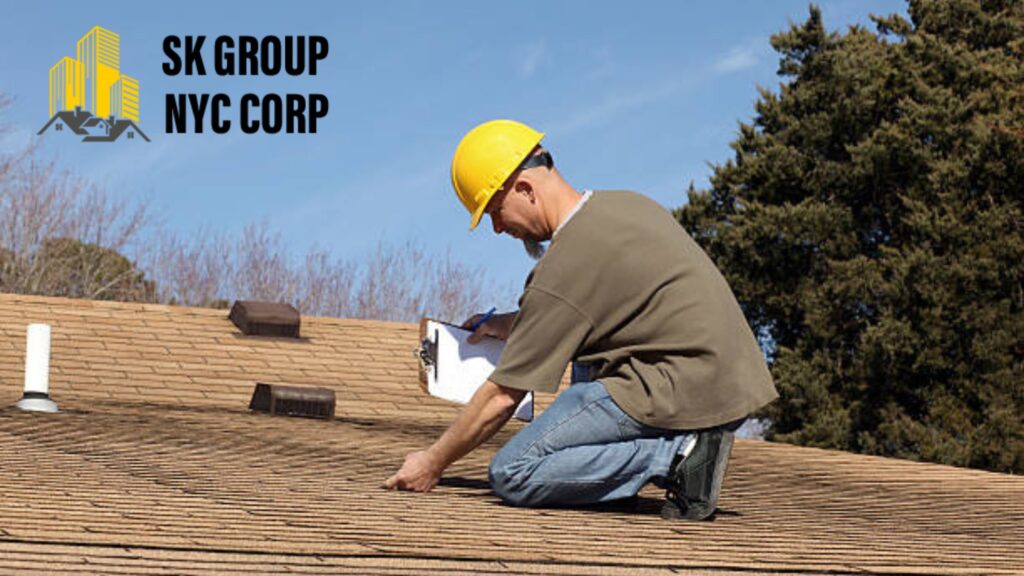
The best roofing material depends on your property, climate, budget, roof structure, and long-term goals. A professional roof inspection can help determine which option provides the best value for your specific home.
Metal Roof vs Shingles Comparison
| Feature | Metal Roof | Asphalt Shingles |
|---|---|---|
| Initial cost | Higher upfront investment | More affordable |
| Lifespan | Often 40–70+ years depending on system | Commonly 15–30 years depending on quality |
| Durability | Excellent resistance to weather and impact | Good but varies by product |
| Maintenance | Generally low maintenance | Requires more frequent inspections |
| Installation | Requires specialized experience | More contractors available |
| Energy efficiency | Reflective coatings can improve performance | Depends on shingle type and color |
| Repairs | Repairs may require specialized materials | Individual shingles are easier to replace |
| Appearance | Modern and traditional styles available | Classic residential look |
| Long-term value | Strong for long-term homeowners | Good for budget-conscious projects |
What Is a Metal Roof?
A metal roof is a roofing system made from materials such as steel, aluminum, or other metal alloys. Modern residential metal roofs are designed with protective coatings that improve corrosion resistance, durability, and appearance.
Unlike older metal roofing systems, today’s options are available in many styles that can complement both modern and traditional homes.
Common Types of Metal Roofing
Standing Seam Metal Roofing
Standing seam roofing uses long metal panels with raised seams that connect the panels together. The fastening system is often concealed, reducing exposure to weather and improving the roof’s clean appearance.
Corrugated Metal Roofing
Corrugated panels feature a repeating wave pattern that adds strength and allows water to drain efficiently. These systems are commonly used for residential, agricultural, and commercial applications.
Steel and Aluminum Roofing
Steel roofing is widely used because of its strength and affordability. Aluminum roofing is lightweight and naturally resistant to corrosion, making it useful in areas exposed to moisture.
What Are Asphalt Shingles?
Asphalt shingles are the most common residential roofing material in North America. They are made from a fiberglass base coated with asphalt and protective mineral granules.
Homeowners choose shingles because they provide a familiar appearance, many design options, and a lower installation cost.
Types of Asphalt Shingles
Three-Tab Shingles
Three-tab shingles are a basic roofing option with a flat appearance. They are generally more affordable but may provide fewer durability features compared with upgraded products.
Architectural Shingles
Architectural shingles are thicker and create a dimensional appearance. They are more popular for modern residential projects because they provide improved aesthetics and better performance than basic shingles.
Metal Roof vs Shingles Cost
The upfront metal roof vs shingles cost comparison usually favors asphalt shingles. Shingles are commonly less expensive to purchase and install because the materials are familiar, widely available, and supported by a large installer network.
Metal roofing typically requires a larger initial investment. Material selection, custom panel fabrication, trim details, specialized tools, and installer experience can all increase the project price.
Factors that affect the final roofing price
The material itself is only one part of a roofing estimate. Final costs may also be affected by:
- Roof size and pitch
- Number of valleys, dormers and penetrations
- Removal and disposal of the old roof
- Condition of the roof decking
- Underlayment and ventilation requirements
- Chimney, skylight and wall flashing
- Site access and material handling
- Local labor conditions
- Building requirements and permit fees
- Product finish, thickness and warranty
A simple roof with broad, open surfaces is normally easier to install than a steep roof with multiple transitions. Hidden damage discovered after tear-off can also increase the final price.
For an accurate comparison, request written estimates based on the same scope of work. One quote should not exclude decking repair, flashing, ventilation, disposal, or permits while another includes them.
Metal Roof vs Shingles Cost Per Square Foot
Roofing costs vary depending on location, roof size, slope, material quality, labor, and existing roof conditions.
Factors that affect pricing include:
- Roof pitch and complexity
- Number of chimneys or skylights
- Removal of old roofing materials
- Roof decking repairs
- Underlayment requirements
- Flashing replacement
- Ventilation improvements
- Local labor costs
A simple roof replacement will cost less than a steep, complex roof with multiple sections.
For accurate pricing, homeowners should compare detailed estimates that include all project components—not just the roofing material cost.
Metal Roof vs Shingles Lifespan
Lifespan is one of the biggest differences between these roofing systems.
Metal Roof Lifespan
A properly installed metal roof can last several decades with regular inspections and maintenance. Its resistance to cracking, rotting, and moisture damage makes it attractive for homeowners planning long-term ownership.
The actual lifespan depends on:
- Metal type
- Coating quality
- Installation workmanship
- Climate exposure
- Maintenance
Asphalt Shingle Lifespan
Asphalt shingles generally have a shorter service life, although premium architectural shingles can outperform basic products.
Factors affecting shingle lifespan include:
- Sun exposure
- Wind conditions
- Installation quality
- Ventilation
- Storm damage
- Maintenance
A high-quality shingle roof installed correctly can provide excellent performance, but it usually requires replacement sooner than most metal roofing systems.
Metal Roof Pros and Cons
Advantages of Metal Roofing
Metal roofs are known for their durability, resistance to cracking, rot, and insect damage. They perform well in rain, snow, and harsh weather conditions while requiring relatively low maintenance.
Available in various colors and styles, modern metal roofing can match both contemporary and traditional homes. Reflective coatings may also help improve energy efficiency in certain climates.
Disadvantages of Metal Roofing
The main drawback of metal roofing is the higher upfront cost. Installation requires experienced contractors familiar with panel placement, flashing, fasteners, and expansion movement.
Repairs can also be more specialized, especially if matching older panels or finishes is required. Rain noise may be a concern, but proper insulation, decking, and underlayment can significantly reduce sound.
Asphalt Shingle Pros and Cons
Advantages of Asphalt Shingles
Asphalt shingles are affordable, widely available, and easy to install. They offer many colors and styles, making them a popular choice for residential homes.
Damaged shingles can often be replaced individually, making repairs simple and cost-effective.
Disadvantages of Asphalt Shingles
Shingles generally have a shorter lifespan than metal roofing and can be affected by aging issues such as cracking, curling, granule loss, algae growth, and wind damage.
Some shingle types may absorb more heat, although reflective options are available for improved energy performance.
Metal Roof vs Shingles in NYC Weather
New York homeowners face unique roofing challenges, including heavy rain, winter snow, freeze-thaw cycles, and strong winds.
A roofing system must handle:
- Moisture exposure
- Ice formation
- Temperature changes
- Wind-driven rain
- Seasonal expansion and contraction
Metal roofing can be an excellent choice for homeowners prioritizing durability. However, a properly installed asphalt shingle roof can also perform well when the correct materials and installation methods are used.
For NYC properties, professional evaluation is especially important because older buildings may have unique structural considerations.
Companies like SK Group NYC Corp help homeowners evaluate roof conditions, identify potential issues, and select roofing solutions based on the property’s actual needs.
Which Roof Is Better for Your Home?
Choose a metal roof if:
- Long service life is a primary goal
- You can manage the higher upfront investment
- You want a durable, low-profile roofing system
- You plan to keep the property long term
- You have access to an experienced metal-roof installer
Choose asphalt shingles if:
- Lower initial cost is the main priority
- You prefer a familiar residential appearance
- You want widely available materials
- Simpler localized repairs are important
- Your ownership timeline may be shorter
Frequently Asked Questions
Is a metal roof cheaper than shingles?
No, metal roofing usually costs more initially. However, its longer lifespan may provide better long-term value for homeowners who keep their property for many years.
Does a metal roof last longer than shingles?
Yes, most quality metal roofing systems have a longer expected lifespan than traditional asphalt shingles when properly installed and maintained.
Are metal roofs noisy during rain?
A properly installed residential metal roof with decking, insulation, and underlayment is usually not excessively noisy.
Can you install a metal roof over shingles?
Sometimes, but the existing roof condition must be inspected first. Structural issues, moisture problems, ventilation, and local requirements should be considered.
Which roof is better for snow?
Both can perform well, but proper installation, drainage, insulation, and ventilation are important factors in snowy climates.
Final Verdict
When comparing metal roof vs shingles, there is no single answer for every homeowner.
Metal roofing offers excellent durability, longevity, and long-term value, making it a strong option for homeowners planning to stay in their property for many years.
Asphalt shingles remain a practical choice because they offer affordability, easy installation, and a traditional appearance.
The best decision comes from evaluating your budget, property condition, climate, and future plans. A professional roofing inspection from an experienced contractor like SK Group NYC Corp can help you choose the right roofing system with confidence.