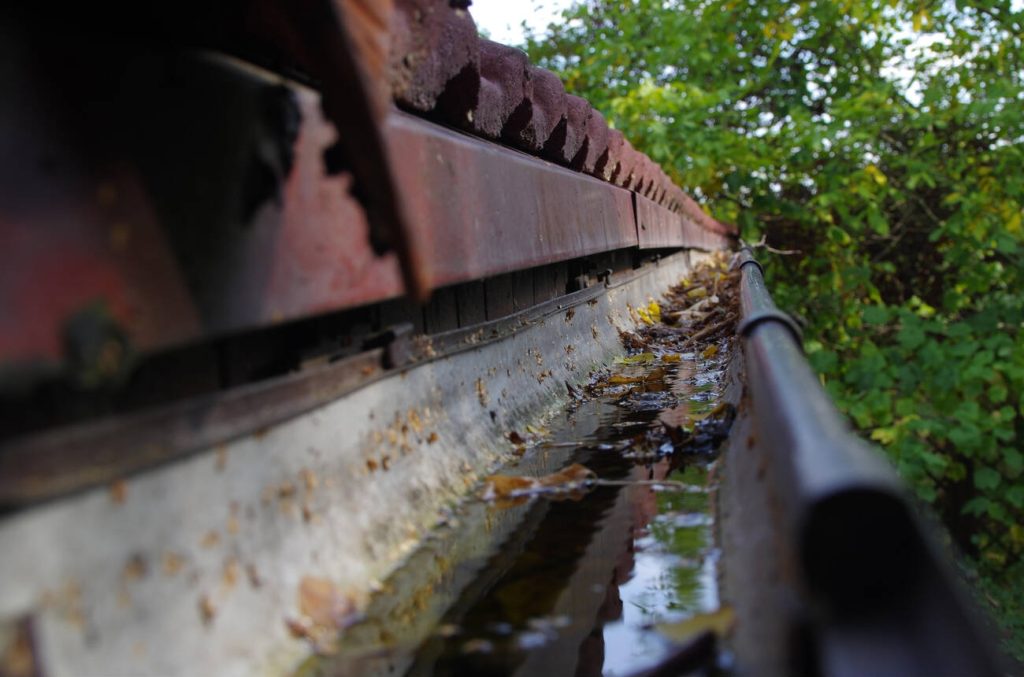
Water overflowing from a gutter during a storm is easy to dismiss as a cleaning issue, but the real cause may be a blocked downspout, poor gutter slope, loose attachment, damaged seam, or drainage problem farther along the system. Gutter inspection services help identify these issues by evaluating how the entire gutter and downspout system collects, moves, and discharges roof runoff.
A professional inspection is about more than looking for leaves. It can reveal conditions that are difficult to see from the ground, including deteriorating connections, sagging sections, water-retention areas, and moisture-related damage around the roof edge. For New York City properties, access, building height, seasonal weather, and complex drainage arrangements can make a proper assessment especially important.
Understanding what professionals check and what different findings mean can help homeowners decide when maintenance is sufficient, when repairs are appropriate, and when a more detailed evaluation may be necessary.
What Are Gutter Inspection Services?
Gutter inspection services are a systematic assessment of gutters, downspouts, mounting hardware, drainage outlets, and related areas to determine whether the system is in suitable working condition.
The basic question is not simply whether the gutters are present or appear clean. A professional is evaluating whether rainwater can move through the system without unnecessary obstruction, whether the gutters remain securely attached, and whether discharged water is being directed away from vulnerable areas of the property.
A typical inspection may include:
- Examining gutter channels for debris, corrosion, deformation, or standing water
- Checking gutter slope and alignment
- Inspecting seams, corners, end caps, and outlet connections
- Assessing hangers, brackets, and fasteners
- Examining accessible downspouts and discharge points
- Looking for signs of moisture exposure around fascia, soffits, and exterior surfaces
- Identifying drainage patterns that may require further investigation
An inspection is different from gutter cleaning and gutter repair. Cleaning removes accumulated material, while repair corrects an identified defect. The inspection provides the information needed to determine whether either service is necessary.
The exact scope varies between contractors, so homeowners should confirm what areas, access methods, testing, documentation, and follow-up recommendations are included.
What Do Professionals Check During a Gutter Inspection?
A quality gutter inspection follows the water’s path from the roof edge to the final discharge point. This system-based approach matters because a problem in one component can affect the performance of another.
1. Debris, Blockages, and Gutter Capacity
Leaves and twigs are obvious concerns, but professionals also look for compacted dirt, roofing granules, small organic material, and sediment that can accumulate around downspout openings.
A gutter does not necessarily need to be completely blocked to perform poorly. A partial restriction may allow water to drain during light rainfall but become inadequate when rainfall intensity increases.
Inspectors therefore look for evidence such as:
- Debris concentrated around outlets
- Sediment deposits
- Water staining on the exterior of the gutter
- Vegetation growth
- Repeated overflow marks
- Standing water after rainfall
This distinction is important because overflow does not automatically mean the entire gutter needs cleaning or replacement. The underlying restriction must be identified first.
2. Gutter Slope, Alignment, and Water Retention
Gutters need an appropriate pitch so water moves toward their outlets rather than remaining trapped in low sections.
A professional checks for visible sagging, uneven runs, low points, and sections that have shifted from their intended alignment. Where conditions permit, the inspector may use measurement tools or controlled water testing to evaluate flow.
Standing water can indicate inadequate slope, blockage, deformation, or another drainage issue. It can also add unnecessary weight to the gutter and its supporting hardware.
The appropriate slope depends on the gutter configuration and installation. A professional assessment should therefore evaluate the actual system rather than assume one measurement applies to every property.
3. Seams, Joints, End Caps, and Leaks
Connections deserve close attention because they are common locations for leakage and deterioration.
Inspectors examine seams, corners, end caps, and outlet connections for deteriorated sealant, separation, corrosion, cracks, and visible gaps. Water staining beneath a joint can provide evidence of leakage, although the visible stain may not always identify the precise source.
Seamless gutters reduce joints along straight runs, but they still contain connections at corners, outlets, and end caps.
A localized leaking joint may be repairable. Extensive corrosion, deformation, or multiple failing sections may indicate that replacement is more appropriate. The inspection helps distinguish between these conditions instead of treating every leak as the same problem.
4. Hangers, Brackets, Fasteners, and Fascia
A gutter system can only function properly if it remains securely supported.
Professionals inspect accessible hangers, brackets, screws, and other fasteners for loosening, movement, missing components, or signs of excessive stress. They also examine the supporting fascia where visible.
This is an important distinction: a loose gutter attachment does not always mean the fastener itself is the problem.
If the underlying fascia or mounting surface has deteriorated, simply tightening the bracket may not provide a durable solution. The condition of the supporting material must be considered before repairs are recommended.
Heavy debris, standing water, snow, and ice can also place additional load on gutter attachments.
5. Downspouts and the Complete Drainage Path
Downspouts are essential because they carry collected water away from the gutter channels. A clean gutter can still overflow if its downspout is restricted or unable to discharge water effectively.
During a professional gutter inspection, accessible downspouts are checked for visible blockages, loose joints, damaged elbows, crushed sections, and separation from the gutter outlet.
The inspector should also consider where the water goes after leaving the downspout.
A discharge point that releases concentrated water directly against a vulnerable area can create a drainage concern even when the downspout itself is intact. Depending on the property, runoff may need to be directed through an appropriate extension, drainage system, or other established outlet.
On some New York City properties, downspouts may connect to more complex building drainage arrangements. Problems within inaccessible sections may require additional investigation rather than assumptions based on exterior symptoms.
6. Roof Edge, Flashing, Fascia, and Soffits
Gutters operate as part of a larger roof drainage system, so inspectors also consider nearby components.
The roof edge, drip edge, flashing, fascia, and soffits can all influence how water enters or escapes from the gutter system. Visible staining, peeling finishes, corrosion, or deterioration may indicate repeated moisture exposure.
However, this is where a careful inspection matters most.
A water stain near a gutter does not automatically prove that the gutter caused it. Roofing defects, damaged flashing, and other building-envelope problems can create similar symptoms.
A responsible professional separates what is directly observed from what remains a suspected cause and recommends additional evaluation when the source cannot be confirmed.
7. Exterior Drainage and Signs of Water Impact
The inspection should not stop at the gutter itself.
Professionals may examine the areas below downspouts and along the building perimeter for signs that runoff is not being managed effectively. These can include soil erosion, displaced mulch, exterior staining, recurring puddles, and water collecting near foundation areas.
For properties with basements, persistent moisture near foundation walls deserves attention. However, gutter runoff is only one possible contributor. Grading, groundwater, waterproofing conditions, and plumbing issues can produce similar symptoms.
The purpose of this part of the assessment is therefore to identify potential drainage relationships, not to diagnose every moisture problem as a gutter defect.
Why Regular Gutter Inspections Matter
The value of an inspection is not simply finding something wrong. It is identifying a problem while the homeowner still has choices about how to address it.
Consider a partially restricted downspout. During light rain, water may appear to drain normally. During a heavier storm, the same restriction may cause the gutter to overflow. If the overflow repeatedly reaches the fascia or exterior wall, the resulting moisture exposure can become a separate maintenance concern.
Likewise, a small alignment problem can gradually worsen if gutter sections remain under load from standing water or debris.
Regular gutter inspection services can help homeowners identify:
- Developing drainage restrictions
- Loose or deteriorating attachments
- Leaking seams and connections
- Persistent standing water
- Runoff collecting near vulnerable areas
- Visible deterioration around the roof edge
An inspection does not guarantee that damage will be prevented. Its purpose is to provide reliable information so property owners can prioritize appropriate maintenance.
How Often Should You Schedule Gutter Inspection Services?
There is no single inspection schedule that suits every property.
For many homes, checking the gutter system in spring and fall is a practical maintenance approach. Spring can reveal problems associated with winter conditions, while fall is an important time to address accumulating leaves and other seasonal debris.
Properties may require more frequent attention when they have:
- Mature trees close to the roof
- Older or visibly deteriorated gutters
- Repeated overflow
- Previous drainage problems
- Difficult-to-access gutter sections
- Complex roof configurations
New York City properties can also experience heavy rainfall, snow, ice, and freeze-thaw conditions that place seasonal demands on drainage components.
After a significant storm, an additional assessment may be worthwhile if gutters appear displaced, downspouts have separated, unusual overflow occurs, or water begins collecting in unfamiliar areas.
Professional Gutter Inspection vs. DIY Checks
A homeowner can safely observe some conditions from the ground, particularly obvious overflow, detached sections, or visible debris. A professional assessment goes further by examining accessible components and evaluating how the system functions as a whole.
| Inspection Factor | Safe DIY Observation | Professional Inspection |
|---|---|---|
| Debris | Identify obvious buildup | Examine accessible channels and outlets |
| Alignment | Notice visible sagging | Assess slope, low points, and support |
| Connections | Spot obvious separation | Examine seams, seals, end caps, and outlets |
| Hardware | Notice detached sections | Evaluate brackets, hangers, and fasteners |
| Drainage | Observe runoff behavior | Assess the drainage path and discharge conditions |
| Roof-edge condition | Notice visible staining | Examine accessible related components |
| Safety | Limited to safe viewing areas | Uses appropriate access procedures where required |
DIY checks are useful for recognizing warning signs, but homeowners should not climb onto roofs or use unsafe ladder positions to inspect elevated gutters. Multi-story properties may require specialized access and trained personnel.
What Happens After a Gutter Inspection?
A useful inspection should leave the homeowner with a clear understanding of what was observed and what, if anything, should happen next.
Depending on the service, the contractor may provide photographs, written findings, or a verbal assessment. The most useful recommendations distinguish confirmed defects from conditions that require further investigation.
Typical recommendations include:
Routine maintenance: Cleaning debris, clearing accessible outlets, or monitoring minor conditions.
Targeted repairs: Resealing a leaking connection, securing a loose bracket, or replacing a damaged section.
Further investigation: Evaluating concealed drainage restrictions, deteriorated supporting materials, or moisture problems that cannot be confirmed during the initial inspection.
Not every gutter problem requires replacement. A localized defect in an otherwise sound system may be addressed without replacing the entire installation.
Before authorizing work, homeowners should ask what was found, why the recommended work is necessary, and whether cleaning or repairs are included in the original inspection price.
How to Choose Reliable Gutter Inspection Services in NYC
A good contractor should explain the inspection scope before beginning work and be clear about any limitations caused by building height, access, or concealed drainage components.
For NYC properties, homeowners should pay particular attention to how a contractor approaches elevated gutters and difficult-to-access areas. Safe access should take priority over simply completing a visual check from an unsuitable position.
Before hiring a provider, ask:
- What components are included in the inspection?
- How will difficult-to-reach areas be accessed?
- Will photographs or written findings be provided?
- Is gutter cleaning included separately?
- How are repair recommendations prioritized?
- Can the contractor provide applicable insurance information?
- Will additional repairs require a separate estimate?
For property owners considering SK Group NYC Corp, discussing the property’s gutter configuration, access conditions, and inspection requirements in advance can help clarify which services are appropriate.
The goal should be a clear assessment—not a recommendation for unnecessary work.
Frequently Asked Questions About Gutter Inspection Services
How long does a professional gutter inspection take?
The time required depends on gutter length, building height, accessibility, roof configuration, and inspection scope. A small, easily accessible residential system may be assessed relatively quickly, while larger or multi-story properties can require substantially more time.
Can gutter inspections find hidden leaks?
They can identify visible evidence of leakage, such as deteriorated seals, separated joints, corrosion, and water staining. A concealed leak may require controlled water testing or additional investigation to determine its exact source.
Do gutters with gutter guards still need inspections?
Yes. Gutter guards can reduce debris entering the gutter, but they do not eliminate maintenance. Debris can collect on the guard surface, smaller particles can enter the system, and gutters, brackets, seams, and downspouts can still deteriorate.
Should gutters be inspected after a major storm?
Consider an inspection when a storm causes unusual overflow, visible displacement, damaged downspouts, or new water accumulation around the property. Storm debris can also create restrictions that were not present before the event.
Is gutter cleaning included with an inspection?
Not necessarily. Some companies combine inspection and cleaning, while others charge for them separately. Confirm the scope before scheduling, including whether drainage testing, photographs, and minor corrective work are included.
Final Thoughts
A gutter system is only effective when its individual components work together from the roof edge and gutter channel to the downspout and final discharge point. Blockages, poor alignment, leaking connections, weak attachments, and drainage problems can reduce that performance without being obvious from ground level.
Professional gutter inspection services give homeowners a clearer picture of these conditions and help distinguish routine cleaning from repairs or further investigation.
For NYC property owners, regular assessment can be particularly useful where gutters are elevated, difficult to access, or exposed to seasonal weather. If your system shows signs of overflow, deterioration, or drainage problems, a qualified inspection can help you determine the appropriate next step.
Have Questions? Call Us Now!
+1 (718) 507-7000
We’re here to help quick answers, friendly service, anytime you need!
Contact SK Group NYC
🌐 Website: www.skgroupnyccorp.com
📍 Serving: Manhattan, Brooklyn, Queens, The Bronx, and Staten Island
📍 Address: 87-88 172nd St, Jamaica, New York, NY, United States, New York