Construction projects often become challenging when planning, budgeting, and coordination are not managed properly. From residential renovations to commercial developments, successful results require more than skilled workers—they require experienced project management, clear communication, and proper execution.
General Contracting brings every part of a construction project together by managing timelines, materials, permits, subcontractors, and quality control from start to completion. A professional general contractor helps turn construction ideas into well-organized projects while reducing delays and unexpected issues.
For NYC property owners, construction can involve additional challenges such as strict regulations, older buildings, limited spaces, and complex approval processes. SK Group NYC Corp helps homeowners, businesses, and property owners navigate these challenges with a structured and reliable construction approach.
This guide explains how general contracting services work, the role of a general contractor, the construction process, cost factors, and how to choose the right partner for your project.
What Is General Contracting?
General contracting is the process of managing and coordinating construction projects from planning and preparation through completion.
A general contractor acts as the central point of responsibility for a construction project. Instead of property owners managing multiple companies separately, the general contractor coordinates different aspects of the project to ensure everything works together efficiently.
A general contractor typically manages:
- Project planning
- Construction schedules
- Material coordination
- Subcontractor management
- Budget control
- Permits and compliance
- Quality inspections
The difference between a general contractor and a subcontractor is their role in the project. A general contractor oversees the entire construction process, while subcontractors specialize in specific areas such as electrical work, plumbing, roofing, HVAC, or carpentry.
For example, during a residential renovation, several specialists may need to complete work in a specific sequence. Electrical and plumbing systems may need to be installed before walls are closed, while finishing work depends on proper completion of earlier stages. A general contractor ensures these activities are coordinated correctly.
What Does a General Contractor Do?
A general contractor manages many responsibilities that determine whether a construction project runs smoothly.
Project Planning and Construction Management
Every successful project begins with detailed planning. A general contractor works with clients to understand their goals, evaluate the property, and create a practical construction strategy.
This process includes:
- Understanding project requirements
- Creating timelines
- Planning resources
- Identifying potential challenges
- Coordinating construction activities
Strong planning reduces delays and helps avoid costly mistakes during construction.
Budget Management
Construction costs involve many variables, including labor, materials, permits, and unexpected site conditions. A general contractor helps clients understand these factors and create realistic project budgets.
Professional budget management includes:
- Selecting appropriate materials
- Coordinating supplier costs
- Managing subcontractor expenses
- Reducing unnecessary delays
A transparent approach helps property owners make better financial decisions throughout the project.
Subcontractor Coordination
Most construction projects require multiple specialists. Managing these teams is one of the most important responsibilities of a general contractor.
A contractor coordinates:
- Electricians
- Plumbers
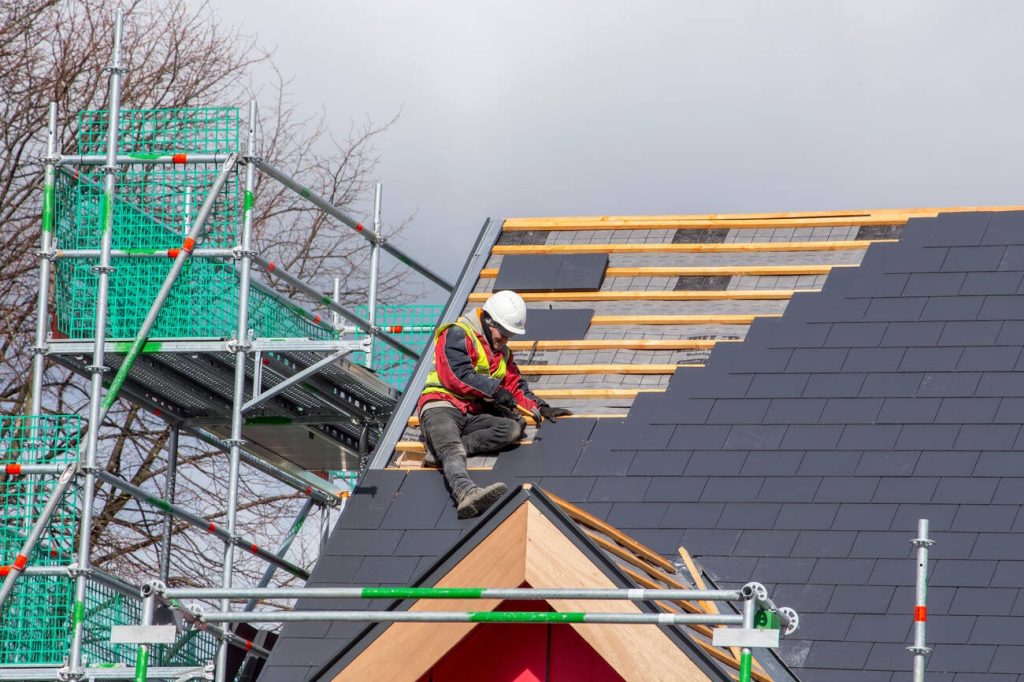
- Roofers
- Carpenters
- Specialized trades
Proper coordination ensures each team completes work at the right stage and prevents scheduling conflicts.
Permit and Compliance Management
Construction projects must follow local regulations and safety requirements. A general contractor helps manage approvals, inspections, and compliance requirements.
This is especially important in NYC, where construction projects may involve detailed building regulations and approval processes.
Quality Control
Quality management ensures that construction work meets expected standards.
A general contractor monitors:
- Workmanship
- Material installation
- Project progress
- Safety practices
Regular inspections help identify issues early and maintain the quality of the final result.
Why Professional General Contracting Services Matter
Managing construction without professional support can create unnecessary stress and unexpected problems. A general contractor provides structure and accountability throughout the project.
Better Organization
A professional contractor creates one coordinated system for planning, scheduling, and communication. Instead of dealing with multiple companies independently, clients have a single point of contact managing the project.
Reduced Construction Risks
Construction involves many risks, including delays, material issues, weather conditions, and unexpected site problems.
Experienced contractors identify potential challenges early and develop solutions before they affect the project timeline.
Improved Time Management
Construction delays often happen because different teams are not properly coordinated.
For example, a renovation project may involve demolition, electrical work, plumbing, flooring, and finishing. Each stage must happen in the correct order to keep the project moving efficiently.
Better Long-Term Results
Professional construction management helps ensure that materials are installed correctly, quality standards are maintained, and the completed project meets client expectations.
Types of General Contracting Services
General contracting services cover a wide range of construction needs for residential and commercial properties.
Residential General Contracting
Residential construction services focus on improving, renovating, and building homes.
Common residential projects include:
- Home renovations
- Kitchen remodeling
- Bathroom upgrades
- Home additions
- Structural improvements
- Exterior improvements
A residential general contractor helps homeowners manage projects while protecting property value and improving functionality.
Commercial General Contracting
Commercial construction services involve larger and more complex projects.
Examples include:
- Office renovations
- Retail improvements
- Commercial remodeling
- Building upgrades
- Business facility improvements
Commercial projects require careful coordination because they often involve larger teams, stricter regulations, and detailed scheduling requirements.
Renovation and Remodeling Services
A renovation contractor helps property owners update existing spaces and improve building performance.
Renovation projects may include:
- Modernizing outdated areas
- Improving layouts
- Increasing property value
- Upgrading building systems
General Contracting Process: From Concept to Completion
A successful construction project requires proper planning, coordination, and execution. A professional general contractor manages each stage of the process, ensuring that timelines, budgets, materials, and quality standards are properly maintained.
1. Initial Consultation and Project Evaluation
The process begins by understanding the client’s goals, budget, timeline, and property requirements. The contractor evaluates the project scope, existing conditions, and potential challenges to create a clear construction plan.
2. Planning and Design Development
After defining project requirements, the contractor develops a detailed plan covering materials, construction methods, timelines, and resources. Proper planning helps reduce delays and unexpected changes during construction.
3. Budget Development
A realistic budget is created by evaluating materials, labor, project complexity, permits, and specialized requirements. Transparent cost planning helps clients make informed decisions before work begins.
4. Permits and Preparation
Before construction starts, the contractor manages required approvals, site preparation, safety planning, and project coordination to ensure the work begins smoothly and follows local requirements.
5. Construction Execution
During construction, the general contractor oversees daily operations, coordinates subcontractors, monitors progress, maintains quality standards, and resolves issues that may affect the project timeline.
6. Quality Review
Before completion, the contractor reviews the work to ensure it meets project requirements, safety standards, and client expectations.
7. Final Completion and Handover
The final stage includes a walkthrough, completion review, and project handover. The contractor ensures all work has been completed properly and the client is satisfied with the finished result.
Residential vs Commercial General Contracting
| Factor | Residential Contracting | Commercial Contracting |
|---|---|---|
| Project Type | Homes and apartments | Offices, retail, business properties |
| Complexity | Moderate | Higher |
| Regulations | Residential requirements | Commercial building requirements |
| Timeline | Usually shorter | Often longer |
| Team Size | Smaller teams | Multiple specialized teams |
Both residential and commercial projects benefit from professional management, but commercial construction usually requires more extensive coordination and compliance planning.
How Much Does General Contracting Cost?
The cost of general contracting depends on the specific requirements of each project. There is no universal price because every property and construction plan is different.
Important cost factors include:
- Project size
- Material selection
- Labor requirements
- Design complexity
- Existing building condition
- Permits
- Construction timeline
Additional factors that may increase costs include structural repairs, custom designs, difficult access, premium materials, and unexpected site conditions.
A professional contractor provides a more accurate estimate after evaluating the project scope and requirements.
Common Construction Mistakes Without Proper Management
Without professional project management, construction projects may face several challenges.
- Poor Planning: Starting without a clear construction plan can lead to delays, budget problems, and unnecessary changes.
- Communication Problems: Multiple teams working independently can create confusion without proper coordination.
- Budget Overruns: Unexpected expenses often occur when costs are not properly evaluated before construction begins.
- Scheduling Delays: Poor coordination between subcontractors can slow project completion.
- Quality Issues: Without proper supervision, mistakes may remain unnoticed until they become expensive repairs.
Professional general contracting reduces these risks through organized planning and consistent oversight.
SK Group NYC Corp Construction Approach
Every successful construction project requires more than skilled labor—it requires proper planning, coordination, and consistent quality management. SK Group NYC Corp follows a structured construction approach designed to help homeowners, property owners, and businesses move projects from initial concepts to completed results.
Phase 1: Planning and Consultation
The process begins by understanding the client’s goals, project requirements, budget expectations, and property conditions. This stage helps identify challenges early and creates a clear roadmap for the construction process.
Phase 2: Pre-Construction Preparation
Before work begins, SK Group NYC Corp focuses on detailed preparation, including project planning, material coordination, scheduling, and team organization. Proper preparation helps reduce delays and creates a smoother construction experience.
Phase 3: Construction Execution
During construction, the team manages project progress, coordinates subcontractors, maintains quality standards, and ensures communication between all parties. Effective management helps keep the project aligned with the planned timeline and requirements.
Phase 4: Quality Review and Completion
Before final delivery, the completed work is reviewed to ensure it meets project expectations and quality standards. A final walkthrough allows clients to review the finished result and confirm successful project completion.
This structured approach helps SK Group NYC Corp deliver organized, reliable construction management from planning through completion.
NYC Construction Challenges and General Contracting
Construction in New York City requires knowledge of local conditions and regulations.
Common challenges include:
- NYC Department of Buildings requirements
- Older building structures
- Limited construction spaces
- Permit approvals
- Occupied building coordination
- Weather-related delays
Experienced general contractors understand how to manage these challenges while keeping projects organized and compliant.
How to Choose the Right General Contractor
Selecting the right contractor is one of the most important decisions in any construction project.
Consider:
- Experience
- Previous projects
- Licensing and insurance
- Customer reviews
- Communication style
- Transparent estimates
- Project management process
Before hiring, ask:
- How do you manage subcontractors?
- What is the expected timeline?
- How are unexpected costs handled?
- What quality standards do you follow?
A reliable contractor should provide clear communication and help clients understand every stage of construction.
Why Choose SK Group NYC Corp for General Contracting Services
A successful construction project requires more than completing individual tasks. It requires planning, coordination, quality management, and clear communication.
SK Group NYC Corp helps homeowners, property owners, and businesses manage construction projects through professional coordination and structured project management.
From initial planning and budgeting to construction execution and final completion, the focus remains on creating organized, efficient, and reliable construction experiences.
If you are planning a renovation, commercial improvement, or construction project in NYC, contact SK Group NYC Corp to discuss your project requirements and determine the right approach for your goals.
Frequently Asked Questions
What is general contracting?
General contracting is the process of managing and coordinating construction projects from planning through completion. A general contractor oversees workers, materials, schedules, permits, and quality control.
What services does a general contractor provide?
A general contractor provides construction planning, project management, subcontractor coordination, budgeting support, permit assistance, renovations, and quality supervision.
Why should I hire a general contractor?
Hiring a general contractor simplifies construction by providing professional coordination, reducing risks, improving communication, and ensuring project quality.
What is the difference between a contractor and subcontractor?
A general contractor manages the entire project, while subcontractors complete specialized tasks such as electrical, plumbing, roofing, or HVAC work.
How much do general contracting services cost?
Costs depend on project size, materials, labor, complexity, permits, and existing conditions. A professional evaluation is needed for an accurate estimate.
How long does a construction project take?
Timelines depend on project scope, approvals, materials, and complexity. Smaller renovations may take weeks, while larger projects may require several months.
Does a general contractor handle permits?
Many general contractors assist with permit coordination and ensure construction projects follow local building requirements. Responsibilities depend on the project scope and location.
Have Questions? Call Us Now!
+1 (718) 507-7000
We’re here to help quick answers, friendly service, anytime you need!
Contact SK Group NYC
🌐 Website: www.skgroupnyccorp.com
📍 Serving: Manhattan, Brooklyn, Queens, The Bronx, and Staten Island
📍 Address: 87-88 172nd St, Jamaica, New York, NY, United States, New York