Storm Damage Roof Repair can become necessary after high winds, hail, heavy rain, or falling debris, even when a roof does not have an obvious hole or large section of missing shingles. Storms can loosen roofing materials, damage shingle surfaces, and expose weaknesses around flashing, valleys, vents, and other roof penetrations. Some problems are visible immediately, while others may only become noticeable when water reaches the attic or ceiling.
After a severe storm, the first step is to assess the condition of the roof safely rather than assume that the entire roof needs replacement. Homeowners can document visible damage from the ground and check the interior for signs of water intrusion, but a damaged roof should not be walked on for inspection. A professional evaluation can help determine whether the appropriate solution is a localized repair, temporary protection, or more extensive roofing work.
What to Do Immediately After a Storm
Prioritize Safety Before Inspecting the Roof
Safety should come before checking the condition of the roof. Avoid climbing onto a wet, damaged, or unstable roof, particularly when loose materials, fallen branches, or structural damage may be present. Downed power lines and damaged exterior components can create additional hazards around the property.
From the ground, look for obvious changes such as missing shingles, exposed roofing materials, damaged vents, loose flashing, fallen branches, or sections that appear uneven. A ground-level inspection can help you identify warning signs without creating unnecessary risk.
Check for Interior Water Damage
After a storm, check ceilings, upper walls, and accessible attic areas for signs of moisture. Water stains, damp insulation, dripping water, or a musty smell can indicate that rain has entered through a compromised part of the roofing system.
If water is entering the home, move furniture and belongings away from the affected area when it is safe. A container can catch an active drip temporarily, but it does not address the source of the leak.
One important detail is that the location of an interior water stain may not be directly beneath the roof damage. Water can travel along roofing materials, insulation, framing, or other building components before appearing inside the home.
Document the Condition
Take photographs and videos of visible damage before cleanup whenever possible. From a safe location, document missing or displaced shingles, fallen branches, damaged gutters, roof openings, interior stains, and affected belongings.
Record the date of the storm and when you first noticed the damage. If temporary emergency work becomes necessary, keep the related photographs, invoices, and other documentation.
Consider Temporary Roof Protection
If storm damage has created an opening that allows rainwater into the property, temporary protection may be necessary until permanent repairs can be completed.
Temporary protection is intended to reduce additional exposure. It should not be confused with a permanent repair. Once conditions are safe, the underlying roofing problem should still be evaluated and properly addressed.
How to Identify Storm Damage on a Roof
Storm damage is not always dramatic. A roof may look relatively normal from the driveway while individual shingles, flashing, vents, or other components have been compromised.
The type of damage can also depend on the weather event. High winds, hail, heavy rain, and falling debris can affect different parts of the roofing system in different ways.
Missing, Cracked, or Lifted Shingles
Missing shingles are one of the easiest signs to recognize after high winds. Their absence can expose the roofing layers underneath and create a potential path for water intrusion.
Also look for shingles that are lifted, cracked, displaced, or noticeably different from surrounding rows. Wind can affect the positioning or attachment of roofing materials without removing them completely.
A subtle change in shingle alignment can therefore be worth investigating, especially when it appeared after a major wind event.
Hail and Wind Damage
Hail and wind can leave different types of damage.
Hail may affect the surface of roofing materials through repeated impact. Depending on the roofing material and severity of the storm, signs can include dents, surface damage, exposed areas, or loss of protective granules.
Wind-related damage may include lifted or missing shingles, damaged ridge caps, loosened flashing, and compromised areas around roof penetrations.
This is why storm damage should be evaluated based on the condition of the roofing system rather than simply how severe it looks from the ground.
Roof Leaks and Water Intrusion
A roof leak after a storm is a clear reason to investigate the roofing system. Damaged shingles, flashing, vents, valleys, and other components can create pathways for rainwater.
A common mistake is to focus only on the location where water appears inside the home. The visible ceiling stain may be several feet away from the actual entry point because water can travel before becoming visible.
Painting over the stain or sealing the interior surface does not solve the underlying roofing problem. The source of the water intrusion needs to be identified and addressed.
Damaged Flashing, Vents, and Gutters
Storms can affect components beyond the main field of shingles.
Flashing around chimneys, skylights, walls, valleys, and other transitions can become loose or displaced. Roof vents and other penetrations may also be affected by strong winds or debris.
Gutters and downspouts should be checked as well. Look for sections pulled away from the structure, dents, separation, or unusual debris. Gutter damage does not automatically mean the roof is damaged, but it can provide additional evidence about the storm’s impact on the property.
Storm Damage Roof Repair: When Should You Call a Professional?
Signs That Need Professional Attention
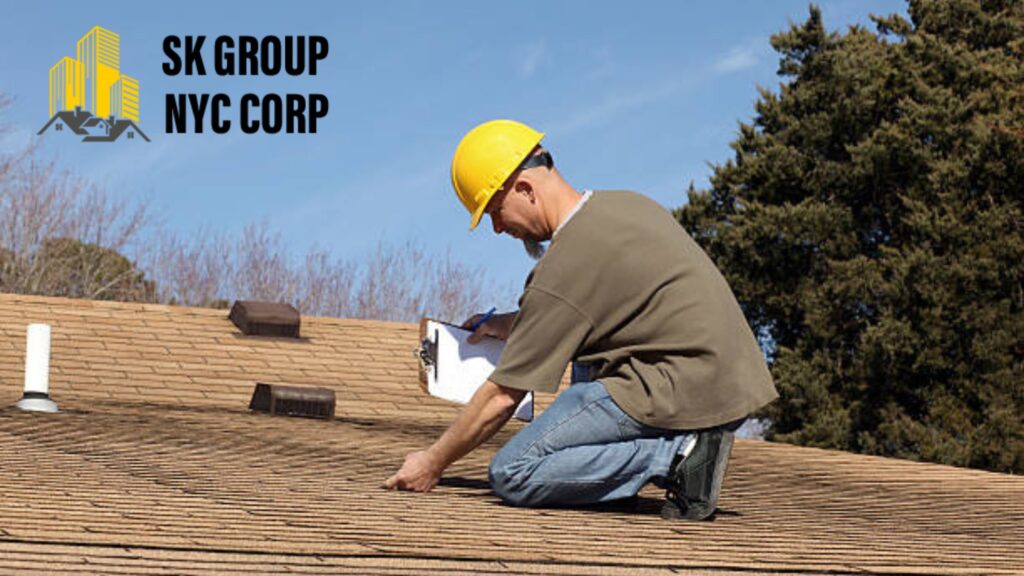
A professional inspection is appropriate when you notice missing or displaced roofing materials, visible openings, active leaks, damaged flashing, fallen-tree impact, or other signs that the roof may have been compromised.
Professional evaluation is particularly useful when damage is not easy to assess from the ground. A roofing specialist can examine the affected areas and determine whether the problem is isolated or extends into surrounding components.
The purpose of an inspection should be to identify the actual condition of the roofing system, not to assume that every storm automatically requires complete replacement.
Why You Should Not Inspect a Damaged Roof Yourself
Homeowners can safely observe and document many problems from the ground, but walking on a damaged roof introduces unnecessary risk.
Wet shingles can be slippery, damaged decking may not support normal weight, and loose materials can shift unexpectedly. Fallen branches and other debris can also conceal hazards.
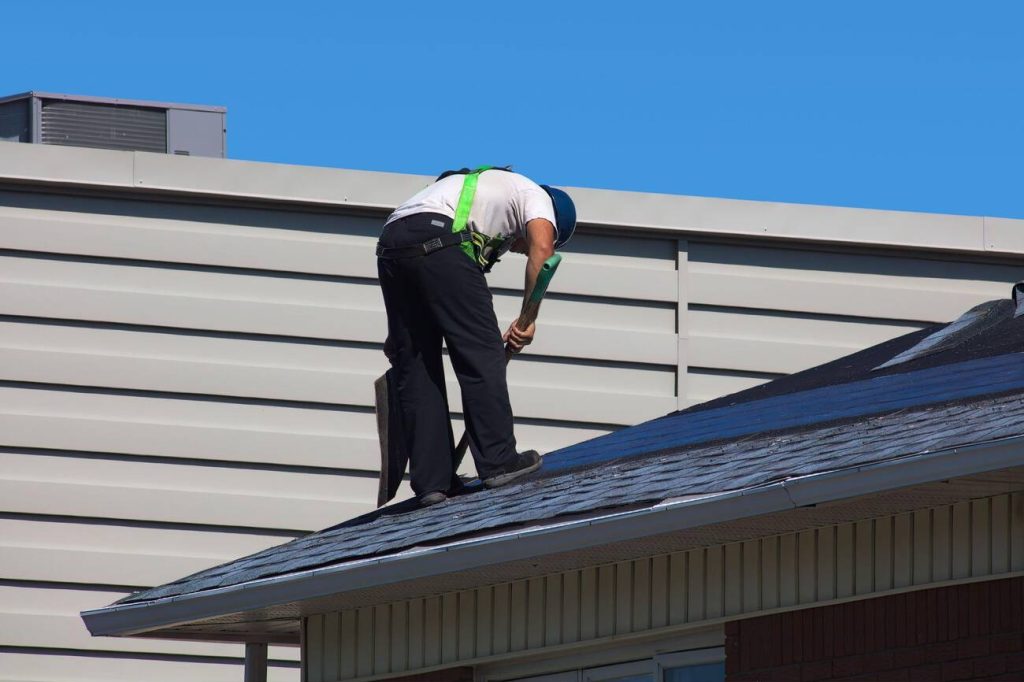
A professional can evaluate the roof while considering areas that may not be obvious from ground level, including flashing, penetrations, ridge areas, and signs of water intrusion.
Common Types of Storm Damage Roof Repair
There is no single repair method for every storm-damaged roof. The appropriate work depends on the roofing material, existing condition, location of the damage, severity of the storm, and extent of the affected area.
| Storm-related problem | What a homeowner may notice | Typical professional response |
|---|---|---|
| Missing shingles | Exposed roofing area or visible underlayment | Replace affected materials and inspect surrounding shingles |
| Lifted or displaced shingles | Raised edges or uneven shingle alignment | Assess attachment and replace damaged materials where necessary |
| Hail impact | Dents, surface damage, or granule loss | Inspect affected areas and determine appropriate repair |
| Damaged flashing | Loose or displaced metal around roof features | Repair or replace compromised flashing |
| Fallen branch impact | Broken roofing materials or visible puncture | Inspect the impact area and underlying components |
| Roof leak | Ceiling stains, dripping, or attic moisture | Locate the water-entry point and address the source |
| Damaged ridge caps | Missing, cracked, or displaced caps | Repair or replace affected ridge-cap materials |
Shingle and Ridge Damage
Localized shingle or ridge-cap damage may sometimes be addressed without disturbing unaffected areas. The surrounding roofing materials should still be evaluated because wind can affect more than the section that appears visibly damaged.
Flashing and Roof Penetration Damage
Flashing and roof penetrations deserve particular attention because they are transition points where water can enter if components become displaced or compromised.
A repair should address the affected component and its connection with surrounding roofing materials rather than simply covering the visible opening.
Fallen Branch or Tree Damage
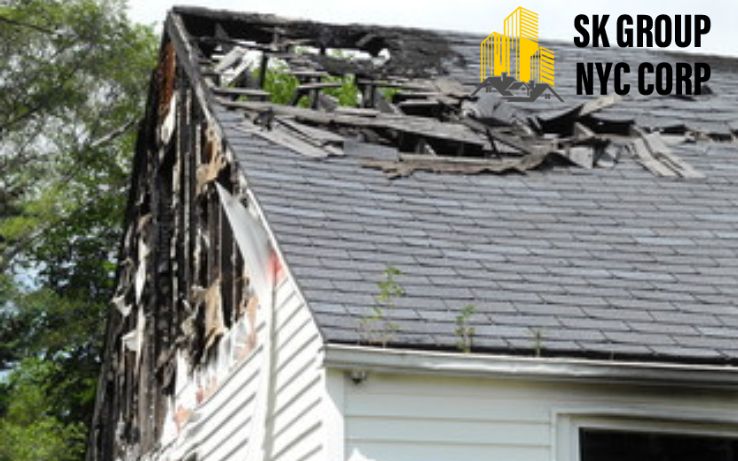
A branch striking the roof can cause anything from surface damage to a significant opening or structural problem. The visible impact area should be evaluated carefully, especially when a large object has fallen onto the roof.
Storm Damage Roof Repair vs. Roof Replacement
When a Localized Repair May Be Appropriate
A storm-damaged roof does not automatically require complete replacement.
If damage is limited to a specific area and the surrounding roofing system remains in suitable condition, a targeted repair may be possible. Examples can include isolated shingle damage, a damaged section of flashing, or a limited problem around a roof penetration.
The key is determining whether the surrounding roofing system can continue performing properly after the affected component is repaired.
When More Extensive Work May Be Necessary
More extensive work may be appropriate when damage affects multiple areas, underlying roofing components, or a substantial portion of the roof.
A roof that was already significantly deteriorated before the storm may also present a different repair decision than a relatively well-maintained roof with isolated storm damage.
Roof age is relevant, but it should not be the only deciding factor. Installation quality, previous repairs, maintenance, material type, and existing deterioration can all influence the condition of the roof.
What the Roof’s Condition Has to Do With the Decision
The practical question is not simply:
“How old is the roof?”
It is:
“What is the extent of the storm damage, and can the affected roofing system be restored appropriately?”
That approach helps homeowners base the decision on the actual condition of the property instead of automatically choosing the most extensive option.
What to Document After Storm Damage
Good documentation can help homeowners communicate more clearly with a roofing professional or insurance company.
Exterior Damage
From a safe location, photograph missing or displaced shingles, damaged flashing, vents, ridge caps, gutters, fallen branches, and visible openings.
Take both wider photographs showing where the damage is located and closer images showing individual problems.
Interior and Attic Damage
Document ceiling stains, active leaks, damaged walls, wet insulation, and other visible signs of water intrusion.
If possible, photograph the condition before cleanup or temporary work changes the appearance of the damage.
Insurance Documentation
Keep records of the storm date, photographs, inspection reports, repair estimates, invoices, and emergency work.
Insurance policies vary, so homeowners should review their own policy and communicate directly with their insurer about coverage and claim requirements. A roofing contractor can document physical conditions but should not guarantee claim approval or promise that a particular repair will be covered.
What Does the Storm Damage Roof Repair Process Involve?
Initial Inspection
The process generally begins with an inspection rather than immediately ordering materials or recommending replacement.
The roofing professional evaluates visible damage and relevant components, including shingles, flashing, roof penetrations, ridge areas, drainage components, and accessible signs of water intrusion.
Temporary Protection
If an active opening could allow additional rain into the property, temporary protection may be necessary.
This step is intended to reduce further exposure while permanent repairs are planned. It is not a substitute for restoring the damaged roofing system.
Permanent Repair
The repair depends on the inspection findings. It may involve replacing damaged shingles, repairing flashing, addressing damaged roof components, correcting a leak, or completing more extensive work where several areas have been affected.
The objective should be to correct the source of the problem rather than simply conceal its most visible symptom.
Final Inspection
After the repair, the affected area should be checked to ensure the original problem has been addressed and the repaired components properly integrate with the surrounding roof.
This distinction between temporary protection and permanent repair is important for homeowners dealing with active leaks after severe weather.
How Different Roofing Materials Respond to Storms
Different roofing systems can show different signs of storm damage.
Asphalt Shingles
Asphalt shingles may show missing, lifted, cracked, displaced, or impact-damaged areas. Wind can affect shingle positioning, while hail may leave surface-related damage.
Metal Roofing
Metal roofs can experience dents, displaced panels, damaged seams, or problems around fasteners and penetrations following severe weather.
Flat and Low-Slope Roofing
Flat and low-slope systems may experience membrane damage, punctures, seam problems, or drainage-related issues. Water can also remain on poorly draining areas longer than it should.
Because roofing systems respond differently to weather, a basic visual checklist cannot always establish the full extent of damage.
How to Reduce the Risk of Future Storm Roof Damage
Maintain Gutters and Drainage
Keep gutters and downspouts clear so rainwater can move away from the building efficiently. Damaged or poorly functioning drainage components should be addressed before they contribute to water-related problems.
Address Existing Roofing Problems
Small roofing problems should not be ignored simply because they are not currently causing a leak. Loose flashing, deteriorating materials, and other weaknesses can become more significant when exposed to strong wind or heavy rainfall.
Monitor Nearby Trees
Dead or unstable branches can become airborne during severe weather and strike roofing materials, gutters, siding, windows, or other parts of the property.
Regularly monitoring trees around the home can reduce the risk of preventable impact damage.
Perform a Post-Storm Visual Check
After a major storm, look at the property from the ground and compare the roof with how it normally appears.
If shingles have shifted, debris has accumulated, or something looks unusual, arrange an inspection rather than climbing onto the roof yourself.
For properties in New York City, storm-related roofing work can also involve dense construction, limited access, neighboring structures, and different roof configurations. SK Group NYC Corp provides a local point of contact for homeowners seeking professional assessment and roofing-related construction work.
Frequently Asked Questions
What should I do if a storm damages my roof?
Stay off the roof, check for visible damage from the ground, and look inside the home for signs of water intrusion. Photograph what you find and arrange a professional inspection if you notice missing roofing materials, leaks, exposed areas, or other storm-related problems.
How do I know if my roof has storm damage?
Look for missing, lifted, cracked, or displaced shingles, damaged flashing, broken roof components, fallen debris, gutter damage, and signs of water intrusion. Some damage may not be visible from the ground, particularly after hail or high winds.
Can storm damage cause a roof leak?
Yes. Damaged shingles, flashing, vents, roof penetrations, and other components can create pathways for water to enter. The interior stain may appear away from the actual entry point because water can travel through roofing and building materials.
How soon should storm roof damage be inspected?
Suspected damage should be assessed as soon as reasonably practical, especially when the roof is actively leaking or has a visible opening. Early evaluation can help determine whether temporary protection is needed to limit additional water intrusion.
Should I repair or replace a storm-damaged roof?
Not always. Localized damage may be suitable for repair, while widespread damage or significant existing deterioration may require more extensive work. The appropriate solution depends on the type and extent of damage, roofing material, and existing roof condition.
Can only part of a storm-damaged roof be repaired?
Yes. A partial repair can be appropriate when the damage is limited and the surrounding roofing system remains in suitable condition. A professional inspection can determine whether the affected section can be restored without unnecessarily replacing unaffected areas.
Final Takeaway
After a severe storm, the first goal should be to understand the condition of the property safely. Look for visible damage from the ground, check the interior and accessible attic areas for water intrusion, document what you find, and avoid climbing onto a damaged roof.
Storm Damage Roof Repair can range from replacing isolated roofing materials to addressing more extensive damage across the roofing system. The right solution depends on the type, location, severity, and extent of the damage, along with the existing condition of the roof.
A careful inspection helps separate visible symptoms from the actual source of the problem. When storm damage is identified early and addressed appropriately, homeowners have a clearer path toward protecting their property and restoring the roofing system.
Have Questions? Call Us Now!
+1 (718) 507-7000
We’re here to help quick answers, friendly service, anytime you need!
Contact SK Group NYC
🌐 Website: www.skgroupnyccorp.com
📍 Serving: Manhattan, Brooklyn, Queens, The Bronx, and Staten Island
📍 Address: 87-88 172nd St, Jamaica, New York, NY, United States, New York