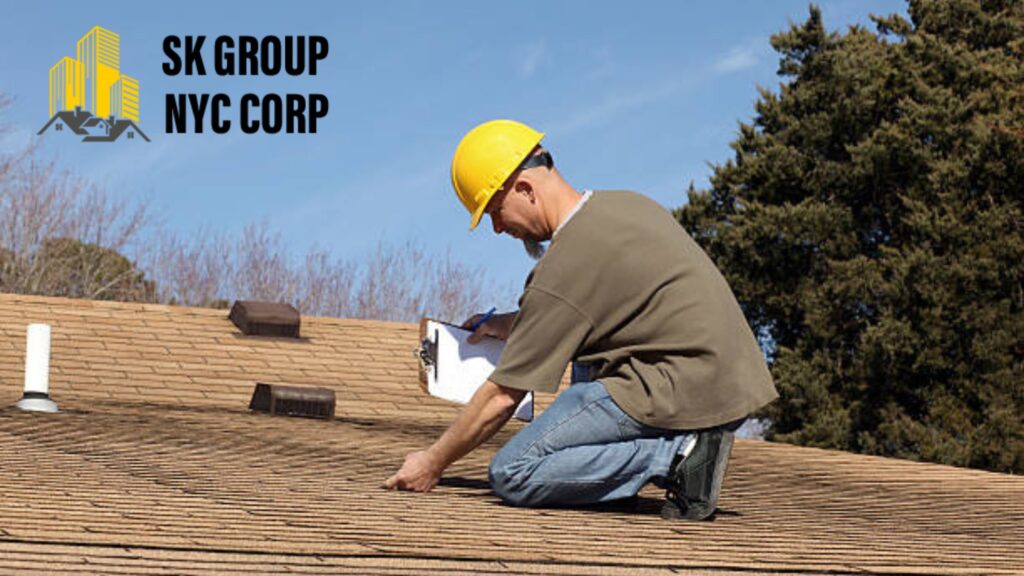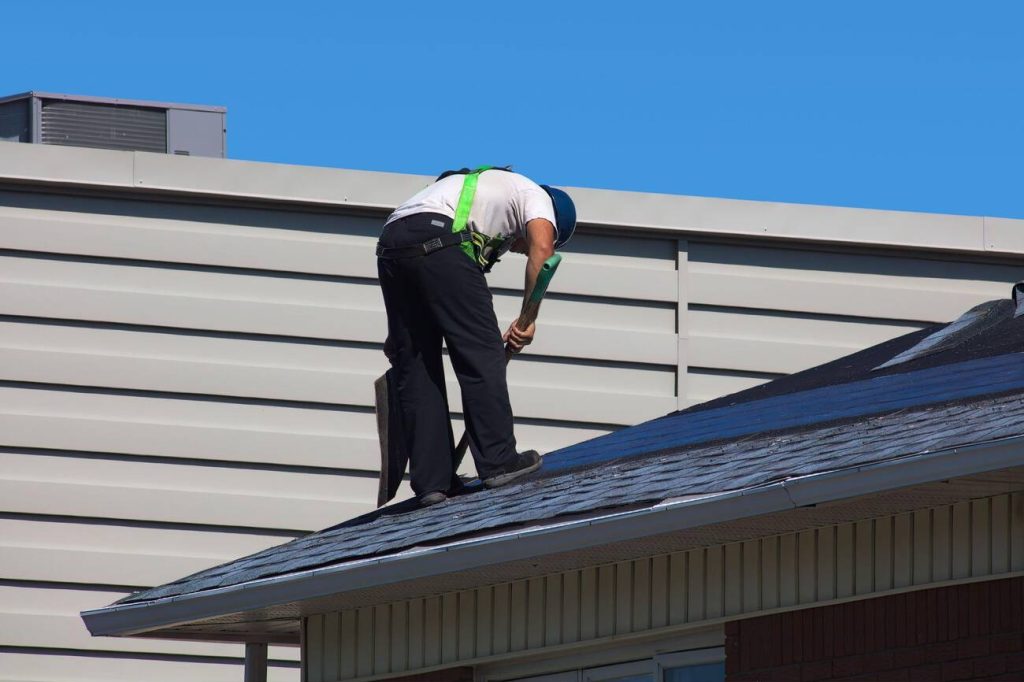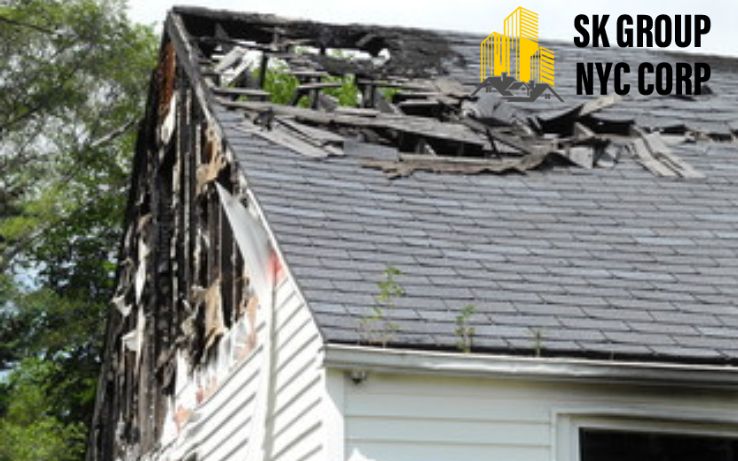
Roof maintenance is the routine inspecting and light upkeep that catches small problems before they become leaks. If you own, manage, or rent out a building in New York City, it is one of the cheapest ways to protect the property. A roof here deals with heavy rain, snow, ice, summer heat, and wind between buildings, and it often sits unseen for months. This guide explains what to inspect, when to inspect it, and which signs mean it is time to call a professional.
How often should a roof be inspected? At least twice a year, in spring and fall, and again after any major storm. Flat roofs, roofs with many drains or equipment, and older roofs benefit from extra checks, especially before winter.
What Roof Maintenance Includes
Good roof maintenance has three parts: looking, cleaning, and recording.
Looking means checking the surface, edges, drains, and the rooms below. Cleaning means clearing debris from drains, gutters, and low spots so water can leave the roof. Recording means writing down what you saw and when, with dated photos. A simple log makes it much easier to tell whether a stain is new or has been growing for a year.
Maintenance is not the same as repair. Maintenance is small and regular. Repair fixes damage that has already happened. The point of the first is to reduce the need for the second.
Roof Maintenance Checklist: What to Inspect
Use this roof inspection checklist as a base. Not every item applies to every building.
Roof surface
Look for cracks, blistering, bubbling, torn sections, loose or missing shingles, and exposed or worn areas. On flat roofs, check for soft spots, wrinkles in the membrane, and any place where the surface looks different from the rest. Surface wear usually appears first near edges, seams, and spots where people walk to reach equipment.
Flashing
Flashing is the metal or membrane strip that seals joints where the roof meets a wall, chimney, vent, or skylight. It is one of the most common places for leaks to start. Look for gaps, lifted edges, rust, and dried or cracked sealant.
Drains, gutters, and scuppers
Drains carry water off the roof, so this is the most important part of roof drainage. Clear leaves, dirt, and trash. After the roof is clear, look for standing water. Water that sits for more than a day or two after rain is called ponding. It adds weight and speeds up wear on the surface.
Seams and penetrations
Penetrations are anything that passes through the roof: pipes, vents, HVAC supports, antennas, and conduits. Each one is a possible entry point for water. Check the seals around them, and check seams on flat roofs for lifting or gaps.
Parapets and edges
Parapets are the short walls around the edge of many NYC roofs. Check the cap or coping on top, the joints, and the wall surface for cracks or loose pieces. Water that gets into a parapet often shows up later as damage inside the building.
Inside the building
Some of the best clues are indoors. Check the top-floor ceilings, attic or crawl space, and areas around skylights and roof access doors. Look for water stains, peeling paint, a musty smell, damp insulation, or bubbling plaster. Check after rain, since some leaks only show when water is actively coming in.
Roof Maintenance Schedule for NYC: Season by Season
A seasonal roof maintenance schedule works better than one big annual check, because the risks change through the year. This table is a practical starting point.
| Season | Focus | What to check |
|---|---|---|
| Spring | Winter damage | Cracks, lifted seams, damaged flashing, debris left by storms, ceiling stains |
| Summer | Heat and rain | Blistering, sealant drying out, drains after heavy rain, rooftop equipment areas |
| Fall | Preparation | Clear drains and gutters, check flashing and seals, trim nearby branches, fix small issues before cold weather |
| Winter | Monitoring | Ice at drains, heavy snow, new interior stains, water backing up near edges |
Also inspect after severe storms, high winds, or any event that might have moved debris or damaged the roof.
Why fall matters most in New York
Freeze-thaw cycles are hard on roofs. Water enters a small crack, freezes, expands, and makes the crack larger. Repeat this many times over a winter and a minor gap becomes a leak. Clearing drains and sealing small openings in fall gives melting snow somewhere to go and leaves less for the ice to work with.
Winter: look, don’t climb
In winter, most checks should happen from inside the building or from a safe vantage point. Watch for ice building up at drains, snow piling in one spot, and new stains on ceilings. Do not walk on a snowy or icy roof.
Flat Roofs vs. Pitched Roofs
Many NYC buildings have flat or low-slope roofs, and they need a slightly different focus.
Flat roof maintenance is mostly about water. Flat roofs do not shed water as quickly, so drains, ponding, and seams matter most. Check the membrane for wrinkles, punctures, and areas where seams have opened. Keep drains and scuppers clear all year.
Pitched roofs shed water faster, so the focus moves to the surface materials. Look for missing, curled, or cracked shingles, damaged flashing at chimneys and vents, and clogged gutters at the roof edge.
Both types need attention at flashing and penetrations. Those are weak points on every roof.
Warning Signs That Need a Professional
Some signs of roof damage are more than routine wear. If you see any of these, arrange a professional inspection soon:
- Water stains or active drips on ceilings or walls
- Water that does not drain from the roof within a day or two
- Sagging or soft areas on the roof surface
- Large cracks, torn membrane, or many missing shingles
- Flashing that has pulled away from a wall or penetration
- Daylight visible through the roof deck from an attic or crawl space
- Mold or a persistent damp smell on the top floor
- Repeated leaks in the same spot
One stain does not always mean the roof has failed, but water usually travels before it shows itself. The leak you see inside is often some distance from where water enters. That is why guessing and patching without a proper inspection can waste money.
What You Can Check Yourself and What to Leave to Professionals
Property owners can do a lot without going on the roof. You can:
- Look at ceilings and walls for stains after rain
- Check the roof from the ground or a window using binoculars
- Clear debris from gutters you can reach safely from the ground or a stable ladder
- Take dated photos and keep a simple maintenance log
- Check after storms and note anything unusual
Leave these to a licensed professional:
- Walking on the roof, especially flat roofs with parapets or roofs with a steep pitch
- Repairing flashing, seams, or membrane
- Working near roof edges, skylights, or equipment
- Anything that involves working at height
Roof work is dangerous. Falls from roofs cause serious injuries, and a wet, icy, or damaged surface makes it worse. If you are not certain it is safe, do not go up. For multi-unit or commercial buildings, property managers should use trained contractors for roof access.
Repair or Replacement?
Most roof problems start small, and a repair is usually the right first step when damage is limited to one area, such as a section of flashing, a few seams, or a small area of worn surface.
Ask about replacement when:
- Problems keep returning in different places
- Damage covers a large area of the roof
- The surface is badly worn throughout
- Repairs are costing more over time than a planned project would
A good contractor will explain the condition of the roof, show you photos, and lay out both options. Be careful with anyone who recommends replacement without a clear explanation or inspection findings. Get more than one opinion if the cost is significant.
If your building needs a roof inspection, repair, or other roofing work, SK Group NYC Corp provides roofing services for property owners and managers across New York City. You can contact the team through the website to discuss your roof.
Frequently Asked Questions
Can I do roof maintenance myself?
You can handle the visual checks and clean what you can reach safely from the ground. Anything on the roof itself, especially flashing, seams, and flat roof membrane, is better done by a trained professional. The risk of falling and the risk of causing damage are both real.
What is the most common cause of roof leaks?
Leaks often start at weak points rather than the middle of the roof. Flashing, seams, penetrations, and clogged drains are common places. Regular roof maintenance focuses on these areas for that reason.
Does a roof need maintenance if there are no leaks?
Yes. Damage often develops for a long time before water gets through. Checks and cleaning in the dry months are what stop it turning into a leak.
Should I check my roof after a storm?
Yes, where it is safe. Look from the ground or from inside the building for debris, missing material, and new stains. If you see damage or have concerns, book a professional inspection instead of waiting for the next scheduled check.
Have Questions? Call Us Now!
+1 (718) 507-7000
We’re here to help quick answers, friendly service, anytime you need!
Contact SK Group NYC
🌐 Website: www.skgroupnyccorp.com
📍 Serving: Manhattan, Brooklyn, Queens, The Bronx, and Staten Island
📍 Address: 87-88 172nd St, Jamaica, New York, NY, United States, New York