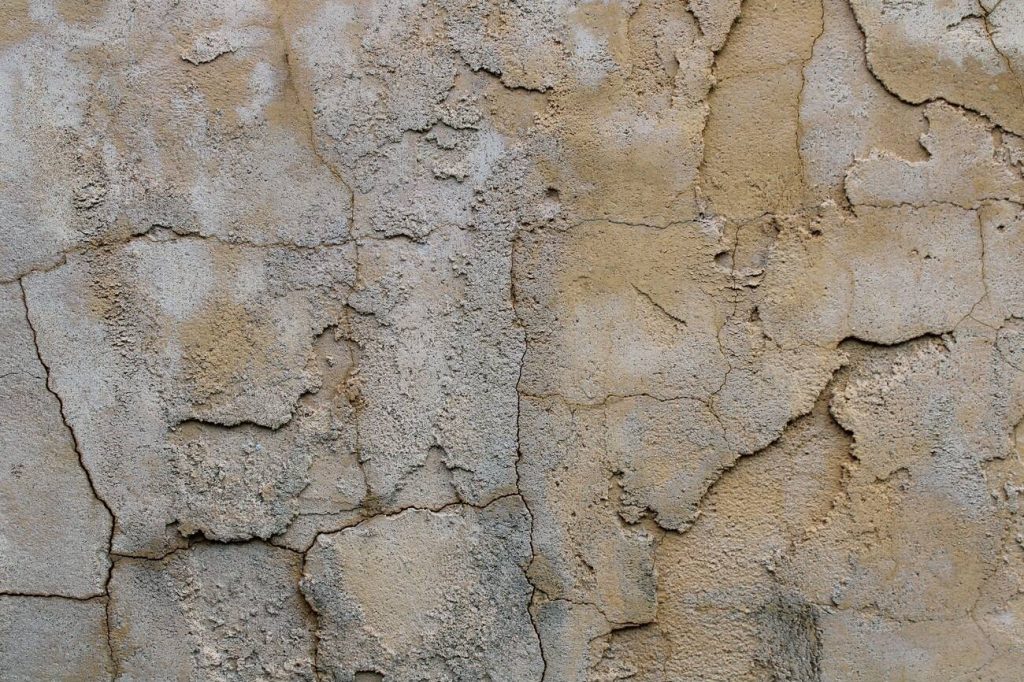
Crumbling mortar, gaps between bricks, and damp patches on an exterior wall can prompt homeowners to search for tuckpointing near me. However, damaged mortar does not always mean an entire wall needs restoration. Some problems require localized repointing, while others involve damaged bricks, water intrusion, or structural movement that calls for a different solution.
Understanding the difference can help you avoid unnecessary expenses and ineffective repairs. This guide explains the warning signs, available repair options, professional tuckpointing services, costs, and what to look for when hiring a masonry contractor in New York City.
What Is Tuckpointing, and When Is It Needed?
Tuckpointing is traditionally a decorative masonry technique that creates the appearance of fine, uniform mortar joints. It involves mortar colored to match the surrounding brick, followed by a narrow contrasting line. However, many contractors in the United States use the term tuckpointing interchangeably with repointing, which involves removing deteriorated mortar and replacing it with suitable new material.
Mortar restoration becomes necessary when joints begin crumbling, separating, or eroding enough to affect the condition of the wall. Proper repointing can restore mortar-joint integrity and reduce pathways for moisture, but it cannot correct every masonry problem.
Before approving repairs, determine whether deterioration is limited to the mortar or involves the bricks, moisture-control details, or structural stability.
What Are the Signs Your Brickwork Needs Tuckpointing?
Mortar deterioration often develops gradually, making early warning signs easy to overlook. Inspect visible brickwork safely from ground level and pay particular attention to exposed walls, chimneys, parapets, and areas near windows.
Common signs include:
- Crumbling mortar: Mortar that powders, flakes, or falls from joints may no longer provide adequate protection.
- Recessed joints: Deeply worn mortar can leave openings that expose the wall to moisture.
- Visible gaps: Open spaces between bricks indicate mortar loss and deserve professional attention.
- Loose or displaced bricks: Movement may involve problems beyond ordinary joint deterioration.
- Persistent dampness: Water stains and white mineral deposits can indicate moisture movement through masonry.
Cracks require particular attention. Small, stable cracks may have relatively minor causes, while widening stair-step cracks, bulging sections, or visible displacement can indicate conditions requiring structural assessment.
Photograph affected areas and observe whether damage changes after heavy rain or seasonal temperature fluctuations. This information can help a contractor identify patterns and recommend an appropriate inspection.
Tuckpointing vs. Repointing: What’s the Difference?
Although contractors sometimes use the terms interchangeably, traditional tuckpointing and repointing have different technical purposes.
Repointing replaces deteriorated mortar to restore the condition of masonry joints. Traditional tuckpointing creates a decorative fine-joint appearance using carefully selected mortar colors and a contrasting finishing line.
Both require suitable materials and proper joint preparation. Neither should involve simply spreading a thin layer of fresh mortar over loose or deteriorated material.
When comparing tuckpointing services near you, ask contractors to describe the actual repair method and expected finish. Clear terminology helps you compare estimates accurately and prevents misunderstandings about the work being purchased.
Does Your Wall Need Spot Repointing, Full Repointing, or Brick Replacement?
The appropriate repair depends on how widespread the damage is, whether the bricks remain sound, and whether the wall is structurally stable.
Localized repointing may be sufficient when a small number of mortar joints have deteriorated. More extensive repointing may be justified when large areas of mortar are failing. Damaged bricks, significant wall movement, or persistent water intrusion require additional investigation.
| Masonry condition | Possible repair approach | Important consideration |
|---|---|---|
| A few deteriorated joints | Spot repointing | Check surrounding mortar condition |
| Widespread mortar erosion | Broader repointing | Identify the extent and cause of deterioration |
| Cracked or severely damaged bricks | Brick replacement and joint repair | Evaluate adjacent masonry |
| Bulging wall or widening cracks | Structural assessment | Investigate possible movement |
| Recurring leaks after repairs | Moisture investigation | Examine flashing, drainage, and other entry points |
A qualified contractor should define the repair boundaries before preparing a quotation. Requesting photographs or marked elevations showing affected sections can make the proposed scope easier to understand.
How Does Professional Tuckpointing Work?
Professional mortar-joint restoration involves more than installing new mortar. The work should follow a planned process based on the condition and construction of the existing masonry.
The typical stages include:
- Inspection: Examine mortar deterioration, brick condition, previous repairs, and potential moisture problems.
- Preparation: Remove defective mortar carefully while protecting surrounding bricks.
- Material selection: Choose compatible mortar based on strength, permeability, appearance, and existing masonry characteristics.
- Application: Install and compact replacement mortar, then finish the joints to the specified profile.
- Curing and inspection: Protect new mortar under appropriate conditions and check completed repairs.
Historic brickwork requires particular care because aggressive removal techniques and incompatible materials can cause additional damage.
Ask the contractor how adjacent surfaces will be protected, what weather conditions are suitable for the work, and how unexpected masonry problems will be handled.
How Much Does Tuckpointing Cost Near You?
The cost of tuckpointing depends on the repair area, existing mortar condition, building accessibility, labor, and materials.
Published national pricing guides commonly estimate tuckpointing at approximately $5–$25 per square foot. However, this broad range is not a confirmed price for New York City properties. Actual quotations may fall outside it depending on project requirements.
For example, repairing a small ground-level section generally requires different equipment and preparation from restoring upper-story brickwork on a Brooklyn brownstone.
Scaffolding, sidewalk protection, compatible historic mortar, damaged brick replacement, and difficult access can significantly affect costs.
Request a written estimate that identifies the work area, removal and replacement methods, materials, access arrangements, cleanup responsibilities, and potential additional expenses. Comparing detailed scopes provides more useful information than relying on advertised square-foot rates alone.
How Do You Choose a Reliable Tuckpointing Contractor Near You?
Finding a reliable contractor requires evaluating relevant experience, professional documentation, and the quality of the proposed repair plan.
A contractor familiar with older NYC brick buildings should understand mortar compatibility, common moisture problems, and how to assess whether localized or extensive repairs are justified.
Before hiring, verify the following:
- Relevant experience: Ask for examples of similar brick restoration projects, ideally with genuine before-and-after photographs.
- Licensing: Confirm applicable NYC Home Improvement Contractor licensing requirements and verify license status through DCWP or NYC 311.
- Insurance: Request appropriate insurance documentation and confirm coverage relevant to the proposed work.
- Written scope: Ensure the estimate identifies repair areas, materials, methods, access arrangements, and exclusions.
- References: Review feedback about workmanship, communication, scheduling, and problem resolution.
For covered residential home improvement work costing more than $200, NYC generally requires a Home Improvement Contractor license. However, licensing, building permits, and landmark approvals are separate matters, and requirements depend on the specific project.
Avoid contractors who recommend extensive repointing without explaining the damage or refuse to provide a clear written proposal.
What Should a Professional Tuckpointing Estimate Include?
A professional tuckpointing estimate should clearly outline the proposed repairs, materials, and project costs rather than simply providing a total price. Before hiring a contractor, homeowners should ensure the written estimate includes:
- Repair scope: The affected wall or facade, approximate repair area, and proposed mortar removal method.
- Materials and finish: Replacement mortar specifications, compatibility with existing brickwork, and expected joint appearance.
- Access requirements: Scaffolding, equipment, and necessary site protection measures.
- Project timeline: Estimated start date, work duration, and cleanup responsibilities.
- Costs and payment terms: Itemized expenses, payment milestones, and applicable warranty details.
- Additional repairs: Procedures for identifying, pricing, and approving unexpected damage or brick replacement.
For older masonry, ask whether a sample repair area is necessary to confirm mortar compatibility and appearance. Comparing detailed estimates helps homeowners evaluate contractors fairly, identify potential additional costs, and avoid incomplete repair proposals.
What Tuckpointing Mistakes Should Homeowners Avoid?
One common mistake is choosing replacement mortar based only on strength or color. Mortar that is excessively hard or insufficiently permeable can contribute to deterioration of older, softer bricks.
Another mistake is accepting superficial patching over loose mortar. Proper repointing requires suitable joint preparation so the replacement material can perform as intended.
Homeowners should also avoid assuming that mortar repairs will resolve every crack or moisture problem. Damaged flashing, inadequate drainage, deteriorated masonry units, and structural movement may require separate attention.
Finally, choosing the lowest quotation without comparing repair methods can lead to misleading comparisons. The value of a proposal depends on its scope, material suitability, workmanship, and how clearly responsibilities are defined.
What Should NYC Property Owners Know About Older Brickwork?
New York City’s older brick buildings, including historic brownstones, may contain softer bricks and mortar systems that differ from modern construction materials.
Using replacement mortar that is too hard or dense can damage some historic masonry, making material compatibility especially important.
Certain qualifying ordinary brick repointing projects may be exempt from NYC Department of Buildings permits. However, larger facade repairs, structural work, and other project conditions may involve additional requirements.
Properties designated as landmarks or located within historic districts may also require Landmarks Preservation Commission approval.
Buildings subject to NYC’s periodic facade inspection requirements can have further obligations. Confirm the rules applicable to your property before scheduling work, particularly when repairs involve elevated or publicly exposed facades.
Final Thoughts
Finding reliable tuckpointing services starts with understanding the cause and extent of the damage. The right repair should address deteriorated mortar while accounting for brick condition, moisture problems, and the building’s construction.
For NYC property owners dealing with deteriorating mortar or damaged brickwork, SK Group NYC Corp offers professional masonry services to help assess repair needs and explore suitable restoration options. Contact the team to discuss your property’s condition and request an estimate based on the required work. Choosing the right repair approach can help protect your brickwork and maintain its appearance over time.
Frequently Asked Questions
How Do I Know If My House Needs Tuckpointing?
Crumbling mortar, open joints, and significant erosion can indicate the need for repointing. A professional inspection helps determine whether the bricks remain sound and whether moisture or movement is contributing to deterioration.
Is Tuckpointing the Same as Repointing?
Not technically. Repointing replaces deteriorated mortar, while traditional tuckpointing creates decorative fine-joint detailing. Many contractors use the terms interchangeably, so confirm the exact work included in an estimate.
Can Tuckpointing Fix Cracked Bricks?
No. Replacing mortar does not repair damaged brick units. Severely deteriorated bricks may require replacement, while cracks associated with wall movement need further professional investigation.
How Long Does Tuckpointing Usually Last?
There is no guaranteed lifespan. Durability depends on mortar compatibility, workmanship, moisture exposure, weather conditions, and the overall condition of the masonry.
Can Tuckpointing Help Prevent Water Intrusion?
Proper repointing can reduce water entry through damaged mortar joints. However, leaks caused by roofing, flashing, drainage, or other building defects require separate investigation and repair.
Have Questions? Call Us Now!
+1 (718) 507-7000
We’re here to help quick answers, friendly service, anytime you need!
Contact SK Group NYC
🌐 Website: www.skgroupnyccorp.com
📍 Serving: Manhattan, Brooklyn, Queens, The Bronx, and Staten Island
📍 Address: 87-88 172nd St, Jamaica, New York, NY, United States, New York