Water damage is one of the most common and expensive problems affecting buildings, especially in urban environments like New York City. From aging brownstone properties to modern commercial buildings, constant exposure to rain, humidity, groundwater pressure, and temperature changes can gradually weaken concrete and masonry surfaces.
Small moisture issues can quickly become major structural concerns. Water intrusion may lead to damaged walls, mold growth, deteriorating concrete, cracked surfaces, and costly repairs if not addressed properly.
That is why professional waterproofing systems such as Thorocoat waterproofing and Thoroseal waterproofing are widely used for protecting concrete and masonry structures. These products are designed for different applications, and selecting the right solution depends on the building condition, moisture source, and surface requirements.
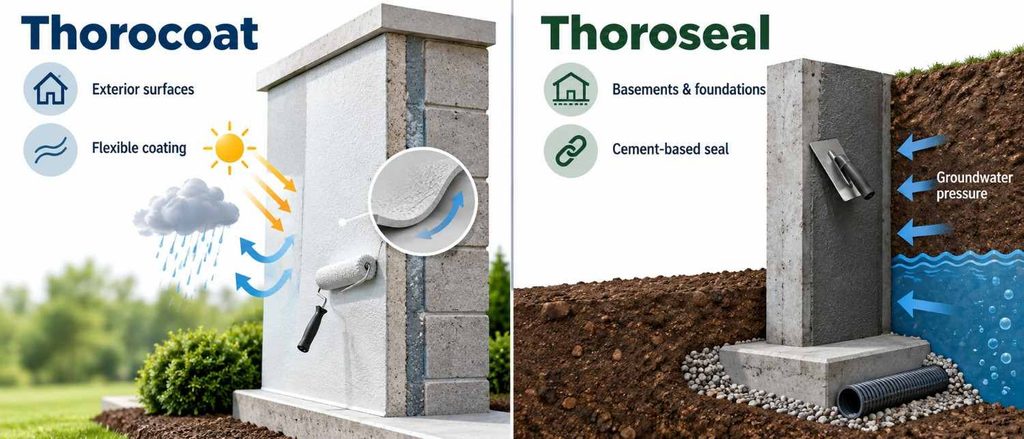
Thorocoat is mainly used as a flexible exterior waterproof coating that protects exposed surfaces from weather damage. Thoroseal is a cement-based waterproofing system commonly used for foundations, basements, and below-grade masonry structures where water pressure is a concern.
At SK Group NYC Corp, waterproofing projects focus on proper inspection, surface preparation, and choosing suitable waterproofing solutions based on each property’s specific needs.
Quick Answer: What Are Thorocoat and Thoroseal Waterproofing?
Thorocoat waterproofing is an elastomeric protective coating designed for concrete and masonry surfaces. Its flexible properties allow it to handle minor surface movement while creating a protective barrier against moisture, weather exposure, and environmental damage.
Thoroseal waterproofing is a cement-based coating that bonds with concrete and masonry surfaces to help prevent water penetration. It is commonly used for basements, foundations, retaining walls, and other below-grade applications.
Main Difference:
- Thorocoat: Best for flexible exterior surface protection
- Thoroseal: Best for cement-based waterproofing of concrete and masonry structures
Both systems can provide long-lasting protection when professionally applied with proper surface preparation.
What Is Thorocoat Waterproofing?
Thorocoat is a high-performance elastomeric waterproof coating designed to protect exposed concrete and masonry surfaces. Unlike traditional rigid coatings, Thorocoat has flexibility that allows it to expand and contract with minor structural movement.
This makes it especially useful for exterior applications where surfaces experience changing weather conditions.
Common Thorocoat applications include:
- Exterior concrete walls
- Building facades
- Masonry surfaces
- Parapets
- Above-grade structures
- Commercial and residential buildings
A properly installed Thorocoat coating creates a seamless protective layer that helps reduce water penetration while improving the appearance of exterior surfaces.
Benefits of Thorocoat Waterproofing
1. Flexible Moisture Protection
Buildings naturally experience movement caused by temperature changes and material expansion. Thorocoat’s flexibility allows it to adapt to minor surface movement while maintaining protection.
2. Weather Resistance
NYC buildings experience seasonal weather changes, including heavy rainfall, snow, and temperature fluctuations. Thorocoat helps protect exposed surfaces from moisture-related deterioration.
3. UV Protection
Because it is designed for exterior applications, Thorocoat provides resistance against sunlight exposure and helps maintain surface performance.
4. Improved Surface Appearance
Besides waterproofing benefits, Thorocoat can provide a cleaner and more uniform finish on exterior concrete and masonry surfaces.
5. Moisture Vapor Management
A properly applied coating helps reduce water intrusion while allowing trapped moisture vapor to escape, helping prevent moisture-related problems.
What Is Thoroseal Waterproofing?
Thoroseal is a cement-based waterproofing coating designed for concrete and masonry structures. It creates a strong bond with porous surfaces and is commonly selected for areas exposed to water pressure.
Unlike exterior flexible coatings, Thoroseal is often used where moisture protection is needed below ground level.
Common applications include:
- Basement walls
- Foundation walls
- Retaining walls
- Concrete structures
- Underground masonry surfaces
- Water containment structures
Thoroseal works by bonding with the substrate and creating a protective waterproof barrier.
Benefits of Thoroseal Waterproofing
- Strong Concrete Bonding: Because Thoroseal is cement-based, it bonds effectively with compatible concrete and masonry surfaces.
- Ideal for Basement Waterproofing: Basements often experience moisture problems caused by groundwater pressure. Thoroseal is commonly used for below-grade waterproofing applications.
- Helps Prevent Water Seepage: When properly applied, Thoroseal helps reduce moisture penetration through porous concrete and masonry surfaces.
- Suitable for Different Masonry Applications: Thoroseal can be used on various concrete and masonry structures, making it a versatile waterproofing solution.
Why NYC Buildings Need Professional Waterproofing
New York City has many older buildings with masonry construction, brick facades, and below-grade foundations. Over time, these structures can develop moisture problems due to age, weather exposure, and changing environmental conditions.
Common NYC Waterproofing Challenges
Basement Water Intrusion
Many NYC properties experience basement moisture caused by:
- Groundwater pressure
- Foundation cracks
- Poor drainage
- Aging waterproofing systems
Exterior Masonry Damage
Brick and concrete surfaces are constantly exposed to rain and seasonal weather changes. Without proper protection, moisture can enter through cracks and damaged areas.
Freeze-Thaw Damage
During colder months, water that enters cracks can freeze and expand, causing additional surface damage.
Aging Building Materials
Older masonry structures often require professional inspection and maintenance to prevent long-term deterioration.
Thorocoat vs Thoroseal Waterproofing: Complete Comparison
Thorocoat and Thoroseal are both designed to protect concrete and masonry surfaces from moisture damage, but they work differently. Understanding their differences helps property owners choose the right waterproofing approach for exterior walls, basements, and foundations.
| Feature | Thorocoat Waterproofing | Thoroseal Waterproofing |
|---|---|---|
| Product Type | Elastomeric waterproof coating | Cement-based waterproof coating |
| Best Location | Exterior and exposed surfaces | Foundations and below-grade areas |
| Flexibility | High flexibility | Strong but more rigid |
| Main Purpose | Weather and moisture protection | Water penetration resistance |
| Common Uses | Walls, facades, parapets | Basements, foundations, retaining walls |
| Application Method | Brush, roller, or spray | Brush or trowel application |
| Best For | Surface protection | Structural waterproofing |
Applications of Thorocoat and Thoroseal Waterproofing
Choosing the right waterproofing system depends on the location, surface condition, and type of moisture problem. A professional evaluation helps determine whether a flexible exterior coating or cement-based waterproofing solution is the better choice.
Thorocoat Applications
Exterior Concrete Walls and Building Facades
Thorocoat is commonly used on exposed exterior surfaces where buildings need protection from rain, humidity, and environmental damage.
It helps protect:
- Concrete walls
- Exterior masonry surfaces
- Building facades
- Commercial structures
- Residential properties
For NYC buildings, exterior wall protection is especially important because repeated moisture exposure can gradually damage concrete and masonry surfaces.
Parapets and Roof Edge Areas
Parapets and roof edges are highly exposed areas where water can collect and penetrate vulnerable surfaces.
A properly applied waterproof coating helps reduce moisture entry and protects these areas from weather-related deterioration.
Commercial and Residential Construction
Thorocoat can be used for different property types, including:
- Apartment buildings
- Office properties
- Retail buildings
- Residential homes
- Masonry structures
The coating provides both functional protection and improved surface appearance.
Thoroseal Applications
Basement Waterproofing
Basements are one of the most common areas affected by water intrusion. Underground walls experience pressure from surrounding soil, making proper waterproofing essential.
Thoroseal is commonly used for:
- Basement walls
- Foundation surfaces
- Concrete floors
- Below-grade masonry
A professional application helps reduce moisture penetration and protects interior spaces from water damage.
Foundation Waterproofing
Foundation problems can become serious if moisture enters cracks or porous concrete.
Thoroseal is often selected for foundation waterproofing because it bonds directly with masonry and concrete surfaces.
Proper foundation waterproofing helps protect against:
- Water seepage
- Damp walls
- Structural deterioration
- Interior moisture issues
Retaining Walls and Concrete Structures
Retaining walls and concrete structures are constantly exposed to moisture pressure.
Thoroseal can help provide additional protection for:
- Retaining walls
- Utility structures
- Concrete surfaces
- Water-related construction areas
Professional Waterproofing Application Process
The performance of any waterproofing product depends heavily on proper preparation and installation.
Even high-quality materials may fail if the surface is not prepared correctly.
Step 1: Building Inspection and Moisture Assessment
Before applying any waterproofing system, professionals inspect the structure carefully.
The evaluation usually includes:
- Identifying water entry points
- Checking cracks and damaged areas
- Inspecting existing coatings
- Evaluating surface conditions
- Understanding drainage issues
A common mistake is applying waterproofing over an unresolved moisture problem. The source of water should always be addressed first.
Step 2: Surface Preparation
Proper preparation is one of the most important parts of waterproofing.
The surface may require:
- Cleaning dirt and debris
- Removing loose materials
- Repairing cracks
- Filling damaged areas
- Removing old failing coatings
A clean and stable surface allows better bonding and improves waterproofing performance.
Step 3: Applying Thorocoat Waterproofing
For Thorocoat applications, professionals typically:
- Prepare the exterior surface
- Apply the coating evenly
- Add additional coats if required
- Allow proper curing time
Application methods may include:
- Roller application
- Brush application
- Spray equipment
The final thickness and coverage depend on project requirements.
Step 4: Applying Thoroseal Waterproofing
Thoroseal application requires careful mixing and surface preparation.
The process generally includes:
- Cleaning and dampening the concrete or masonry surface
- Mixing the product according to manufacturer guidelines
- Applying the cement-based coating evenly
- Allowing proper curing conditions
Proper curing is important because cement-based waterproofing requires time to achieve maximum strength.
Signs Your Building May Need Waterproofing
Many property owners wait until water damage becomes visible. Early identification can help prevent expensive repairs.
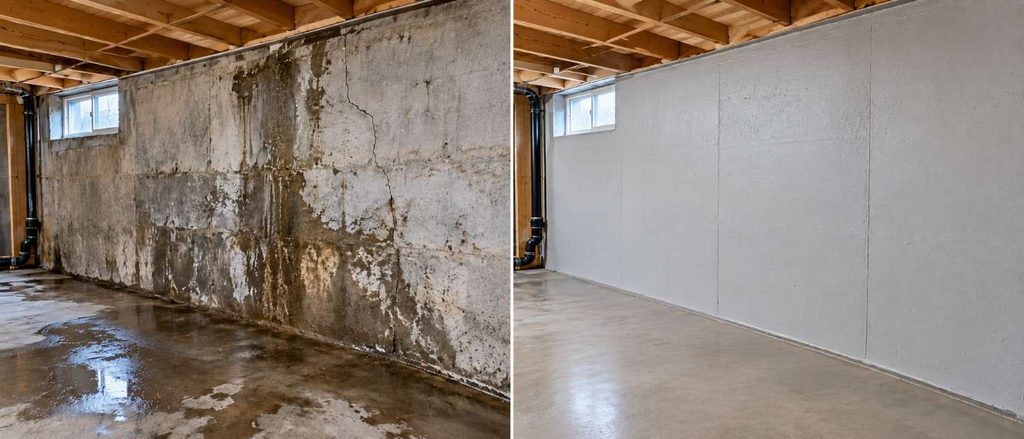
Common warning signs include:
1. Water Stains on Walls
Brown marks, discoloration, or damp areas may indicate moisture entering through walls or foundations.
2. Basement Dampness
Signs include:
- Musty odors
- Wet surfaces
- Increased humidity
- Visible moisture
Basement moisture problems should be addressed before they cause larger issues.
3. White Powder on Concrete or Brick Surfaces
This condition is called efflorescence.
It occurs when moisture moves through masonry and leaves behind mineral deposits.
While efflorescence is not always a structural issue, it can indicate ongoing moisture movement.
4. Cracks in Concrete or Masonry
Cracks can allow water to enter deeper into building materials.
Professional inspection helps determine whether cracks are cosmetic or require repair.
5. Peeling Paint or Interior Damage
Moisture behind walls may cause:
- Peeling paint
- Damaged finishes
- Mold growth
- Interior deterioration
Common Waterproofing Mistakes to Avoid
Proper waterproofing requires more than simply applying a coating.
Here are common mistakes property owners should avoid:
Applying Waterproofing Without Surface Preparation
A coating applied over dirt, damaged material, or moisture problems may not bond correctly.
Surface preparation is essential for long-term performance.
Choosing the Wrong Waterproofing System
Not every product works for every situation.
For example:
- Exterior walls may require flexible protection
- Foundations may require cement-based waterproofing
Selecting the wrong solution can reduce effectiveness.
Ignoring Existing Structural Problems
Waterproofing cannot replace necessary repairs.
Before application, professionals should evaluate:
- Foundation cracks
- Drainage issues
- Damaged masonry
- Structural concerns
Poor Application Techniques
Incorrect thickness, uneven coverage, or insufficient curing can reduce waterproofing performance.
Professional installation helps ensure proper results.
Maintenance Tips After Waterproofing
Waterproofing systems perform better when properly maintained.
Recommended maintenance practices include:
- Regular Inspections: Check exterior walls, foundations, and basement areas periodically for signs of moisture.
- Repair Small Issues Early: Minor cracks and damage should be addressed before they become larger problems.
- Maintain Proper Drainage: Blocked drainage systems can increase water pressure around foundations.
Monitor Basement Conditions
Watch for:
- New odors
- Dampness
- Wall discoloration
- Moisture buildup
Early action can prevent expensive restoration work.
Why Professional Waterproofing Services Matter in NYC
Waterproofing is not simply a product application. It requires understanding building materials, moisture behavior, and construction conditions.
NYC properties often have unique challenges, including:
- Older masonry construction
- Aging foundations
- Dense urban environments
- Below-grade moisture pressure
- Weather exposure
A professional waterproofing contractor evaluates these conditions before recommending a solution.
At SK Group NYC Corp, waterproofing projects focus on proper inspection, quality preparation, and applying suitable systems for concrete and masonry protection. The goal is to help property owners protect their buildings from moisture damage while improving long-term durability.
Frequently Asked Questions
What is the main difference between Thorocoat and Thoroseal?
Thorocoat is a flexible elastomeric waterproof coating mainly used for exposed exterior surfaces. Thoroseal is a cement-based waterproofing coating commonly used for foundations, basements, and masonry structures where stronger bonding is required.
Can Thorocoat and Thoroseal be used on the same building?
Yes. Different areas of a building may require different waterproofing approaches. For example, Thoroseal may be suitable for basement foundations, while Thorocoat may be better for exterior walls.
How long does waterproofing protection last?
The lifespan depends on several factors, including:
- Surface condition
- Installation quality
- Weather exposure
- Maintenance
Proper preparation and professional application help extend waterproofing performance.
Is Thoroseal good for basement waterproofing?
Yes. Thoroseal is commonly used for basement and foundation waterproofing because it bonds with concrete and masonry surfaces and helps reduce water penetration.
Why do NYC buildings need waterproofing?
Many NYC buildings experience moisture challenges due to aging construction materials, heavy rainfall, groundwater pressure, and seasonal temperature changes. Professional waterproofing helps protect structural surfaces from long-term damage.
Final Thoughts
Thorocoat and Thoroseal waterproofing systems provide reliable solutions for protecting concrete and masonry structures from moisture damage. However, choosing the correct system and applying it properly are just as important as the product itself.
Thorocoat offers flexible exterior protection for exposed surfaces, while Thoroseal provides strong cement-based waterproofing for foundations, basements, and masonry structures.
For NYC property owners, professional waterproofing can help prevent costly repairs, protect structural integrity, and extend the life of buildings. A properly planned waterproofing system is an investment that helps keep properties safer, stronger, and better protected for years to come.
Have Questions? Call Us Now!
+1 (718) 507-7000
We’re here to help quick answers, friendly service, anytime you need!
Contact SK Group NYC
🌐 Website: www.skgroupnyccorp.com
📍 Serving: Manhattan, Brooklyn, Queens, The Bronx, and Staten Island
📍 Address: 87-88 172nd St, Jamaica, New York, NY, United States, New York