A 20×20 paver patio typically costs $4,000 to $6,800 for a straightforward professional installation. Because a 20×20 patio covers 400 square feet, the calculation is simple:
400 square feet × $10 to $17 per square foot = $4,000 to $6,800
Premium stone, difficult access, extensive excavation, drainage work, or higher local labor rates can push the total to $8,000, $12,000, or more.
Your final paver patio cost depends on more than the price of the pavers. A complete estimate must account for excavation, base preparation, labor, delivery, edge restraints, drainage, cutting, material waste, and finishing work.
Average Paver Patio Cost for a 20×20 Space
For a basic 400-square-foot patio on a level and accessible site, $4,000 to $6,800 is a reasonable planning range. This estimate reflects an installed cost of approximately $10 to $17 per square foot.
A mid-range project may include upgraded pavers, decorative borders, additional cuts, or more extensive grading. Premium stone, restricted access, demolition, steps, or drainage corrections can raise the total considerably.
New York City projects may cost more than the national average. Narrow access, hand-carried materials, soil disposal, parking restrictions, local labor rates, and property-specific requirements can increase the time and effort involved. An on-site assessment is necessary for an accurate estimate.
20×20 Paver Patio Cost Breakdown
The following ranges can help you establish an initial budget. Actual patio installation costs depend on the selected materials, property conditions, design, and local labor rates.
| Project level | Installed cost per sq. ft. | Cost for 400 sq. ft. | Common features |
|---|---|---|---|
| Basic | $10–$17 | $4,000–$6,800 | Standard concrete pavers, simple pattern, level site, normal access |
| Mid-range | $18–$25 | $7,200–$10,000 | Upgraded concrete or brick, borders, added cuts or grading |
| Premium | $26–$50+ | $10,400–$20,000+ | Natural stone, detailed patterns, difficult access, major preparation or drainage |
Paver Materials
The visible pavers are only one part of the total budget. Standard concrete pavers are usually the most economical option because they are widely available, consistent in size, and relatively efficient to install.
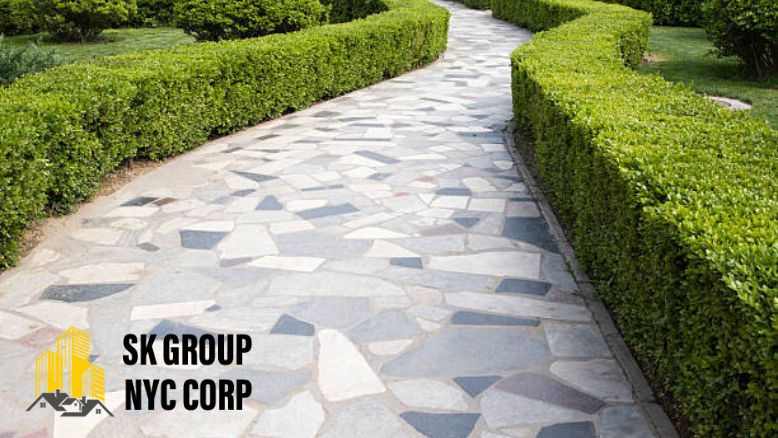
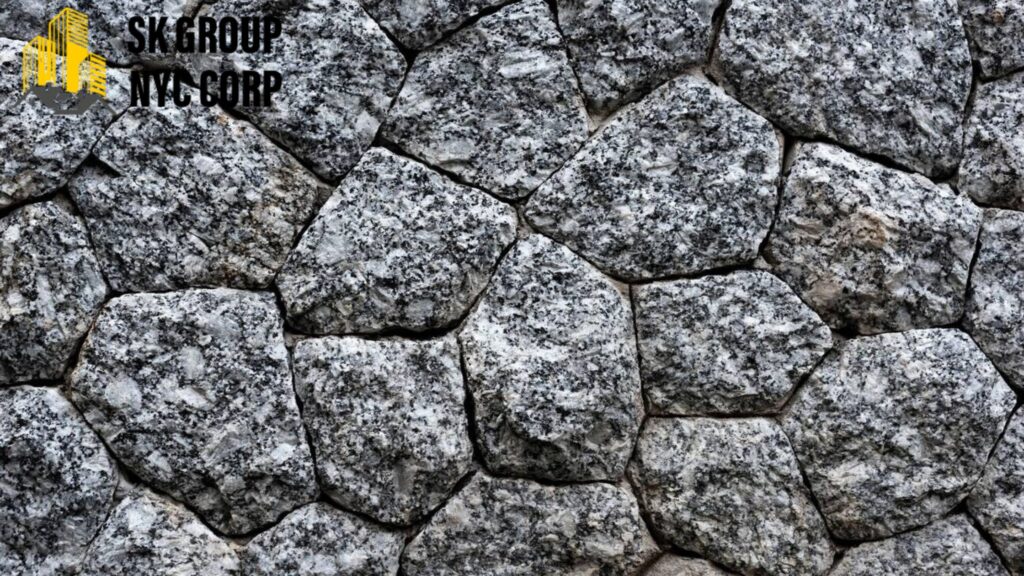
Clay brick generally costs more than basic concrete. Natural stone prices vary considerably depending on the stone type, thickness, source, availability, and amount of cutting required.
Installers also need more than the finished 400 square feet of material. Extra pavers are required for cuts, breakage, pattern alignment, and possible future repairs. A simple layout usually produces less waste than a diagonal or detailed pattern.
Labor and Installation
Professional labor can account for a substantial portion of the paver installation cost. The work may include:
- Measuring and laying out the patio
- Excavating and removing soil
- Grading the site
- Installing and compacting the aggregate base
- Preparing the bedding layer
- Placing and cutting pavers
- Installing edge restraints
- Filling and compacting the joints
Professional installation labor commonly costs approximately $4 to $11 per square foot. Local wages, access, crew size, and design complexity determine the final labor charge.
Excavation and Base Preparation
A durable patio requires a stable foundation. The installer must excavate the area, evaluate the soil, install an appropriate aggregate base, compact it in layers, and prepare a consistent bedding surface.
The correct excavation and base depth depends on the soil, climate, drainage conditions, paver system, and intended use of the patio.
Soft soil, tree roots, buried concrete, or an existing patio can increase excavation and disposal costs. Reducing the base preparation may lower the initial quote, but it can lead to settlement, uneven joints, and moving pavers.
Drainage, Edging, and Finishing Work
A patio should direct water away from the home without sending excess runoff onto neighboring property. Proper grading, a suitable base, and drains where necessary help manage water.
Edge restraints prevent the perimeter pavers from spreading. Joint sand helps stabilize the surface and reduce movement. Sealing is optional for many paver systems and should be listed separately if included in the project.
Factors That Affect Paver Patio Cost
Type and Quality of Pavers
Standard concrete pavers generally cost less than clay brick or natural stone. Textured surfaces, custom colors, large formats, imported materials, and specialty finishes can increase the material price.
Thickness and intended use also matter. Pavers made for a pedestrian patio may differ from products designed for driveways or other surfaces exposed to vehicle loads.
Site Access and Existing Conditions
Easy equipment access can reduce labor and material-handling time. Narrow passages, stairs, fences, or interior-only access may require workers to carry materials and remove soil by hand.
Concrete demolition, deck removal, tree roots, buried obstacles, and excessive soil disposal create additional costs. These items should appear separately in the contractor’s estimate.
Patio Design and Installation Pattern
A rectangular patio with a repeating pattern is typically less expensive to install than a curved design with multiple colors, borders, or irregular stone.
Diagonal layouts, herringbone patterns, medallions, and detailed borders require additional planning, cutting, and material. Steps, retaining walls, fire pits, lighting, seat walls, and outdoor kitchens should be treated as separate project features.
Local Labor and Permit Requirements
Labor rates vary by region. Projects in New York City may cost more because of limited access, transportation challenges, disposal requirements, and higher operating costs.
Permit requirements depend on the property and scope of work. Additional approvals may be needed if construction affects a sidewalk, utilities, drainage system, structure, landmarked property, or another regulated area.
Patio contractors working on qualifying residential projects in New York City generally need a Home Improvement Contractor license. Homeowners should verify contractor credentials and determine the applicable permit requirements before construction begins.
Concrete, Brick, or Natural Stone: Which Costs More?
Concrete pavers are generally the most affordable choice. They come in numerous sizes, colors, textures, and shapes. Their consistent dimensions make installation predictable, and individual damaged units can usually be replaced.
Clay brick offers a traditional appearance and rich color. It works particularly well with classic and historic properties. However, material costs, transportation, cutting, and installation can make brick more expensive than standard concrete pavers.
Natural stone typically has the widest price range. Variations in thickness, shape, and color create a distinctive surface but require additional sorting, leveling, and cutting. Natural stone is best suited to projects where its appearance justifies the higher material and installation cost.
There is no single best material for every patio. The right option depends on the property’s architecture, climate, maintenance expectations, intended use, and available budget.
DIY vs. Professional Paver Patio Installation
DIY installation can reduce labor expenses, but it does not eliminate delivery, excavation, disposal, equipment rental, aggregate, bedding material, edging, cutting equipment, or waste.
A 400-square-foot patio requires moving substantial quantities of soil, gravel, sand, and pavers. The work also requires accurate measurements, consistent grading, thorough compaction, and safe use of cutting and excavation equipment.
The most serious DIY risks involve the foundation and drainage. Inadequate compaction can cause sections of the patio to settle. Poor grading can direct water toward the foundation or create standing water.
Professional paver installation is usually the practical choice for unstable soil, difficult access, natural stone, complex drainage, or patios connected to steps and walls. DIY may be reasonable for an experienced homeowner with adequate help, suitable equipment, and a simple, accessible site.
How to Plan a Realistic Patio Budget
Begin with the total area of 400 square feet, then define the complete scope before comparing contractor prices.
Choose a material category and installation pattern. Identify whether the project requires demolition, excavation, grading, drainage, or soil removal. Determine if the quoted price includes delivery, edge restraints, joint material, cleanup, and restoration of disturbed landscaping.
Ask each contractor to specify:
- Paver manufacturer and product
- Base material and compacted depth
- Bedding and jointing method
- Excavation and disposal work
- Drainage approach
- Material waste allowance
- Project schedule
- Payment stages
- Warranty terms
- Permit responsibilities
Comparing only the final price can hide important differences in materials and preparation. A lower estimate may exclude excavation, disposal, drainage, or other work needed for a durable patio.
Keep part of your budget available for conditions that cannot be confirmed until excavation begins. Buried concrete, poor soil, roots, or unexpected drainage issues can change the scope.
Frequently Asked Questions
How much does a 20×20 paver patio cost?
A straightforward 20×20 paver patio typically costs $4,000 to $6,800, based on an installed rate of $10 to $17 per square foot. Upgraded materials, excavation, limited access, complex designs, or drainage work can increase the total to $8,000 to $20,000 or more.
How long does it take to install a 400-square-foot paver patio?
A professional crew can often install a straightforward 400-square-foot patio within several working days. Demolition, difficult access, detailed patterns, grading, inspections, or unfavorable weather can extend the schedule.
Do pavers increase a home’s value?
A well-designed and properly installed patio may improve outdoor functionality and buyer appeal. However, no fixed return is guaranteed. The effect on property value depends on local demand, installation quality, condition, and how well the patio suits the home.
What is the most affordable paver option?
Standard concrete pavers installed in a simple repeating pattern are usually the most affordable option. A level site, easy access, minimal cutting, and no demolition can help keep the total cost under control.
Final Thoughts
For initial planning, use $4,000 to $6,800 as the baseline paver patio cost for a straightforward 20×20 installation. Increase the budget for premium materials, restricted access, demolition, decorative details, or drainage corrections.
The most useful estimate will describe the complete installation instead of providing only a price per square foot. New York City homeowners can contact SK Group NYC Corp for a site-specific estimate based on the chosen materials, property access, preparation requirements, and patio design.
Have Questions? Call Us Now!
+1 (718) 507-7000
We’re here to help quick answers, friendly service, anytime you need!
Contact SK Group NYC
🌐 Website: www.skgroupnyccorp.com
📍 Serving: Manhattan, Brooklyn, Queens, The Bronx, and Staten Island
📍 Address: 87-88 172nd St, Jamaica, New York, NY, United States, New York