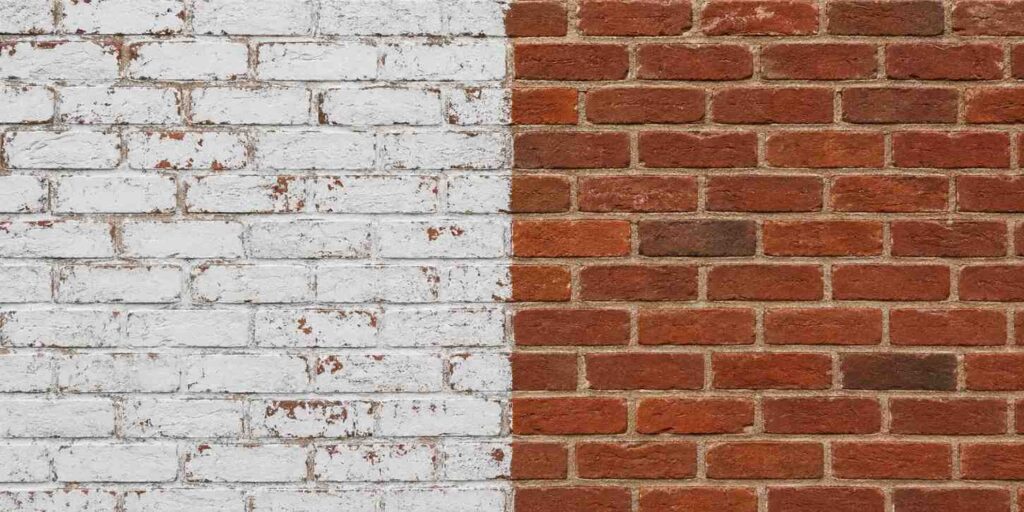
The wrong removal method can take off more than paint. High-pressure washing, grinding, or hard scraping may strip the fired face of a brick, open its pores, and erode surrounding mortar. So, How Do You Remove Paint from Brickwork safely? Test a hidden area, apply a masonry-compatible remover, allow the correct dwell time, and lift the softened coating with non-abrasive tools before cleaning gently.
The safest approach depends on the paint, the masonry condition, and how deeply the coating has penetrated. The goal is to remove it without weakening the wall or creating moisture problems.
Quick Answer: How Do You Remove Paint from Brickwork Safely?
Protect nearby surfaces, identify the coating where possible, and test a small section. Apply a paint stripper made for masonry, follow the recommended dwell time, and remove softened paint with a plastic scraper and stiff nylon brush. Rinse or neutralize the wall exactly as the product directs.
Do not use pressure washing, heat, sanding, or abrasive blasting as default solutions; they can damage brick faces, mortar joints, and the wall behind them.
Why Brick Paint Removal Requires Care
Brick is porous, so paint can settle below the visible surface. Mortar is usually softer, especially on older properties with lime-based joints. A powerful removal method may scratch the masonry, wash out mortar, or leave the wall more absorbent.
Also consider why the wall was painted. The coating may hide repairs, staining, damaged brick, or earlier damp problems.
Identify the Paint and Inspect the Masonry
Before deciding How Do You Remove Paint from Brickwork, check both the coating and the condition of the wall.
Identify the Paint Type
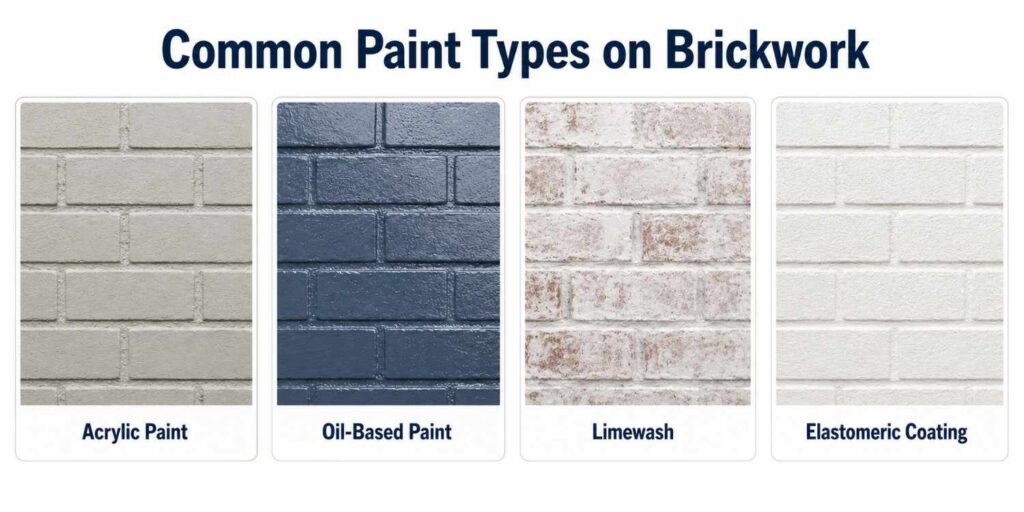
Different finishes need different treatments:
- Acrylic or latex paint may respond to a water-based or alkaline masonry remover.
- Oil-based paint often needs a solvent-compatible stripper.
- Limewash may loosen with gentle wet brushing.
- Elastomeric coatings may require more than one application.
Test a small hidden area first, especially when the coating is unknown.
Check the Brick and Mortar
Look for crumbling brick, flaking faces, cracked mortar, damp patches, salt deposits, and previous repairs. These problems may make pressure washing or aggressive scraping unsafe.
Consider Lead Paint and Weather
Older paint may contain lead, so avoid sanding, grinding, burning, or pressure washing until it has been tested.
For exterior work, choose dry, mild weather. Strong sunlight can dry the stripper too quickly, while rain may dilute it and spread residue.
Tools and Protective Equipment
Prepare a masonry-safe remover, plastic scrapers, nylon brushes, chemical-resistant gloves, eye protection, protective clothing, sheeting, tape, buckets, sponges, clean water, and any specified neutralizer. Use respiratory protection when the product label requires it.
Avoid wire wheels, grinding discs, and sharp metal scrapers because they may permanently mark the brick.
How Do You Remove Paint from Brickwork Step by Step?
1. Protect the Work Area
Cover paving, plants, windows, timber, metalwork, and nearby finishes. Indoors, isolate and ventilate the room. Plan to contain paint sludge and contaminated water so they do not enter soil or storm drains.
2. Complete a Test Patch
Choose a discreet section containing both brick and mortar. Apply the remover at the recommended thickness and allow the stated dwell time.
Check whether the paint softens, the masonry changes color, and scraping remains gentle. Let the section dry before judging it because damp brick can hide staining.
3. Apply the Masonry Paint Remover
Once the test succeeds, work in manageable sections and apply an even layer. Some systems use a membrane to keep the remover active and draw softened paint from the pores.
Do not mix products. A stripper made for timber or metal may stain masonry or leave residue.
4. Respect the Dwell Time
Scraping too early encourages force, while allowing the remover to dry can make removal harder. Check a corner at intervals and begin when the coating releases cleanly. Multiple layers may need a second controlled application.
5. Lift the Softened Paint
Hold a plastic scraper at a shallow angle and push gently. Use a nylon brush for textured brick and mortar joints without digging into them. Stop if the brick powders, scratches, or flakes, and collect residue as you work.
6. Clean and Neutralize the Wall
Follow the manufacturer’s cleanup directions. Some removers rinse with water; others require a neutralizer. Where rinsing is allowed, work downward at the lowest effective pressure and avoid saturating weak joints or openings.
7. Let It Dry and Reassess
Let the wall dry before deciding whether another treatment is needed. When people ask How Do You Remove Paint from Brickwork completely, some pigment may remain inside porous brick. A controlled second treatment is safer than grinding, blasting, or excessive pressure.
Comparing Brick Paint-Removal Methods
| Method | Best use | Main benefit | Main risk |
|---|---|---|---|
| Masonry paint stripper | Most sound painted brick after testing | Softens paint with limited abrasion | Staining or residue if misused |
| Plastic scraping and nylon brushing | Loose or softened coatings | Precise control | Slow on large areas |
| Low-pressure rinsing | Final cleanup on sound masonry | Removes loosened residue | Water penetration and mortar erosion |
| Heat | Limited specialist use | Softens some coatings | Fire, fumes, scorching, and lead exposure |
| Abrasive blasting | Rare specialist situations | Fast removal | Loss of brick face and mortar |
| Professional removal | Historic, damaged, or heavily coated walls | Method matched to the substrate | Higher initial cost |
Can You Pressure Wash Paint Off Brick?
A pressure washer may remove loose flakes, but it should not be the main stripping method. It can erode mortar, cut weathered brick, force moisture behind paint, and spread chips.
For suitable cleanup, use a broad fan pattern, low pressure, and a safe distance. Test first and avoid weak joints, cracks, vents, and seals.
Methods That Commonly Damage Brickwork
Grinding, sanding, and wire-wheel cleaning cut the brick surface, potentially leaving it rough and absorbent. Open flames can scorch masonry and release fumes; strong acids may alter brick color and attack mortar; sandblasting can remove the protective outer face.
Vinegar is not a reliable substitute for a coating-specific remover and may create staining or unwanted reactions.
Special Care for Old or Historic Brick
Historic masonry needs a conservation-led approach. Older brick may be soft, while lime mortar is intended to remain permeable. Confirm whether the finish is modern paint, limewash, or a traditional coating. Gentle wet brushing, a poultice, or partial removal may be safer than complete stripping.
Preserving sound original material should take priority over creating a uniform color.
DIY or Professional Paint Removal?
DIY removal may suit a small, accessible area of sound modern brick when the coating is known, the test succeeds, and residue can be contained.
Seek professional assessment for historic, high, damp, cracked, heavily coated, or mixed-material walls, and where lead paint, scaffolding, or controlled wastewater may be involved.
A masonry contractor such as SK Group NY Corp can assess the coating and substrate before recommending a process. That assessment may prevent a cosmetic project from becoming an expensive brick-face, mortar, or moisture repair.
Frequently Asked Questions
Can Paint Be Removed Completely from Brick?
Sometimes. The result depends on the coating, number of layers, brick porosity, sealers, and surface condition. Deep pigment staining may remain.
What Is the Safest Paint Remover for Brickwork?
Use a masonry-specific product compatible with the coating and substrate. Test it and follow all directions for dwell time, neutralization, rinsing, and disposal.
Does Vinegar Remove Paint from Brick?
Not reliably. Vinegar may affect masonry and is unlikely to remove cured paint evenly. A coating-specific remover is more predictable.
Will Paint Stripper Damage Mortar?
It can. Unsuitable products, excessive dwell time, aggressive scrubbing, or poor neutralization may weaken or discolor mortar. Test the mortar too.
How Do You Remove Paint from Brickwork When Lead Is Suspected?
Do not sand, grind, burn, or pressure wash it. Arrange testing and follow applicable containment, protection, cleanup, and disposal rules. Professional removal may be required.
When Should You Hire a Professional?
Hire a specialist for historic, fragile, heavily coated, inaccessible, or potentially contaminated masonry, and where controlled wastewater collection is needed.
Final Thoughts
So, How Do You Remove Paint from Brickwork without damaging it? Identify the coating, inspect the masonry, test a hidden section, and use a compatible remover with patient hand tools. Respect the dwell time, contain the residue, and clean the wall according to the product instructions.
The best result is a stable surface with intact brick faces, sound mortar joints, and no new moisture problems—not necessarily perfectly bare brick. When the wall’s condition is uncertain, professional assessment is safer than experimenting with pressure, heat, or abrasives.
Have Questions? Call Us Now!
+1 (718) 507-7000
We’re here to help quick answers, friendly service, anytime you need!
Contact SK Group NYC
🌐 Website: www.skgroupnyccorp.com
📍 Serving: Manhattan, Brooklyn, Queens, The Bronx, and Staten Island
📍 Address: 87-88 172nd St, Jamaica, New York, NY, United States, New York