Your roof protects your home from rain, snow, wind, and extreme temperatures throughout the year. However, many homeowners do not schedule a roof inspection until a leak appears inside the house or visible damage develops on the roof surface. By the time these issues become noticeable, repairs are often more expensive and extensive than expected.
A professional roof inspection helps identify potential problems before they turn into major roofing emergencies. Regular inspections can reveal damaged shingles, flashing failures, moisture intrusion, drainage issues, and other concerns that may affect the performance of your roofing system.
In New York, roofs face unique challenges due to heavy rainfall, snow accumulation, humidity, strong winds, and freeze-thaw cycles. These weather conditions can gradually weaken roofing materials and shorten the lifespan of the roof if problems go undetected.
Whether you own a residential property or manage a commercial building, scheduling a roof inspection is one of the most effective ways to protect your investment. In this guide, you’ll learn what a roof inspection includes, common warning signs of roof damage, roof inspection costs, maintenance tips, and when to contact a professional roofing contractor.
What Is a Roof Inspection?
A roof inspection is a detailed evaluation of a roofing system to identify existing damage, potential problems, and areas that may require maintenance or repairs. The purpose of a roof inspection is to assess the overall condition of the roof and help property owners prevent unexpected issues.
A professional roof inspection may be recommended in several situations:
- After severe weather events
- Before purchasing a home
- Before selling a property
- As part of routine roof maintenance
- When visible roof damage appears
- Before warranty claims
Many roofing problems begin as small issues that are difficult to notice from the ground. Regular inspections help homeowners detect these problems early and avoid costly repairs later.
How Often Should You Schedule a Roof Inspection?
- New roofs: Every 1–2 years
- Roofs over 10 years old
- Every year After severe storms or heavy snowfall
- Before buying or selling a property
Why Roof Inspections Matter in New York
New York weather places significant stress on roofing systems throughout the year. Seasonal changes, storms, and temperature fluctuations can cause gradual roof deterioration even when damage is not immediately visible.
Snow and Ice Damage
Winter conditions can create serious roofing problems. Snow accumulation increases roof loads, while melting snow can refreeze along roof edges and create ice dams. These ice dams may force water beneath shingles and into the roofing structure.
Heavy Rain and Storm Exposure
Spring and summer storms often bring strong winds and heavy rainfall. Wind can loosen shingles, damage flashing, and expose vulnerable areas of the roof.
Freeze-Thaw Cycles
One of the most common causes of roof deterioration in New York is the freeze-thaw cycle. Water enters small cracks, freezes, expands, and gradually increases the size of the damage.
Humidity and Moisture Problems
Excess humidity can contribute to mold growth, wood rot, and moisture damage within roofing systems. Professional inspections help identify hidden moisture issues before structural damage occurs.
Signs You Need a Roof Inspection
Many homeowners wait until a leak develops before scheduling a roof inspection. However, several warning signs often appear before major damage occurs.
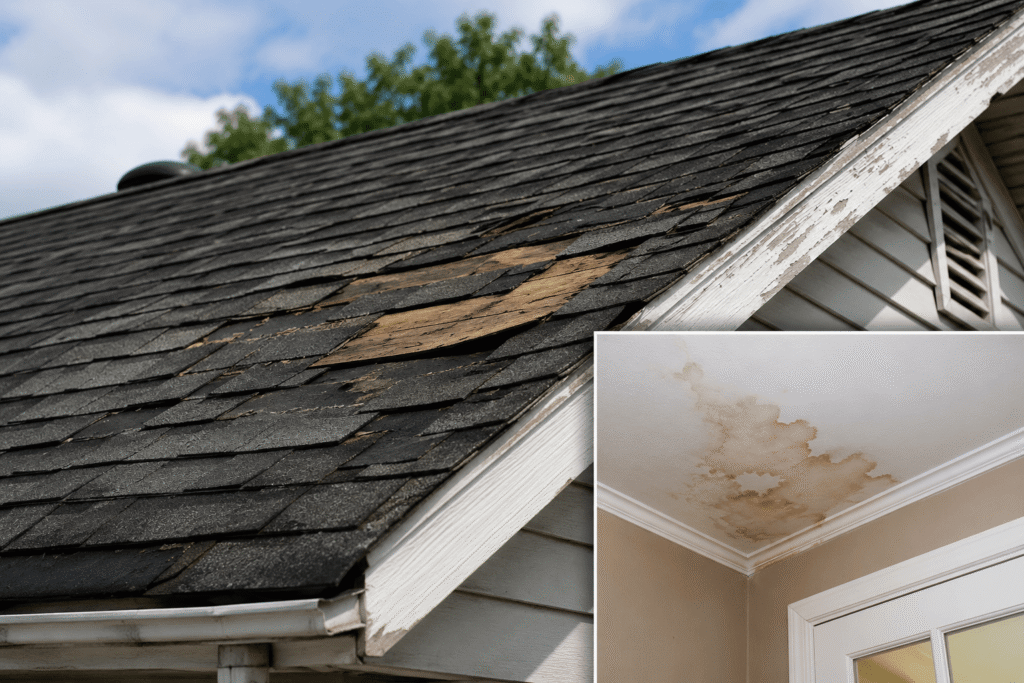
Missing or Damaged Shingles
Shingles protect the roof from water intrusion. Missing, curled, cracked, or broken shingles may expose underlying materials to moisture and weather damage.
Water Stains on Ceilings
Brown stains on ceilings or walls often indicate a roof leak. Even small stains should be investigated because hidden moisture can spread quickly.
Sagging Roof Areas
A sagging roof may indicate structural concerns, moisture damage, or weakened decking. This issue should be inspected immediately.
Excessive Granule Loss
If you notice large amounts of granules in gutters or downspouts, your shingles may be approaching the end of their service life.
Mold and Moss Growth
Moss, algae, and mold can trap moisture on the roof surface and contribute to long-term deterioration.
Rising Energy Bills
Unexpected increases in heating or cooling costs may indicate roofing ventilation problems or insulation issues that can often be identified during a roof maintenance inspection.
Roofing Inspection Checklist
A roofing inspection checklist helps ensure every part of the roof is evaluated properly. Professional inspectors follow a systematic process to identify damage, maintenance concerns, and areas that may require repairs.
A typical roofing inspection checklist includes:
Roof Surface Condition
The roof surface is checked for missing shingles, cracked shingles, curling edges, blistering, granule loss, and other signs of wear. These issues can reduce the roof’s ability to protect against water intrusion.
Flashing Inspection
Flashing is installed around chimneys, skylights, vents, and roof transitions. Damaged or loose flashing is one of the most common causes of roof leaks and should be inspected regularly.
Gutters and Drainage Systems
Gutters and downspouts play an important role in directing water away from the property. Inspectors check for clogs, leaks, improper drainage, and signs of water overflow that could damage the roof or foundation.
Roof Penetrations
Areas where pipes, vents, and mechanical equipment pass through the roof are carefully inspected. These locations are often vulnerable to moisture intrusion if seals begin to deteriorate.
Attic Inspection
A residential roof inspection often includes the attic because many roofing problems become visible from inside the structure before they appear on the roof surface. Inspectors look for moisture stains, mold growth, poor ventilation, and damaged insulation.
Structural Components
The roof deck, framing, and support systems are evaluated for sagging, moisture damage, and structural deterioration that could affect the roof’s stability.
Chimney and Masonry Elements
For homes with chimneys, inspectors examine masonry surfaces, chimney flashing, mortar joints, and surrounding roofing materials for signs of damage.
What Professionals Look For During a Roof Inspection
A professional roof inspection goes beyond a simple visual review. Experienced roofing contractors look for hidden issues that could eventually lead to leaks, structural damage, or premature roof replacement.
Signs of Water Intrusion
Moisture damage is one of the most common roofing problems. Inspectors look for water stains, damp insulation, mold growth, and areas where water may be entering the building.
Storm Damage
Strong winds, hail, falling branches, and severe weather can damage roofing materials. A roof damage inspection helps identify storm-related issues that may qualify for insurance claims or immediate repairs.
Aging Roofing Materials
All roofing materials have a lifespan. Inspectors evaluate whether shingles, flashing, sealants, and roofing components are approaching the end of their service life.
Ventilation Problems
Poor attic ventilation can trap heat and moisture, causing roofing materials to deteriorate faster. Proper airflow helps extend roof life and improve energy efficiency.
Drainage Issues
Standing water and poor drainage can increase the risk of leaks and structural damage, especially on low-slope and flat roofing systems.
Safety Risks
Loose roofing materials, damaged flashing, and deteriorated structural components may create safety concerns that require immediate attention.
A professional roof inspection provides homeowners with a detailed understanding of their roof’s condition and helps prioritize repairs before problems become more expensive.
Roof Inspection Cost in New York
One of the most common questions homeowners ask is, “How much does a roof inspection cost?” The answer depends on several factors, including the size of the property, roof complexity, accessibility, and the type of inspection required.
In New York, roof inspection costs can vary based on whether the inspection is part of routine maintenance, a real estate transaction, insurance documentation, or a roof damage inspection after a storm.
Average Roof Inspection Cost
| Inspection Type | Average Cost |
|---|---|
| Basic Visual Inspection | $150 – $300 |
| Professional Roof Inspection | $300 – $600 |
| Roof Certification Inspection | $250 – $700 |
| Drone Roof Inspection | $200 – $500 |
| Comprehensive Inspection Report | $400 – $800+ |
Factors That Affect Roof Inspection Cost
Several factors can influence the final cost of a roof inspection:
- Roof size and complexity
- Roof pitch and accessibility
- Type of roofing material
- Age of the roof
- Extent of visible damage
- Need for detailed reports or certifications
A larger roof with multiple slopes, chimneys, skylights, and penetrations typically requires more time to inspect than a standard residential roof.
Is a Roof Inspection Worth the Cost?
For most homeowners, a roof inspection is a small investment compared to the cost of major roof repairs or replacement. Identifying a damaged flashing section or missing shingles early can help prevent thousands of dollars in future repairs.
Regular inspections also help property owners plan maintenance budgets and extend the lifespan of their roofing systems.
DIY vs Professional Roof Inspection
Many homeowners wonder whether they can inspect their own roof or if they should hire a professional. While basic visual checks can be helpful, they often do not reveal hidden roofing problems.
DIY Roof Inspection
A DIY inspection typically involves observing the roof from the ground and checking for obvious warning signs.
Pros
- No inspection fee
- Can identify visible damage
- Useful after storms
Cons
- Limited visibility
- Safety risks
- Hidden damage often missed
- No professional documentation
Homeowners may notice missing shingles or clogged gutters, but underlying moisture issues and flashing failures often go undetected.
Professional Roof Inspection
A professional roof inspection provides a more detailed assessment of the entire roofing system.
Pros
- Comprehensive evaluation
- Identifies hidden issues
- Improves maintenance planning
- Supports insurance claims
- Provides detailed recommendations
Cons
- Inspection cost
- Requires scheduling
When to Call a Professional ?
You should schedule professional roof inspection services if:
- Your roof is over 10 years old
- You recently experienced severe weather
- You notice water stains inside the home
- You are buying or selling property
- You suspect roof damage
- You have not had an inspection in several years
Professional inspections provide peace of mind and help ensure that small problems do not become major roofing emergencies.
Roof Maintenance Tips After an Inspection
A roof inspection is only the first step in protecting your roofing system. Once the inspection is complete, regular maintenance can help prevent future damage and extend the life of the roof.
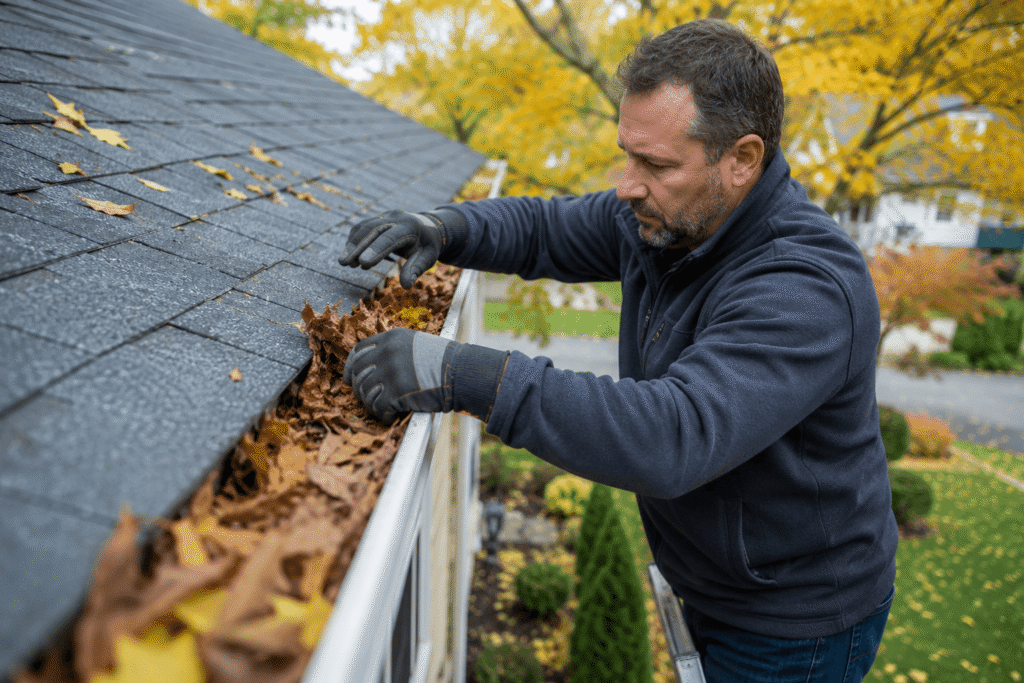
Keep Gutters Clean
Clogged gutters can cause water to back up onto the roof and increase the risk of leaks. Leaves, debris, and dirt should be removed regularly, especially during the fall season.
Trim Overhanging Tree Branches
Branches hanging over the roof can scrape shingles, drop debris, and cause damage during storms. Trimming nearby trees helps reduce the risk of impact damage.
Replace Damaged Shingles Promptly
Even a few damaged shingles can allow moisture to enter the roofing system. Small repairs completed early can prevent larger and more expensive issues later.
Check Flashing and Sealants
Flashing around chimneys, skylights, and vents should be inspected regularly. Cracked or deteriorated sealants can create openings for water intrusion.
Monitor Attic Ventilation
Proper ventilation helps control moisture and temperature levels inside the attic. Poor airflow can shorten roof lifespan and increase energy costs.
Schedule Seasonal Inspections
Many roofing professionals recommend inspections in the spring and fall. These inspections help identify damage caused by winter weather or summer storms.
Address Minor Problems Early
Small leaks, loose flashing, and missing shingles rarely improve on their own. Prompt repairs often cost less and help prevent structural damage.
How Often Should You Schedule a Roof Inspection?
The frequency of a roof inspection depends on the age of the roof, weather exposure, and overall condition of the roofing system.
Newer Roofs
Roofs less than 10 years old should generally be inspected every one to two years. Regular inspections help confirm that the roof continues to perform as expected.
Older Roofs
Roofs over 10 years old often require more frequent monitoring. Annual inspections can help identify age-related wear before major repairs become necessary.
After Severe Weather
A roof damage inspection is recommended after:
- Heavy storms
- High winds
- Hail events
- Snow accumulation
- Fallen tree branches
Weather-related damage is not always visible from the ground.
Before Buying or Selling a Property
A professional roof inspection can provide valuable information during real estate transactions. It helps buyers understand the condition of the roof and may prevent unexpected repair costs after closing.
Before Major Roofing Projects
If you are considering repairs, upgrades, or a roof replacement, an inspection provides a clear understanding of the roof’s current condition and helps determine the best course of action.
For most New York homeowners, scheduling a roof inspection at least once per year is one of the most effective ways to protect the property and avoid costly roofing emergencies.
FAQ’s
1. How Much Does a Roof Inspection Cost?
The cost of a roof inspection depends on the roof size, accessibility, and the type of inspection required. Basic inspections are generally less expensive than detailed inspections that include reports, certifications, or drone technology. Regular inspections can help identify small issues early and potentially reduce future repair costs.
2. What Is Included in a Professional Roof Inspection?
A professional roof inspection typically includes an evaluation of shingles, flashing, gutters, drainage systems, roof penetrations, attic ventilation, and structural components. The goal is to identify existing damage, maintenance concerns, and areas that may require repairs or monitoring.
3. How Often Should a Roof Be Inspected?
Most roofing professionals recommend scheduling a roof inspection at least once per year. Additional inspections may be needed after severe storms, heavy snowfall, strong winds, or other weather events that could damage the roof.
4. Can a Roof Inspection Detect Leaks?
Yes. A professional roof inspection can identify many common causes of leaks, including damaged shingles, deteriorated flashing, clogged drainage systems, and moisture intrusion. Early detection can help prevent more extensive water damage.
5. Is a Roof Inspection Necessary Before Buying a Home?
A residential roof inspection is highly recommended before purchasing a property. It helps buyers understand the condition of the roof, identify potential repair needs, and avoid unexpected expenses after the purchase.
conclusion :
New York weather can place significant stress on roofs throughout the year, making routine inspections even more important for homeowners and property managers. Whether you are dealing with storm damage, aging materials, or simply want peace of mind, a professional inspection can provide valuable insight into the condition of your roof.
If you’re looking for reliable roof inspection services in New York City, the experienced team at SK Group NYC Corp is here to help. We provide thorough roof evaluations, honest recommendations, and dependable roofing solutions designed to keep your property protected year-round.
Need a Professional Roof Inspection?
Contact SK Group NYC Corp today to schedule your inspection and receive a free estimate for your roofing project.