A damaged roof can quickly turn a normal weather event into an expensive property problem. Heavy rain, strong winds, snow, ice, and temperature changes can weaken roofing systems over time, leading to leaks, structural damage, and costly repairs. For homeowners and property owners in New York, where buildings face seasonal storms, winter conditions, and moisture-related challenges, choosing the right roofing system is essential.
Weatherproof Roofing is designed to provide long-term protection against changing weather conditions by combining durable materials, proper installation techniques, and protective roofing components. Unlike basic roofing systems that only cover a building, a weather-resistant roofing system is built to handle water exposure, wind pressure, UV damage, and temperature fluctuations.
This guide explains how weatherproof roofing works, the best materials available, cost factors, installation steps, maintenance requirements, and how to choose the right roofing solution for your property.
What Is Weatherproof Roofing?
Weatherproof roofing is a roofing system designed to protect buildings from multiple environmental conditions, including rain, wind, snow, heat, and storms. It focuses on creating a complete protective barrier that reduces the risk of leaks, material deterioration, and structural damage.
A reliable weatherproof roofing system includes several important components:
- Durable roofing materials
- Waterproof underlayment
- Proper flashing installation
- Effective drainage systems
- Quality insulation and ventilation
- Professional installation methods
Many homeowners confuse waterproof roofing systems with weatherproof roofing. While waterproofing mainly focuses on preventing water penetration, weatherproof roofing provides broader protection against different weather challenges.
For example, a roof may prevent rain leaks but still fail during strong winds or extreme heat if the materials and installation quality are poor. A complete weather-resistant roofing approach considers all environmental factors that affect roof durability.
Why Weatherproof Roofing Matters for Homeowners
Your roof protects every part of your property. When roofing materials fail, the damage can extend beyond the roof itself and affect walls, insulation, electrical systems, and interior spaces.
Protection Against Heavy Rain and Water Damage
Rain is one of the most common causes of roofing problems. Small cracks, damaged shingles, and weak flashing points can allow moisture to enter your property.
Weatherproof roofing improves leak prevention through stronger materials, better sealing techniques, and proper water drainage systems. This helps reduce the risk of:
- Roof leaks
- Mold growth
- Interior water damage
- Structural deterioration
Stronger Protection Against Wind and Storms
New York properties often experience heavy storms, strong winds, and seasonal weather changes. Weak roofing materials can become damaged when exposed to high wind pressure.
Storm-resistant roofing systems are designed with stronger materials and installation methods that improve resistance against:
- Wind uplift
- Falling debris
- Heavy rainfall
- Severe weather events
Better Energy Efficiency
A properly designed roofing system can improve indoor comfort by controlling heat transfer. Quality insulation, ventilation, and reflective roofing materials help reduce temperature fluctuations.
This can support:
- Lower heating and cooling demand
- Improved indoor comfort
- Better overall building efficiency
Long-Term Property Protection
A durable roof protects your investment by reducing unexpected repairs and extending the life of your property.
For homeowners, a strong roofing system can also improve property value because roof condition is an important factor for future buyers.
NYC Weather Challenges That Roofing Systems Must Handle
Roofing systems in New York face unique challenges throughout the year. A suitable roofing solution must be prepared for changing conditions rather than only one type of weather.
Important factors include:
Heavy Rainfall and Moisture
Frequent rain can expose weak areas in roofing systems. Poor drainage and damaged materials may lead to water accumulation and leaks.
Winter Snow and Freeze-Thaw Cycles
During winter, snow accumulation and repeated freezing and melting can put stress on roofing materials. Small cracks can expand over time and create larger problems.
Strong Winds and Storm Conditions
High winds can loosen roofing materials and damage exposed areas. Proper fastening and quality installation are essential for long-term performance.
Heat and UV Exposure
Summer heat and sunlight can gradually weaken some roofing materials. UV-resistant products help improve roof durability and reduce premature aging.
Key Features of a Weatherproof Roofing System
A high-performance roof depends on several elements working together.
Water Resistance
Quality roofing materials, underlayment, and flashing help prevent moisture from entering the structure. Proper installation around chimneys, vents, and roof edges is especially important because these areas are more vulnerable.
Wind Resistance
Wind-resistant roofing depends on:
- Strong materials
- Proper fastening
- Correct installation techniques
- Quality workmanship
Even premium roofing materials can fail when installation is poor.
UV and Heat Protection
Constant sunlight exposure can cause cracking, fading, and material breakdown. Weather-resistant roofing materials with UV protection provide better long-term performance.
Proper Ventilation and Insulation
A balanced roofing system requires proper airflow and insulation. Poor ventilation can trap moisture and heat, reducing roof lifespan.
Best Weatherproof Roofing Materials
Different roofing materials provide different levels of durability, cost, and weather protection. The right choice depends on your building type, budget, climate exposure, and long-term goals.
| Material | Lifespan | Weather Resistance | Maintenance | Best For |
|---|---|---|---|---|
| Metal Roofing | 40–70+ years | Excellent | Low | Extreme weather protection |
| Asphalt Shingles | 15–30 years | Good | Medium | Affordable residential roofing |
| Slate Roofing | 75+ years | Excellent | Low | Premium properties |
| Clay/Concrete Tiles | 50+ years | Excellent | Low | Heat and weather resistance |
| Synthetic Roofing | 30–50 years | Very Good | Low | Modern roofing solutions |
Metal Roofing
Metal roofing is one of the strongest options for properties requiring excellent durability and wind resistance.
Benefits include:
- Long lifespan
- Strong storm protection
- Fire resistance
- Low maintenance needs
It is commonly used for both residential and commercial roofing systems because of its durability.
Asphalt Shingles
Asphalt shingles are popular because they provide reliable protection at a more affordable cost.
Advantages include:
- Budget-friendly installation
- Multiple design options
- Easy repair and replacement
- Good weather performance
High-quality architectural shingles often provide better durability than basic options.
Slate Roofing
Slate is a premium material known for exceptional lifespan and natural durability.
Benefits include:
- Very long service life
- Excellent weather resistance
- Attractive appearance
- Minimal maintenance requirements
The main disadvantage is the higher installation cost.
Clay and Concrete Tiles
Tile roofing performs well in areas exposed to heat and changing temperatures.
Benefits include:
- Strong durability
- Heat resistance
- Long lifespan
- Attractive design options
However, these materials are heavier and require proper structural support.
Synthetic Roofing Materials
Synthetic roofing provides a modern alternative by combining durability with lighter construction.
Benefits include:
- Good weather resistance
- Flexible designs
- Lower maintenance
- Improved installation options
Benefits of Weatherproof Roofing
Choosing a durable roofing system provides several long-term advantages.
- Lower Repair Expenses: Strong materials and professional installation reduce the likelihood of frequent repairs caused by leaks, storms, and weather damage.
- Better Storm Protection: A weather-resistant roof provides stronger protection against rain, wind, snow, and temperature changes.
- Increased Property Value: A reliable roof improves buyer confidence and can increase the overall value of your property.
Longer Roof Lifespan
With proper maintenance, high-quality roofing materials can provide decades of protection.
Weatherproof Roofing vs Traditional Roofing
| Factor | Weatherproof Roofing | Traditional Roofing |
|---|---|---|
| Weather Protection | Designed for multiple conditions | Basic protection |
| Durability | Higher resistance | Depends on material quality |
| Maintenance | Usually lower | May require more repairs |
| Lifespan | Generally longer | Varies |
| Long-Term Value | Better protection investment | Lower initial cost |
For properties exposed to harsh weather, investing in stronger roofing materials often provides better long-term value.
How Much Does Weatherproof Roofing Cost?
The cost of weatherproof roofing depends on several project-specific factors. There is no single price because every property has different requirements.
Major cost factors include:
- Roof size and design
- Material selection
- Labor requirements
- Roof accessibility
- Existing damage
- Structural repairs
- Removal of old roofing materials
- Local building requirements
Premium materials may have higher upfront costs but can provide better durability and fewer repairs over time.
A professional roof inspection is the best way to understand the actual condition of your roof and determine the most suitable solution.
Weatherproof Roofing Installation Process
A professional installation usually includes:
1. Roof Inspection
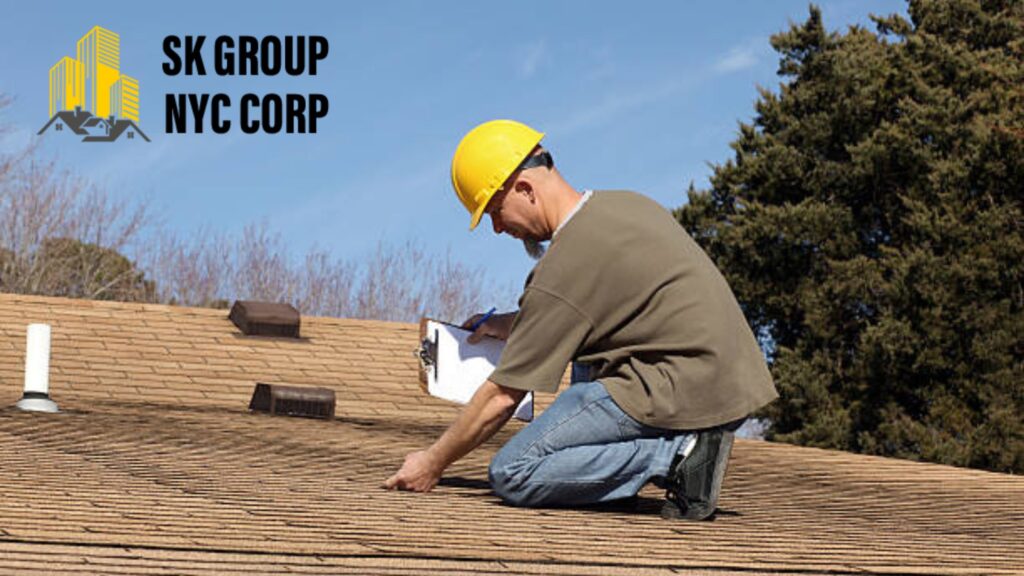
The contractor evaluates existing damage, material condition, drainage, and structural requirements.
2. Material Selection
The roofing material is selected based on weather exposure, budget, building type, and durability needs.
3. Roof Preparation
Old materials may be removed, damaged areas repaired, and the surface prepared.
4. Installing Protective Layers
Underlayment, flashing, and moisture barriers are installed to improve protection.
5. Installing Roofing Materials
The roofing system is installed according to manufacturer requirements and industry standards.
6. Final Inspection
The completed roof is checked for proper installation, sealing, and performance.
Common Weatherproof Roofing Mistakes Homeowners Make
Avoid these mistakes when planning a roofing project:
- Choosing the cheapest material only: Lower upfront cost may lead to higher repair expenses later.
- Ignoring professional inspections: Small roofing problems can become major structural issues if overlooked.
- Hiring without checking credentials: Always verify experience, insurance, reviews, and workmanship quality.
- Ignoring ventilation and drainage: Poor airflow and water management can reduce roof lifespan.
- Delaying minor repairs: Small leaks often become expensive damage over time.
How to Choose the Right Weatherproof Roofing Contractor
Choosing the right roofing contractor is just as important as selecting the right material.
Look for:
- Proven roofing experience
- Proper licensing and insurance
- Strong customer reviews
- Clear written estimates
- Material expertise
- Warranty options
- Professional communication
SK Group NYC Corp helps property owners make informed roofing decisions by focusing on durability, weather conditions, and long-term protection.
How to Maintain a Weatherproof Roof
Regular maintenance helps maximize roof performance.
Recommended practices include:
- Schedule professional inspections
- Clean gutters regularly
- Check roof surfaces after storms
- Repair damaged materials quickly
- Monitor signs of leaks or moisture
Preventive maintenance is usually less expensive than major roof replacement.
Final Thoughts
Weatherproof roofing is a long-term investment that protects your property from changing weather conditions while improving durability and reducing repair risks.
For New York homeowners and property managers, choosing the right combination of materials, installation quality, and maintenance practices can help protect buildings from heavy rain, snow, wind, and extreme temperatures.
A professional roofing evaluation can help determine the best solution based on your property’s needs, weather exposure, and long-term goals.
Frequently Asked Questions About Weatherproof Roofing
What Is Weatherproof Roofing?
Weatherproof roofing is a roofing system designed to protect properties from rain, wind, snow, heat, and other environmental conditions. It combines durable materials, protective layers, and proper installation methods to improve roof performance and prevent weather-related damage.
What Roofing Material Is Best for Extreme Weather?
Metal roofing, slate, and high-quality tile roofing are among the best options for extreme weather because they provide strong durability and resistance against wind, moisture, and temperature changes. The best choice depends on your property’s structure and budget.
How Long Does Weatherproof Roofing Last?
The lifespan depends on the material selected. Metal roofing can last several decades, while slate and tile systems may last much longer with proper maintenance and inspections.
Is Weatherproof Roofing Worth the Investment?
Yes. Weatherproof roofing can reduce repair costs, improve storm protection, and increase property durability. Although some materials require higher initial investment, their long-term performance can provide better value.
How Much Does Weatherproof Roofing Cost?
Weatherproof roofing costs vary based on material choice, roof size, labor, location, and existing roof condition. A professional inspection provides the most accurate estimate for your specific project.
Can Weatherproof Roofing Prevent Storm Damage?
Weatherproof roofing can significantly reduce storm-related damage by improving resistance against rain, wind, and moisture. However, regular inspections and maintenance are still necessary to keep the roof performing effectively.
Have Questions? Call Us Now!
+1 (718) 507-7000
We’re here to help quick answers, friendly service, anytime you need!
Contact SK Group NYC
🌐 Website: www.skgroupnyccorp.com
📍 Serving: Manhattan, Brooklyn, Queens, The Bronx, and Staten Island
📍 Address: 87-88 172nd St, Jamaica, New York, NY, United States, New York