Most homeowners don’t realize their house is experiencing gradual envelope deterioration until a minor fix turns into a costly structural repair. Your home takes a heavy seasonal beating. From heavy regional downpours and freeze-thaw cycles to intense summer heat, the outer shell of your property wears down over time.
Knowing when to plan an exterior home renovation is the difference between spending a reasonable amount on targeted fixes and dealing with severe structural decay. Catching warning signs early allows you to protect your framing, manage moisture intrusion safely, and maintain your property value.
What Is a Building Envelope (And Why Does It Fail)?
Think of your house like a person wearing a heavy winter coat in a storm. That coat is your building envelope comprising your roof, siding, windows, doors, and foundation.
When your building envelope ages or experiences weather-related wear, it stops blocking out water, wind, and thermal transfer effectively. According to home inspection guidelines from groups like the International Association of Certified Home Inspectors (InterNACHI), minor cracks or failing seals let moisture sneak into wall spaces. Once water gets trapped, the U.S. Environmental Protection Agency (EPA) notes that unaddressed moisture can promote mold growth within 24 to 48 hours, rotting wooden studs and damaging structural supports. Effective home exterior preservation stops these vulnerabilities early.
The 7 Critical Warning Signs
1. Leaking Roofs, Missing Shingles, or Granule Loss
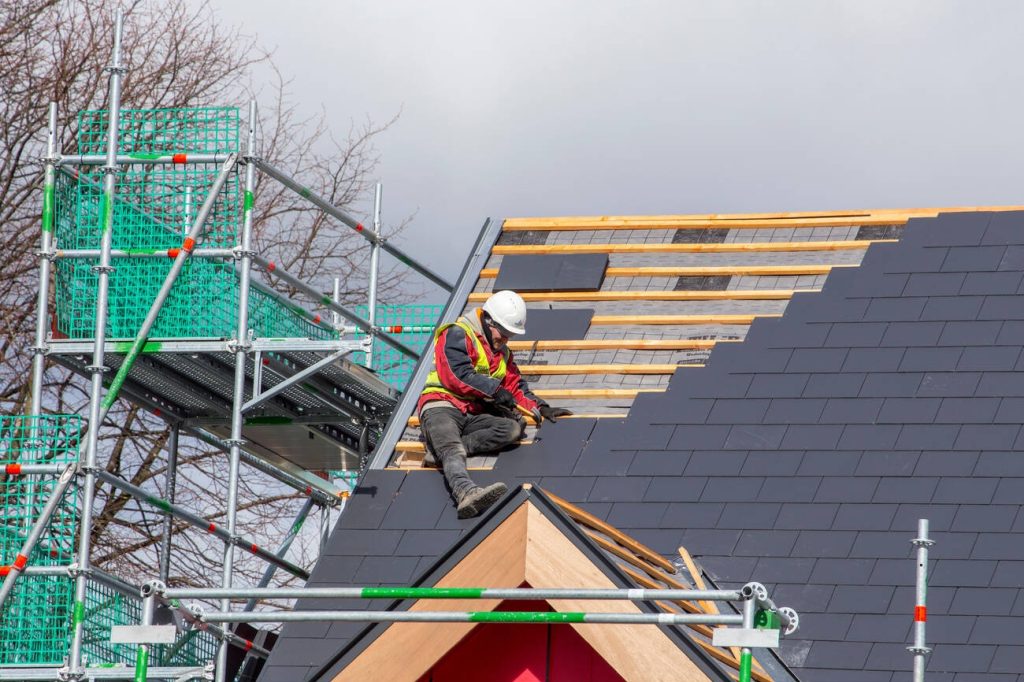
Your roof takes the heaviest toll from seasonal storms. If you notice interior ceiling water stains, missing shingles, or curling edges, your roofing system is compromised. Check your gutters for heavy deposits of dark, sandy grit; that is the protective mineral coating washing off asphalt shingles. Once that layer degrades, your roof is prone to flashing failure and interior leaks.
2. Warped, Faded, or Cracking Siding
Siding acts as your home’s first defense against wind-driven rain. If your vinyl, wood, or fiber cement siding panels warp, crack, or fade deeply, they are no longer sealing out moisture properly. Once gaps open up, water slips straight behind the panels, threatening the stability of your wooden wall studs.
3. Foundation Cracks and Crumbling Masonry
Your foundation bears the load of your entire home. Hairline settling cracks can happen, but wide structural fissures, loose mortar, or a white, powdery crust (efflorescence) signal active water movement through your masonry. Addressing masonry decay early keeps your load-bearing walls secure and prevents uneven structural settling.
4. Drafty, Foggy, or Broken Windows and Doors
If you feel drafts around locked windows or see foggy condensation trapped between double-pane glass, the thermal seals have failed. Rotted wood around window frames is another clear red flag. Compromised windows not only reduce energy efficiency but also allow rainwater to leak directly into rough wall openings.
5. Overflowing Gutters and Rusted Flashing
Your gutters are designed to move water safely away from your base plates. If your gutters sag, pull away from the fascia boards, or spill water right against your foundation during rainstorms, you are facing a serious drainage issue. Combined with rusted flashing, poor drainage funnels moisture straight into your home’s structural seams.
6. Peeling Paint or Blistering Finishes
Exterior paint is more than decorative—it serves as a liquid moisture barrier. When paint begins to bubble, flake, or peel in large sheets, it often indicates that moisture is trapped behind the substrate. Catching this early prevents deep decay of the underlying wood.
7. Sagging Porches, Damaged Decks, or Rot
Decks and porches face year-round exposure. Check your wooden posts, floorboards, and ledger connections for soft spots, spongy wood, or noticeable sagging. Inspecting these outdoor areas regularly prevents safety hazards and costly structural collapses.
Diagnostic Reference Table
| Warning Sign | What It Looks Like | The Hidden Danger | Urgency Level |
| Roof Damage | Missing shingles, dark grit in gutters, ceiling stains | Ceiling leaks, interior water damage | Critical |
| Siding Deterioration | Warped panels, deep cracks, gaps | Hidden wall rot, mold risks | High |
| Masonry Decay | Wide cracks, crumbly mortar, white powder | Foundation shifts, unstable walls | Critical |
| Window Failures | Drafty glass, foggy panes, rotten frames | Higher energy costs, frame rot | Moderate |
| Poor Drainage | Sagging gutters, overflowing rainwater | Foundation erosion, basement leaks | High |
| Peeling Paint | Blistering, bubbling, flaking paint | Trapped moisture, wood decay | Moderate |
| Porch & Deck Rot | Spongy wood, sagging beams | Collapse risk, safety hazards | Critical |
Why Timely Action Matters
Postponing an exterior home renovation often leads to more extensive expenditures down the line. When a slipped shingle or a cracked siding panel is ignored, moisture travels behind the walls, feeding mold and rotting structural framing out of sight.
Tackling problems early protects your property equity and keeps your home energy-efficient. Investing in proactive upkeep is significantly more manageable than handling extensive structural remediation. If you are also weighing whether to pair these exterior updates with interior modifications, reviewing comprehensive house renovation ideas can help you map out a cohesive timeline for your property.
How to Choose a Qualified Contractor
When you are ready to move forward with an exterior home renovation, finding the right professional team ensures long-lasting results. Use this simple vetting framework:
- Verify Licensing and Insurance: Ensure the contractor holds current state or local licensing and carries general liability and workers’ compensation insurance.
- Review Portfolios: Look for a proven track record handling exterior upgrades, masonry restoration, and weatherproofing projects similar to yours.
- Get Everything in Writing: A dependable contractor provides clear, written warranties covering both craftsmanship and materials.
- Demand an On-Site Inspection: Avoid estimates given strictly over the phone without a physical walkthrough of the property.
Conclusion & Next Steps
Your home works hard to protect you through every season. Keeping up with an exterior home renovation ensures your property stays sound, safe, and efficient for years to come. By keeping a sharp eye on your roof, siding, foundation, and drainage systems, you can catch minor issues before they compound.
If you spotted any of these 7 warning signs around your house, don’t wait for minor damage to turn into a major headache. You can contact our team directly to schedule a professional assessment and safeguard your investment today.
Frequently Asked Questions
How often should a home’s exterior be inspected?
It is best to perform a visual walk-around inspection of your exterior twice a year (typically in spring and fall) and after any major severe weather event. Professional inspections are recommended every few years, or immediately if you notice water stains or material wear.
What is included in an exterior home renovation?
An exterior home renovation typically encompasses upgrades or replacements of major building envelope components, including roofing, siding, windows, exterior doors, masonry repair, gutter systems, and structural porches or decks.
Can damaged siding cause mold inside the house?
Yes. When siding cracks or warps, wind-driven rain can penetrate the underlying house wrap and wall sheathing. If moisture stays trapped within the wall cavity for more than 24 to 48 hours, it creates an ideal environment for mold growth.
How do I know if my foundation crack is serious?
Hairline vertical cracks caused by normal concrete curing are usually minor. However, wide horizontal cracks, stair-step cracks in brick mortar, or cracks accompanied by uneven door frames indicate active shifting or structural pressure that requires professional engineering review.
How much does exterior home renovation cost?
Costs vary significantly depending on the scope of work, materials chosen (such as fiber cement siding versus vinyl), and the size of your property. For a detailed breakdown of current pricing factors and budgeting considerations, you can review our 2026 home renovation cost guide.
Have Questions? Call Us Now!
+1 (718) 507-7000
We’re here to help quick answers, friendly service, anytime you need!
Contact SK Group NYC
🌐 Website: www.skgroupnyccorp.com
📍 Serving: Manhattan, Brooklyn, Queens, The Bronx, and Staten Island
📍 Address: 87-88 172nd St, Jamaica, New York, NY, United States, New York