

Stucco cracks are a common issue for many homeowners, but they don’t always signal serious structural problems. With the right approach, you can handle the repairs yourself and save money. In this complete guide on how to repair stucco, you’ll learn easy, step-by-step methods to fix cracks, restore your wall’s appearance, and protect your home from future damage.
Table of Contents
This step-by-step guide will walk you through how to repair stucco cracks so your home looks great and stays protected. Whether you’re in NYC or anywhere else, these methods from SK Group NYC Corp will help you tackle stucco problems the right way, saving you both time and money.
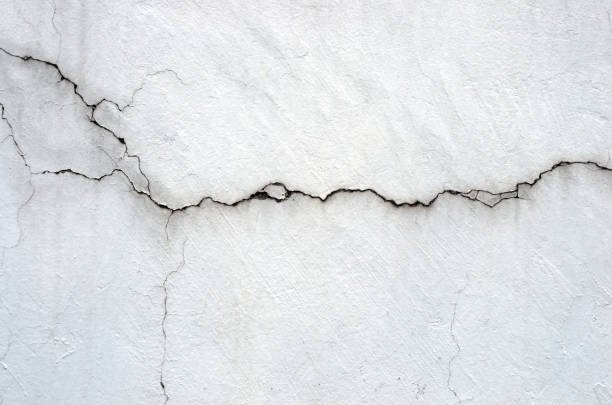
Why Stucco Cracks in the First Place
Stucco is known for being durable, weather-resistant, and attractive. But it’s not invincible. Cracks form when the material is stressed, either by natural wear or external forces.
Common causes of stucco cracks:
- Foundation settlement – Houses naturally settle over time, which can cause stress on rigid stucco.
- Temperature fluctuations – Heat and cold cause expansion and contraction, leading to surface cracks.
- Moisture intrusion – Water getting behind stucco weakens its bond and causes damage.
- Poor installation – Incorrect mixing or application can make stucco more prone to cracking.
Pro Tip:
Understanding the cause of the crack helps you fix it properly and prevent it from coming back.
Why You Shouldn’t Ignore Stucco Cracks
Even a tiny crack can be a big problem if left untreated.
- Moisture Damage: Water can enter and cause rot or mold.
- Freeze-Thaw Damage: In cold climates, trapped water expands when frozen, widening cracks.
- Structural Weakening: Over time, cracks can affect wall stability.
- Curb Appeal Loss: Cracks make your home look poorly maintained.
Identifying the Type of Stucco Crack
Not all cracks are created equal. The repair approach depends on what you’re dealing with.
| Crack Type | Description | Difficulty Level |
|---|---|---|
| Hairline | Less than 1/16″ wide | Easy – often cosmetic |
| Structural | Wide, often diagonal or around openings | Hard – may require a pro |
| Spiderweb | Fine branching cracks | Moderate |
| Corner | Along edges or wall joins | Moderate |
If your crack is wider than 1/4″ or keeps returning after repairs, it’s a sign of deeper issues.
Tools & Materials You’ll Need
Before you start, gather everything you’ll need:
- Stucco patch or pre-mixed repair compound
- Putty knife or trowel
- Wire brush
- Utility knife or small chisel
- Bonding agent (if required)
- Caulk or sealant for joints
- Sandpaper or sanding block
- Sponge and water bucket
- Primer
- Exterior stucco paint for blending
Preparing the Surface
Surface prep is 70% of the job. Without it, your repair will fail.
1. Clean the Area
Scrub away dirt, debris, and loose stucco with a wire brush. Rinse lightly and allow to dry.
2. Widen the Crack
Use a utility knife or chisel to slightly widen and undercut the crack so the patch material locks in.
3. Apply Bonding Agent
If your patch product recommends it, apply a bonding agent to improve adhesion.
Step-by-Step: How to Repair Stucco Cracks
1: Open the Crack
- Widen to about 1/4 inch.
- Create a slight inward angle for better bonding.
2: Fill with Stucco Patch
- Press patch material firmly into the crack using a trowel.
- For deep cracks, work in layers.3: Match the Texture
- While still wet, use a sponge, brush, or specialty tool to mimic the existing wall texture.
4: Let It Cure
- Follow product instructions usually 24-72 hours.
- Mist lightly if required to prevent premature drying.
5: Prime & Paint
- Apply primer to blend color.
- Finish with exterior-grade paint for a seamless look.
Tips for a Professional-Looking Finish
- Work in small sections so the patch doesn’t dry before texturing.
- Feather edges to avoid visible lines.
- Match paint carefully sunlight can make colors look different.
Preventing Future Stucco Cracks
Prevention is better than repair. Here’s how to keep cracks from coming back:
- Maintain proper drainage water should flow away from walls.
- Inspect sealants around windows and doors regularly.
- Avoid planting large trees too close to your home to prevent root-related foundation movement.
- Respect control joints in stucco to allow for movement.
Common Mistakes to Avoid
- Skipping prep work: Dirt and debris prevent adhesion.
- Overfilling cracks: Can cause bulging and peeling.
- Using the wrong product: Not all stucco mixes work on every surface.
How Much Time & Money Will It Take?
- Small repairs: 1-2 hours of work + curing time.
- Cost: $10–$40 for DIY materials.
- Larger repairs: May require a weekend and professional help.
When to Call a Professional
DIY is great for small cosmetic cracks, but call a pro if:
- Cracks are over 1/4 inch wide.
- They reappear after previous repairs.
- The wall feels soft or bulging.
- Cracks run across multiple walls or corners.
SK Group NYC Corp specializes in stucco inspection, repair, and restoration in NYC. Our team can match your stucco’s texture and color perfectly and provide lasting solutions with warranties.
FAQs About Stucco Crack Repair
1. How long does stucco crack repair take to cure?
Stucco repairs usually take 24–72 hours to fully dry. The time depends on the weather. Some products need light misting on the first day so the stucco doesn’t dry too fast.
2. Can I repair stucco cracks in cold or rainy weather?
It’s better to repair stucco when the weather is warm and dry. Cold or rain can stop the stucco from sticking and drying properly. If you must repair it, cover the area with plastic and follow the product instructions.
3. What’s the difference between hairline and structural cracks?
Hairline cracks are very thin and mostly cosmetic.
Structural cracks are wider and may show movement in the wall or foundation. These cracks often need a professional to check them.
4. Do I need to repaint after repairing stucco cracks?
Yes. Painting helps the repair blend in and protects it from water. Use exterior stucco paint so the color matches better.
5. How can I prevent new stucco cracks?
Keep water away from walls, make sure drainage is good, don’t block expansion joints, and check your walls regularly. Fix small problems early so they don’t turn into bigger cracks.
Final Thoughts
Repairing stucco cracks is a manageable DIY project if you use the right tools, techniques, and products. With proper prep and careful finishing, you can restore your wall’s strength and beauty. For larger or recurring issues, trust the experts at SK Group NYC Corp to provide professional-grade repairs that last.
Have Questions? Call Us Now!
+1 (718) 507-7000
We’re here to help quick answers, friendly service, anytime you need!
Contact SK Group NYC
🌐 Website: www.skgroupnyccorp.com
📍 Serving: Manhattan, Brooklyn, Queens, The Bronx, and Staten Island
📍 Address: 87-88 172nd St, Jamaica, New York, NY, United States, New York