
Winter can be beautiful, but it can also be harsh on your home especially your roof. One of the most common cold-weather problems homeowners face is ice dams. If ignored, they can cause leaks, mold, insulation damage, and costly repairs. The good news? Getting rid of ice dams on roof surfaces is possible with the right approach and preventive steps.
In this guide, we’ll explain what causes an ice dam on a roof, how to eliminate ice dams on roof surfaces safely, and the best way to get rid of ice dams before they damage your home.
Table of Contents
What Are Ice Dams?
Ice dams are thick ridges of ice that form along the edges of your roof. They prevent melting snow from draining properly through gutters. When water backs up behind the ice, it can seep under shingles and leak into your home.
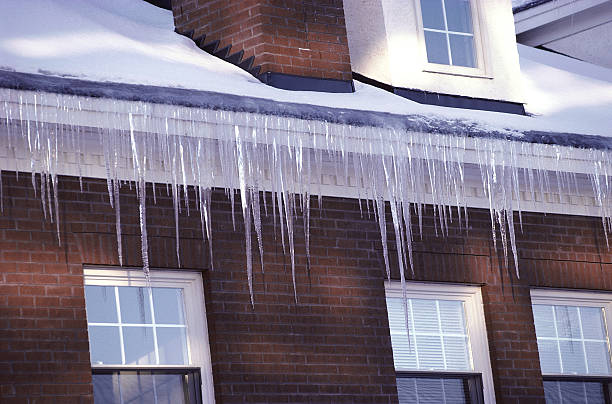
What Causes an Ice Dam on a Roof?
ce dams form when warm air from your attic melts snow on the roof. The melted water flows down and refreezes at colder roof edges, creating thick ice ridges that block drainage.
Formation Process:
- Warm air leaks into the attic.
- Snow melts on the warmer roof.
- Water flows downward.
- Water refreezes at cold eaves.
- Ice builds up and blocks gutters.
Tip: Understanding this cycle is the first step in preventing ice dams on your roof.
Why Getting Rid of Ice Dams on Roof Is Important
Ignoring ice dams can lead to serious problems. Even a small ice buildup can cause long-term structural damage.
Potential Damage Ice Dams Can Cause
- Roof leaks and water stains on ceilings
- Damaged shingles and roof decking
- Mold and mildew growth in attic spaces
- Wet insulation reducing energy efficiency
- Gutter damage and sagging
- Interior wall and paint damage
Addressing ice dams early protects your home and prevents expensive repairs.
Signs You Have Ice Dams
Many homeowners don’t notice ice dams until damage appears. Watch for these warning signs:
- Large icicles hanging from gutters
- Ice buildup along roof edges
- Water stains on ceilings or walls
- Peeling paint near rooflines
- Damp attic insulation
- Dripping water during freezing weather
If you see these signs, it’s time to act quickly.
Best Way to Get Rid of Ice Dams Safely
Removing ice dams improperly can damage shingles or cause injuries. Safety should always come first. The best way to get rid of ice dams is using methods that protect both you and your roof.
1. Roof Raking First Step in Ice Dam Prevention
A roof rake is a long-handled tool designed to pull snow off the roof while you remain on the ground.
Benefits:
- Prevents ice dams from forming
- Reduces roof load
- Safe and effective
Tip: Remove snow after every major snowfall to stop buildup.
2. Calcium Chloride A Trusted Ice Dam Cure
Using calcium chloride is one of the safest ways to melt ice dams.
How to Use:
- Fill a cloth sock or pantyhose with calcium chloride.
- Lay it perpendicular across the ice dam.
- It will melt a channel through the ice.
Avoid: Rock salt, which can damage shingles and metal components.
3. Warm Water Method (Emergency Only)
If water is actively leaking into your home:
- Pour warm water on the ice dam to create drainage paths.
- Use cautiously to avoid refreezing hazards.
This is a temporary fix, not a permanent solution.
4. Hire Professional Ice Dam Removal Services
If ice dams are large or dangerous, professionals use steam removal methods that are safe for roofing materials.
Benefits:
- Prevents shingle damage
- Reduces injury risk
- Thorough removal
If you’re unsure how to fix ice dams safely, hiring experts is the best option.
lce Dam Remedies for Emergency Situations
If water is leaking into your home, quick ice dam remedies can reduce damage.
Temporary Solutions
- Create drainage channels using calcium chloride
- Remove snow from roof edges
- Use fans in the attic to reduce heat
These solutions help stop ice dams on roof edges while you plan permanent fixes.
What NOT to Do When Removing Ice Dams
Many DIY methods cause more harm than good.
❌ Do not use axes, hammers, or sharp tools
❌ Do not use rock salt
❌ Do not climb onto an icy roof
❌ Do not use open flames or heat guns
These methods can damage roofing materials and create safety hazards.
How to Prevent Ice Dams and Icicles
Gutters play a major role in ice dam formation. Learning how to prevent ice dams in gutters protects your entire drainage system.
Preventing Ice Dams in Gutters:
- Clean gutters before winter.
- Remove debris that traps water.
- Ensure downspouts drain properly.
- Install gutter guards if needed.
Preventing Ice Dams in Gutters:
- Remove snow buildup safely using a roof rake.
- Seal attic air leaks to maintain consistent roof temperature.
- Improve attic insulation to prevent warm air from melting snow.
Tip: Preventing icicles is not just cosmetic they signal ice dam formation. Proper gutter care and roof maintenance protect your home and prevent costly winter damage.
Long-Term Solutions to Prevent Ice Dams
Prevention is the best strategy. Stopping ice dams before they form saves time, money, and stress.
Improve Attic Insulation
Proper insulation prevents heat from escaping into the attic and warming the roof.
Benefits:
- Maintains even roof temperature
- Reduces energy bills
- Prevents snow melt cycles
Recommended: R-38 to R-60 insulation for cold climates.
Ensure Proper Roof Ventilation
Ventilation keeps cold air circulating in the attic, maintaining consistent roof temperatures.
Key Components:
- Ridge vents
- Soffit vents
- Gable vents
Balanced airflow prevents warm spots that lead to melting snow.
Seal Air Leaks in the Attic
Warm air escaping through cracks contributes to ice dam formation.
Seal areas around:
- Light fixtures
- Chimneys
- Attic hatches
- Plumbing vents
Air sealing improves energy efficiency and reduces ice dams.
Install Heated Roof Cables
Heat cables help maintain drainage paths for melting snow.
Pros:
- Prevents water backup
- Easy to install
- Effective in problem areas
Cons:
- Uses electricity
- Needs proper placement
Clean Gutters Before Winter
Clogged gutters trap water, increasing ice dam risk.
Fall maintenance checklist:
- Remove leaves and debris
- Check downspouts
- Ensure proper drainage
Clear gutters help melted snow flow away from the roof.
Ice Dams vs. Normal Snow: Quick Comparison
| Feature | Ice Dams | Normal Snow |
|---|---|---|
| Location | Roof edges | Entire roof |
| Risk Level | High | Low |
| Causes leaks | Yes | No |
| Requires removal | Yes | Sometimes |
| Structural damage | Possible | Rare |
When to Call a Professional
You should contact a roofing professional if:
- Ice dams are thicker than 4–6 inches
- Water is leaking into your home
- Roof edges are inaccessible
- You have recurring ice dam problems
Professionals can diagnose insulation and ventilation issues that cause repeated ice buildup.
Winter Roof Maintenance Checklist
Use this checklist to protect your home each winter:
- Remove snow after storms
- Inspect attic insulation
- Check ventilation airflow
- Clean gutters before snowfall
- Seal attic air leaks
- Monitor roof edges for ice buildup
Consistent maintenance prevents major problems.
Final Thoughts
Getting rid of ice dams on roof areas before they cause damage is essential for protecting your home in winter. By understanding what causes an ice dam on a roof, using safe ice dam remedies, and applying long-term ice dam prevention strategies, you can avoid leaks and structural damage.
Whether you’re learning how to eliminate ice dams on roof edges, how to prevent ice dams in gutters, or searching for the best way to get rid of ice dams, the key is early action and proper home maintenance.
A warm attic and a cold roof should never mix but with the right steps, your home will stay safe all winter long.
Have Questions? Call Us Now!
+1 (718) 507-7000
We’re here to help quick answers, friendly service, anytime you need!
Contact SK Group NYC
🌐 Website: www.skgroupnyccorp.com
📍 Serving: Manhattan, Brooklyn, Queens, The Bronx, and Staten Island
📍 Address: 87-88 172nd St, Jamaica, New York, NY, United States, New York