
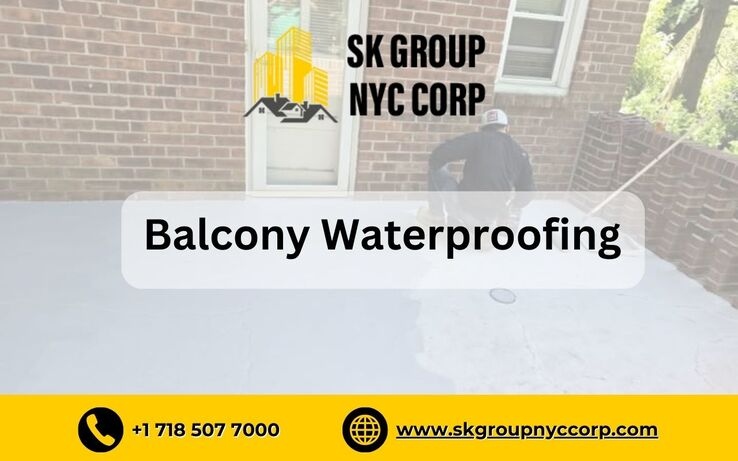
A balcony is more than just an architectural feature; in a city like New York, it is a sanctuary. However, without the right balcony waterproofing, that sanctuary can quickly become a structural liability. In 2026, building owners face stricter regulations and more extreme weather patterns, making the choice of material one of the most critical maintenance decisions you will make.
Whether you are managing a high-rise in Manhattan or a brownstone in Brooklyn, working with a professional provider of waterproofing services in NYC ensures your outdoor space remains bone-dry for decades.
Why You Must Waterproof Your Balcony
Neglecting balcony waterproofing is not just an aesthetic mistake it is a dangerous one. Balconies are exposed to the full brunt of environmental stress: rain, UV radiation, and, crucially for the Northeast, relentless freeze-thaw cycles.
1. Preventing Structural Failure
For concrete balconies, water is the enemy of the internal steel reinforcement (rebar). When water penetrates concrete, it causes the rebar to rust and expand, a process known as “concrete cancer.” This weakens the entire slab. To prevent this, specialized NYC waterproofing services utilize high-build membranes that seal even the microscopic pores in the concrete.
2. NYC Local Law 11 (FISP) Compliance
If you are in New York City, waterproofing is a legal necessity. Under the Facade Inspection Safety Program (FISP), also known as Local Law 11, buildings over six stories must undergo a critical examination every five years. Qualified Exterior Wall Inspectors (QEWIs) specifically look for signs of water infiltration, such as efflorescence or cracks. An un-waterproofed balcony can lead to an “Unsafe” or “SWARMP” status, resulting in massive fines and mandatory, expensive repairs.
3. Avoiding Interior Water Damage
Water rarely stays on the balcony. It follows gravity into the building’s envelope, leading to mold in the units below, peeling interior paint, and damage to electrical systems. In multi-unit NYC co-ops, a single leaking balcony can lead to complicated legal and insurance disputes between neighbors.
Choosing the Right Material for Your Substrate
The “best” material depends entirely on what your balcony is made of and where it is located. Here is a breakdown of the most effective options available in 2026.
Material Comparison Table
| Material Type | Main Benefits | Best For |
|---|---|---|
| Polyurethane Liquid Membrane | Seamless, highly flexible (500% elongation), UV resistant. | Exposed concrete balconies, high-traffic NYC high-rises. |
| Sheet Membranes (PVC/EPDM) | Uniform thickness, highly durable, puncture-resistant. | Large, flat commercial terraces or under-paver systems. |
| Self-Adhesive Sheet (e.g., Balconyguard) | Easy to install, eliminates seam errors, works under concrete. | Wood-framed balconies in multi-family apartments. |
| Cementitious Coatings | Excellent bond to masonry, breathable, cost-effective. | Under-tile installations or rigid concrete structures. |
| Clear Polyurethane Membranes | No-demolition repair; preserves the look of existing tile. | Leaking tiled balconies where the tile is still in good shape. |
Regional Spotlight: Waterproofing in NYC vs. Other Regions
The NYC Climate Challenge
New York City presents a “perfect storm” for waterproofing materials. We experience humid summers and freezing winters where temperatures can swing 40 degrees in a single day. This causes building materials to expand and contract violently.
- NYC Recommendation: You must prioritize elongation. Materials like Sika 726 Balcony One Shot are ideal for NYC because they can stretch over minor cracks without tearing during a January deep freeze.
- Chemical Resistance: NYC balconies also face “acid rain” and de-icing salts. Ensure your coating is rated for salt resistance to prevent chemical degradation of the membrane.
Milder Regions (South/West Coast)
In regions like California or Florida, the primary threat is not ice, but relentless UV radiation.
- Regional Recommendation: While flexibility is still important, UV stability is paramount. Standard epoxy coatings will yellow and chalk in the sun. Aliphatic polyurethanes or PMMA (Polymethyl Methacrylate) systems are preferred for their “cool roof” properties and color retention.
Top Product Recommendations for 2026
1. For Concrete Balconies:
Sika 726 Balcony One Shot
This is a professional-grade, multi-component polyurethane coating. It is “one-shot” because it can be applied in a single thick coat (35 mils) without a primer on clean concrete. It integrates slip resistance and is ready for pedestrian traffic quickly, making it a favorite for NYC property managers who need to minimize tenant disruption.
2. For Wood-Framed Decks:
Balconyguard Membrane
Specifically designed for the multi-family market, this 60-mil self-adhesive sheet is the go-to for wood balconies that will be topped with lightweight concrete or tile. It acts as a robust “boot” for the balcony, ensuring that even if the top surface cracks, the wood structure beneath remains dry.
3. For Existing Tile Leaks:
Clear Waterproofing Membrane
Demolishing a tiled balcony in a Manhattan high-rise is a logistical nightmare. Clear membranes offer a “top-coat” solution that bonds to ceramic or porcelain tiles, sealing the grout lines and the tile itself without changing the aesthetic.
3 Professional Tips for a Lasting Install
- Check the Slope: No waterproofing material will last if water “ponds.” Ensure your balcony has a minimum slope of 1/4 inch per foot toward the drain or scupper.
- Flash the Edges: Most leaks occur at the “90-degree” transition where the floor meets the wall. Always use professional-grade metal flashing and waterproofing tape at these junctions.
- Moisture Testing: Never apply a liquid membrane to “damp” concrete. In NYC’s humid climate, use a moisture meter to ensure the substrate has less than 4% moisture content before application.
Final Thoughts
Successful balcony waterproofing is a combination of selecting the right high-performance material and meticulous surface preparation. By choosing a system designed for your specific substrate and climate especially the demanding freeze-thaw cycles of New York you protect your property’s value and ensure the safety of everyone who steps out to enjoy the view.
Ready to secure your building’s exterior? Contact SK Group NYC for expert waterproofing services in NYC and ensure your project meets all 2026 safety standards.
Have Questions? Call Us Now!
+1 (718) 507-7000
We’re here to help quick answers, friendly service, anytime you need!
Contact SK Group NYC
🌐 Website: www.skgroupnyccorp.com
📍 Serving: Manhattan, Brooklyn, Queens, The Bronx, and Staten Island
📍 Address: 87-88 172nd St, Jamaica, New York, NY, United States, New York