Driveways accumulate tire marks and grime, patios develop dark patches, and building exteriors collect dirt from traffic, weather and organic growth. Over time, these deposits can make a property look poorly maintained, even when the underlying materials remain in good condition.
Professional pressure washing services can remove many types of surface buildup, but effective cleaning involves more than directing a powerful stream of water at a dirty surface. The material, the type of contamination, the condition of the surface and the surrounding environment all influence the appropriate method.
Whether you own a home, manage a rental property or maintain a commercial building in New York City, understanding the process helps you make informed decisions. This guide explains what pressure washing includes, what it may cost, how to avoid common problems and what to expect when hiring a professional.
What Are Pressure Washing Services?
Pressure washing services use specialised equipment to apply pressurised water to suitable exterior surfaces. The water helps loosen and remove dirt, grime, traffic residue and certain stains. Depending on the job, the process may also involve compatible cleaning solutions, controlled rinsing or specialised surface-cleaning equipment.
Common applications include concrete driveways, sidewalks, patios, pavers, masonry and selected exterior walls or decking materials.
The terms pressure washing and power washing are often used interchangeably, although power washing commonly refers to equipment that heats the water. Soft washing uses lower pressure and relies more on suitable cleaning solutions to remove certain contaminants from delicate surfaces.
The correct method depends on the job. A concrete driveway may tolerate controlled pressure that would damage deteriorating mortar or a delicate painted finish. Understanding this difference is essential when comparing professional cleaning services.
What Surfaces Can Pressure Washing Services Clean?
Not every exterior material responds to water pressure in the same way. Before cleaning begins, the surface type, existing damage and nature of the buildup should be assessed.
| Surface | Potential cleaning benefits | Important consideration |
|---|---|---|
| Concrete driveways and sidewalks | Removes dirt, traffic residue and some surface stains | Excessive pressure can mark or etch concrete |
| Patios and pavers | Removes suitable grime and organic buildup | Check joint stability and drainage |
| Brick and masonry | Helps remove certain deposits and surface dirt | Weak mortar and aged brick may need gentler methods |
| Siding and exterior walls | Removes suitable surface grime | Excessive pressure can force water behind panels or damage coatings |
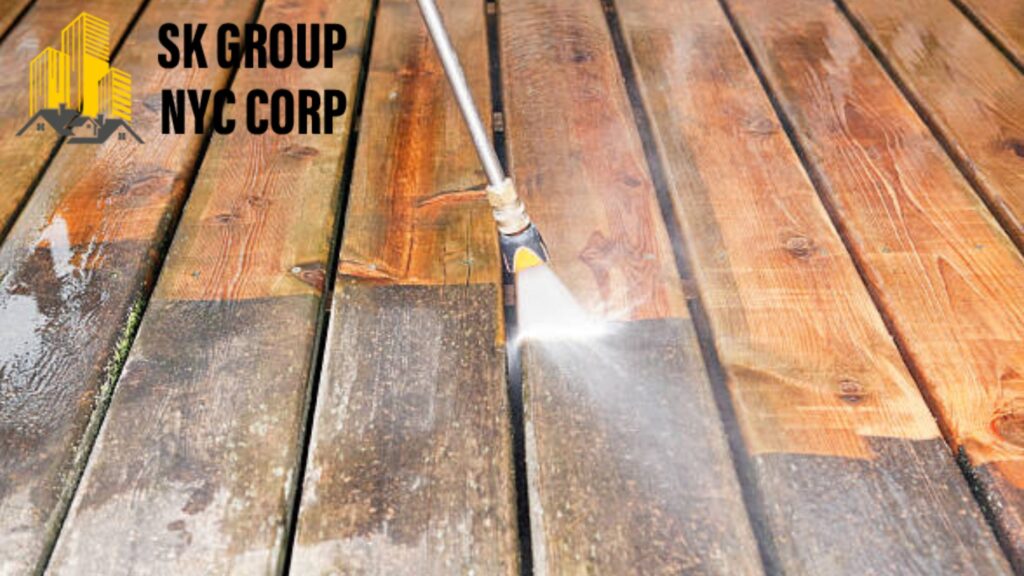
| Wood and composite decking | Cleans suitable surfaces and removes some buildup | Pressure and technique must suit the material |
| Commercial entrances | Removes dirt from high-traffic paved areas | Access, pedestrian safety and runoff require planning |
Why surface condition matters
Consider a driveway with ordinary dirt and tire residue. Controlled pressure washing may be suitable, although deeply embedded oil stains might require pretreatment and may not disappear completely.
Now consider a brick stoop with deteriorating mortar. Aggressive washing could remove loose mortar or damage the brick faces. A contractor should assess the masonry and determine whether lower-pressure cleaning or another method is more appropriate.
These examples demonstrate why the cleaning method should be selected according to the material rather than the power of the equipment alone.
What Are the Benefits of Professional Pressure Washing?
Improves exterior appearance
Removing accumulated dirt and grime can make driveways, patios, sidewalks and other suitable surfaces look cleaner. This can improve the presentation of a property without necessarily requiring the existing surface to be replaced.
Supports property maintenance
Cleaning can reveal cracks, loose pavers, deteriorating coatings and other problems previously concealed by dirt. These findings can help property owners identify areas that need further inspection or repair.
Pressure washing does not repair structural damage, but it can form part of a broader exterior maintenance plan.
Helps address slippery surface buildup
Algae and other organic growth can contribute to slippery conditions on damp, shaded surfaces. Appropriate cleaning can help remove this buildup, although results depend on the contamination and the material.
Growth may return if moisture and shade persist. Improving drainage or addressing recurring dampness may be necessary alongside cleaning.
Makes larger cleaning jobs more manageable
Extensive driveways, commercial paving and outdoor common areas can be time-consuming to clean manually. Professional equipment and suitable techniques can make these jobs more manageable.
The actual time saved depends on the size of the area, the condition of the surface and the method required.
How Much Do Pressure Washing Services Cost in NYC?
The cost of pressure washing services depends on the surface area, material, contamination, accessibility and preparation required. New York City properties can present additional challenges, including restricted access, multiple levels, pedestrian traffic and limited space for equipment.
Published cost guides provide useful budgeting benchmarks, but they are not quotes for your specific property.
For example, Angi’s New York City cost guide, updated in November 2025, lists the following estimates:
| Cleaning project | Published NYC estimate |
|---|---|
| House washing | $262–$527 |
| Driveway washing | $125–$325 |
| Patio washing | $125–$250 |
| Deck washing | $125–$325 |
These are third-party estimates for particular project types, not guaranteed prices or rates offered by SK Group NYC Corp. Actual costs can fall outside these ranges depending on the property and scope of work.
What determines the final price?
- Surface area: Larger areas generally require more labour and resources.
- Material: Concrete, brick, wood and delicate finishes require different cleaning approaches.
- Stain severity: Heavy buildup and embedded stains may need additional treatment.
- Accessibility: Restricted spaces, elevated areas and difficult layouts can increase labour requirements.
- Preparation: Moving obstacles, protecting surrounding property and managing runoff may add time.
- Scope of work: Cleaning a driveway alone differs from cleaning the driveway, steps, patio and surrounding walkways.
How to compare pressure washing quotes
Ask each provider to specify the surfaces included, proposed cleaning method, stain treatments, preparation work and exclusions.
For example, one contractor might quote for a driveway only, while another includes the driveway, front steps and walkway. The lower total does not necessarily represent better value because the scope differs.
When requesting estimates, provide approximate dimensions, photographs and details about difficult stains or damaged areas. An on-site assessment may be necessary for complex jobs.
A useful quote should explain what will be cleaned, what additional treatments may cost and which results cannot reasonably be guaranteed. This makes it easier to compare providers on the same basis rather than choosing solely by price.
What to Expect During a Professional Pressure Washing Appointment
Understanding the typical process helps you prepare your property and know what to discuss with the contractor.
1. Inspection and assessment
The contractor identifies the material, checks its condition and examines the type of buildup. Cracks, loose joints, deteriorating mortar and damaged coatings may affect whether pressure washing is suitable.
2. Preparation and protection
Furniture and obstacles may need to be moved. Doors, windows, electrical fixtures, nearby plants and vulnerable finishes should be considered before cleaning begins.
Water runoff also requires attention, particularly when detergents or contaminated wash water are involved.
3. Selecting the cleaning method
The contractor determines the appropriate pressure, spray pattern, distance and cleaning solution, if needed. Some surfaces are better suited to lower-pressure methods than conventional pressure washing.
4. Cleaning and rinsing
The agreed surfaces are cleaned using the selected approach. Stubborn stains may need additional treatment, and not every stain will disappear completely.
5. Final inspection
The contractor reviews the results and discusses any remaining stains or visible surface concerns. The final appearance depends on the material, the depth of contamination and the condition of the surface before cleaning.
Before booking, confirm which areas are included and whether stain treatment, furniture moving or other additional work will incur extra charges.
Is Pressure Washing Safe for Every Surface?
No. Excessive pressure or an unsuitable cleaning method can damage exterior materials.
Common risks include etching concrete, removing paint or protective coatings, splintering wood fibres, damaging weak mortar and forcing water behind siding or into building openings.
Roof cleaning requires particular care because high-pressure washing can damage some roofing materials. The manufacturer’s recommendations and the condition of the roof should guide the cleaning method.
Pressure washers also present injury risks because their concentrated spray can cause serious wounds. Operators should follow equipment safety instructions and use appropriate protective measures.
For homeowners, the practical lesson is simple: higher pressure does not automatically produce better results. The method must suit the material and its condition.
How Often Should You Schedule Pressure Washing?
There is no universal cleaning schedule for every property.
A shaded walkway that remains damp may develop organic growth more quickly than a sunny, well-drained driveway. Commercial entrances exposed to heavy foot traffic may accumulate dirt faster than a lightly used residential patio.
Inspect exterior surfaces periodically and arrange cleaning when buildup becomes noticeable or maintenance needs justify it. Follow material-specific recommendations, and investigate persistent moisture or drainage problems if the same contamination repeatedly returns.
Cleaning frequency should reflect actual conditions rather than an arbitrary annual schedule.
How to Choose a Reliable Pressure Washing Company
The right contractor should understand both the equipment and the surfaces being cleaned.
Before hiring, ask:
- Does the company have experience with your specific surface?
- Can it explain why the proposed cleaning method is appropriate?
- Does the quotation clearly define the work?
- Are relevant insurance and safety arrangements in place?
- How will nearby property, plants and runoff be protected?
- What results are realistic for old or deeply embedded stains?
A reliable provider should explain the limitations of the proposed service rather than guarantee that every stain will disappear.
For residential and commercial property owners in New York City, SK Group NYC Corp provides power washing services in NYC for exterior surfaces including driveways, sidewalks, brick, concrete, patios, decks and building facades. Its published service information describes assessing surface condition and choosing a suitable cleaning method rather than applying the same approach to every material.
Frequently Asked Questions
What do pressure washing services include?
They commonly include cleaning suitable exterior surfaces such as concrete, driveways, sidewalks, patios, masonry and selected siding or decking. The exact scope depends on the provider and the surfaces listed in the quotation.
How much do pressure washing services cost in NYC?
Published estimates vary by project. One NYC cost guide lists house washing at $262–$527 and driveway washing at $125–$325. These figures are budgeting references, not quotes for a specific property.
What is the difference between pressure washing and power washing?
Pressure washing generally uses pressurised water, while power washing commonly refers to equipment that heats the water. Terminology varies between providers, so confirm which method is being offered.
Can pressure washing damage concrete or siding?
Yes. Excessive pressure or an unsuitable technique can damage concrete finishes, siding, paint and other materials. The cleaning method must be matched to the surface and its condition.
What should I do before the contractor arrives?
Move portable furniture and personal belongings away from the work area, secure pets, and identify delicate plants or vulnerable fixtures. Ask the contractor whether you need to clear access, close windows or make any other preparations.
Will pressure washing remove every stain?
No. Some oil, rust, paint and deeply embedded stains may require specialised treatment, and some discoloration may remain. A reputable contractor should explain realistic expectations before work begins.
Final Thoughts
Pressure washing services can help maintain the appearance of driveways, patios, sidewalks, masonry and other suitable exterior surfaces. Good results depend on assessing the material, selecting an appropriate cleaning method and understanding the limits of stain removal.
Before hiring a contractor, compare quotations based on the same scope of work, ask how the surface will be protected and confirm which areas are included. Published price estimates can help with initial budgeting, but a property-specific quotation remains the most reliable basis for planning.
The goal is not simply to make an exterior surface look cleaner. It is to clean it appropriately, avoid unnecessary damage and make informed decisions about ongoing property maintenance.
Have Questions? Call Us Now!
+1 (718) 507-7000
We’re here to help quick answers, friendly service, anytime you need!
Contact SK Group NYC
🌐 Website: www.skgroupnyccorp.com
📍 Serving: Manhattan, Brooklyn, Queens, The Bronx, and Staten Island
📍 Address: 87-88 172nd St, Jamaica, New York, NY, United States, New York